How to Clean Amana Dishwasher: Easy Steps
Is your Amana dishwasher leaving dishes streaky, smelling musty, or draining poorly? You are not alone. Over time, food debris, grease, hard water minerals, and biofilm build up inside the machine, especially in the filter, spray arms, and drain system. Left unchecked, this grime reduces cleaning power, causes odors, and can shorten your appliance lifespan.
The good news: cleaning your Amana dishwasher is simple, affordable, and takes less than 30 minutes. With just a few household items or a single affresh tablet, you can restore like-new performance. This guide walks you through every step, from removing stubborn filters to eliminating persistent odors.
Clean the Interior Monthly
A deep interior clean removes grease, limescale, and hidden grime that regular cycles miss. Doing this every 30 days keeps your dishwasher performing at its best.
Use affresh Dishwasher Cleaner
Amana recommends affresh for monthly deep cleaning. It is specially formulated to dissolve buildup in hard-to-reach areas like the pump, valves, and recirculation hoses.
Place one affresh tablet in the empty dishwasher on the bottom rack. Close the door and run a full cycle using the hottest water setting. Select no heat dry or air dry to maximize cleaning effectiveness. For severe buildup, repeat the treatment.
Pro Tip: affresh is safer than vinegar for regular use. It will not degrade rubber seals or stainless steel over time. Find it at Home Depot, Lowes, Amazon, or affresh.com.
Try White Vinegar for Deep Cleaning
If you prefer a natural option, white vinegar effectively dissolves mineral deposits and cuts grease.
Pour 1 to 2 cups of white vinegar into a dishwasher-safe bowl. Place the bowl on the bottom rack. Run a complete hot water cycle. Do not add detergent. Vinegar works best alone.
Warning: Limit vinegar use to once every 1 to 2 months. Its acidity can damage internal components with frequent application.
Neutralize Odors with Baking Soda
After a vinegar or affresh cycle, follow up with baking soda to eliminate lingering smells and brighten the interior.
Sprinkle one-half cup of baking soda across the bottom of the tub. Run a short hot water cycle. Use this treatment every 1 to 2 months for a fresh-smelling dishwasher.
Never mix vinegar and baking soda in the same cycle. They react, foam, and cancel each other out.
Remove and Clean the Filter

The filter traps food particles and prevents clogs. A clogged filter causes poor drainage, bad odors, and dirty dishes. Clean it every 2 to 4 months.
Locate the Filter Assembly
The filter sits at the bottom of the tub, under the lower spray arm. On models like ADB1600AWS1 and ADB1400AGS1, it consists of two parts: an upper filter that is circular with a handle, and a lower filter that is flat and slides under tabs.
Note: If you cannot find the filter, check inside the door for your model number. Some older units may have non-standard layouts.
Remove the Upper Filter
Turn the upper filter one-quarter turn counter-clockwise. Lift it straight up and out.
Troubleshooting: If it will not turn, do not force it. Check for lodged food debris, calcium buildup, or incorrect turning direction. Soak the filter in warm water to loosen grime before reattempting removal.
Clean and Reinstall Both Filters
Rinse both filters under warm running water. Use a soft brush like an old toothbrush to scrub away stuck-on gunk. Avoid abrasive pads or harsh chemicals. They can damage plastic.
To reinstall, slide the lower filter back under the retaining tabs. Insert the upper filter, then turn it clockwise until it locks securely.
Visual Cue: When properly installed, the upper filter should sit flush and not wiggle.
Inspect and Clean Spray Arms
Clogged spray arms lead to poor water coverage and spotty dishes. Clean them every 3 to 6 months.
Remove Spray Arms If Possible
Some Amana models allow full removal. Others only permit partial disassembly.
For removable arms, gently pull upward or unscrew the center cap. If stuck, do not force. Check for a retaining screw or locking mechanism.
Customer Insight: One user struggled to remove spray arms until a technician confirmed they were not fully detachable on their model. Always verify your specific design.
Clear Clogged Nozzles
Even if you cannot remove the arm, you can still clean the spray holes.
Use a toothpick, paperclip, or small brush to unclog each nozzle. Avoid metal tools that could scratch or deform plastic openings. Rinse the arm under running water to flush out debris.
Pro Tip: Hold the spray arm under a faucet to test water flow after cleaning. Good pressure means it is clear.
Wipe the Door Seal and Exterior
A dirty gasket causes leaks, odors, and mold. Keep it clean for optimal sealing and hygiene.
Clean the Door Gasket
Inspect the rubber seal around the door for food particles, mildew, and cracks or warping. Wipe it down with a damp cloth and mild soap. Dry thoroughly to prevent moisture buildup.
Warning: Mold in the seal often causes persistent musty smells. Clean monthly to avoid this issue.
Maintain the Exterior
Keep the outside of your dishwasher looking new with proper care.
Wipe the control panel and handle with a damp cloth. Avoid excess moisture near electronics. For stainless steel finishes, use a stainless steel cleaner and wipe with the grain to prevent scratches.
Avoid: Abrasive sponges, ammonia-based cleaners, or bleach. They can damage surfaces.
Fix Common Cleaning Problems

Even with regular maintenance, issues arise. Here is how to solve the most frequent Amana dishwasher cleaning challenges.
Filter Will Not Turn
The cause is usually debris jam or incorrect rotation direction.
Confirm you are turning counter-clockwise to remove and clockwise to install. Remove any visible obstructions like rice, pasta, or bones. Soak the area in warm water to loosen mineral deposits. Use a flashlight to inspect under the filter base.
User Experience: A 6.5-year-old ADB1400AGS1 owner finally freed a stuck filter after checking rotational direction and clearing a tiny bone fragment.
Spray Arms Will Not Come Off
The cause is design limits or an internal screw.
Look for a central screw under the spray arm cap. Use a screwdriver to remove it before pulling the arm free. If no screw exists, your model may only allow nozzle cleaning. Do not force removal.
Expert Advice: Search YouTube for Amana dishwasher spray arm removal and filter by your model number for visual guidance.
Persistent Odors After Cleaning
The cause is biofilm in the drain hose or garbage disposal connection.
Run an affresh or vinegar cycle. Clean the filter and seal thoroughly. Flush the drain line by running the garbage disposal, then pouring one-quarter cup baking soda plus 1 cup vinegar down the drain, waiting 15 minutes, and flushing with hot water.
Prevention: Leave the door slightly ajar after cycles to dry out moisture and inhibit mold.
Manage Hard Water Buildup
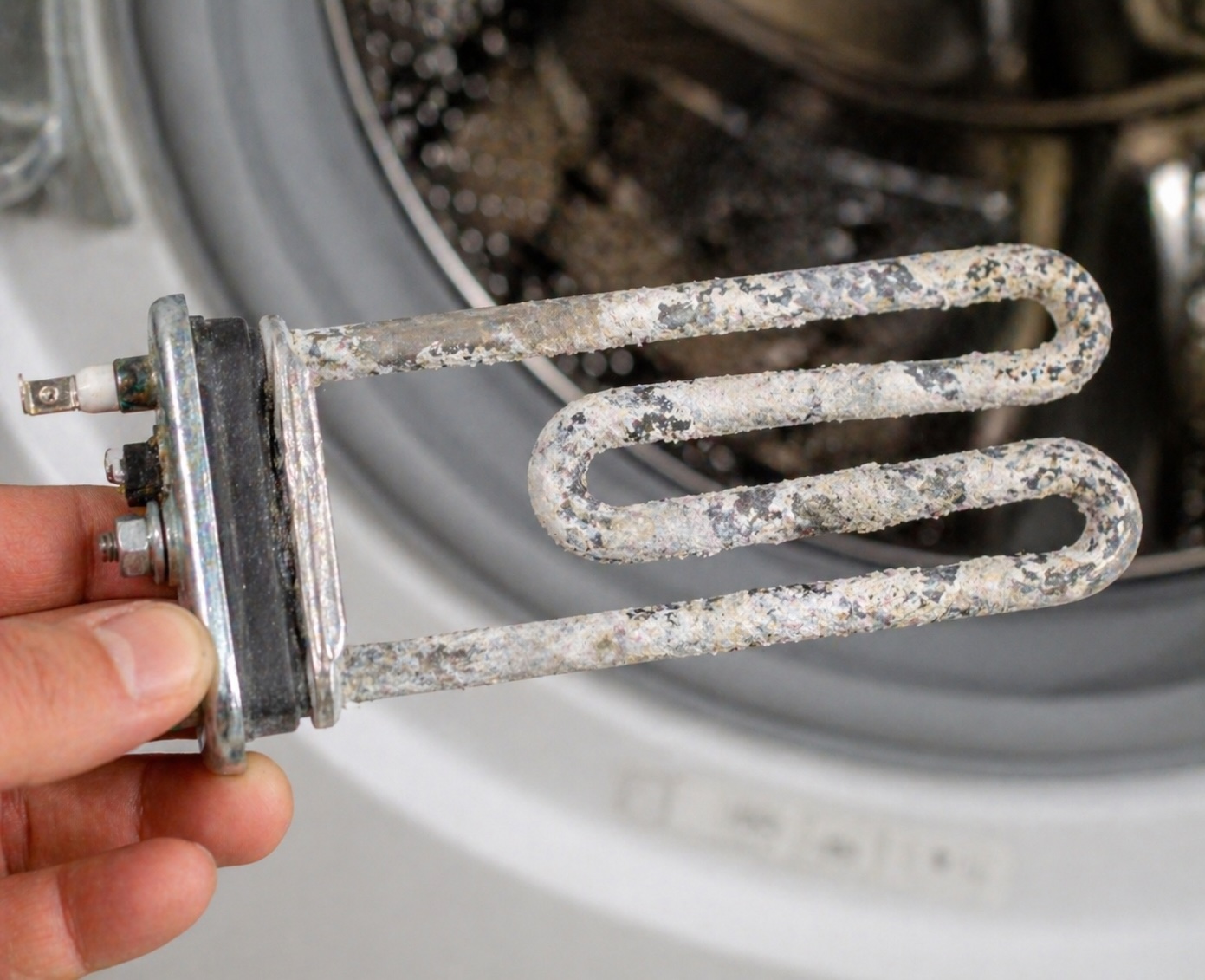
Hard water causes scale, spotting, and clogs. It is one of the top reasons dishwashers fail prematurely.
Install a Water Softener
Amana strongly recommends a whole-house water softener if you have hard water exceeding 15 grains per gallon.
Benefits include preventing limescale in spray arms and filters, improving cleaning performance, and extending appliance life.
Note: Even with a softener, continue monthly interior cleaning. Some residue still accumulates.
Remove Existing Mineral Deposits
For visible white crust on spray arms or the tub floor, run a vinegar cycle using 1 to 2 cups in a bowl on the bottom rack. Follow with an affresh tablet to clean internal components. Use a soft brush to gently scrub scale from nozzles.
Avoid: Steel wool or descaling acids. They can damage plastic and metal parts.
Follow a Maintenance Schedule
Consistent care prevents problems before they start. Stick to this simple checklist.
Run affresh or vinegar cycle every 30 days. Clean the filter every 2 to 4 months using a soft brush and warm water. Clean spray arm nozzles every 3 to 6 months using a toothpick or paperclip. Wipe the door seal monthly with a damp cloth and mild soap. Run a baking soda cycle every 1 to 2 months. Clean the exterior as needed with appropriate cleaners.
Pro Tip: Set a phone reminder to clean your dishwasher on the same day each month. It takes less time than unloading the machine.
Optimize Dishwasher Performance
Cleaning is only half the battle. Improve results with these expert-backed habits.
Scrape, Do Not Rinse Dishes
Amana dishwashers are designed to handle food residue. Pre-rinsing wastes water and reduces enzyme detergent effectiveness.
Do scrape off large chunks like bones, peels, and grease. Do not rinse dishes under running water.
Avoid Overloading
Crowded racks block water and detergent from reaching all surfaces.
Leave space between items. Angle bowls and plates to face spray arms. Do not block the detergent dispenser.
Use Quality Detergent and Rinse Aid
Choose detergents formulated for your water type. Hard water requires detergents with water softeners like Cascade Platinum. Soft water works fine with standard detergents.
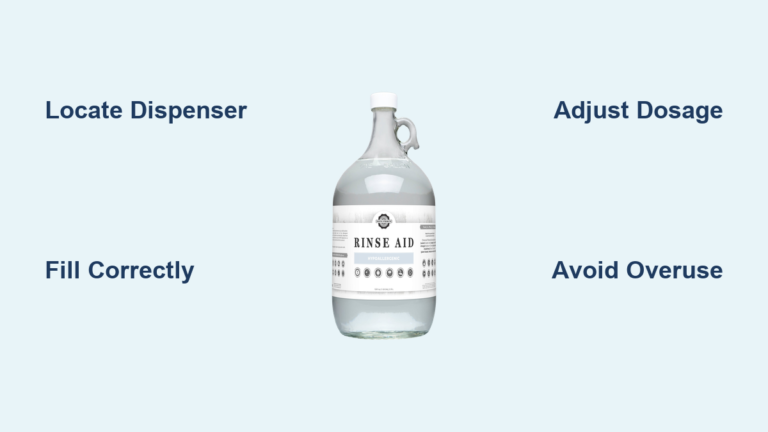
Always use rinse aid. It prevents spotting and improves drying.
Leave Door Ajar After Use
Let moisture escape by cracking the door open after each cycle.
This simple step prevents mold in the seal, reduces odors, and speeds drying.
Find Parts and Manuals
Need replacements or model-specific help? Here is where to look.
Get Your Model Number
It is usually on a sticker inside the dishwasher door, on the side of the tub, or on the top edge of the door frame.
Examples include ADB1600AWS1, W10261433A, and ADB1400AGS1.
Order Replacement Parts
Filters, spray arms, and seals are available from authorized suppliers like H and K Parts for guaranteed compatibility. affresh cleaner is available at major retailers or affresh.com.
Download User Manuals
Visit the official Amana support website to view installation guides, access troubleshooting tips, and watch video tutorials.
Note: Design varies across models. Always confirm your unit specs before disassembly.
Key Takeaways for Maintaining Your Amana Dishwasher
Regular cleaning keeps your Amana dishwasher running efficiently, extends its life, and ensures spotless dishes. Focus on three core areas: the filter, the spray arms, and monthly deep cleans using affresh or vinegar. Address hard water early by installing a softener if needed. Wipe the seal monthly and never ignore strange odors, as they often signal mold or biofilm buildup. With just a few minutes of maintenance each month, you will avoid costly repairs and enjoy peak performance for years.
Frequently Asked Questions About Cleaning an Amana Dishwasher
How often should I clean my Amana dishwasher?
You should perform a deep interior clean every 30 days using affresh or vinegar. The filter needs cleaning every 2 to 4 months, and spray arms should be cleared every 3 to 6 months.
Can I use vinegar to clean my Amana dishwasher?
Yes, white vinegar works for deep cleaning. Pour 1 to 2 cups in a bowl on the bottom rack and run a hot cycle. Use it sparingly, no more than once every 1 to 2 months, because its acidity can damage rubber seals over time.
Why does my Amana dishwasher still smell after cleaning?
Persistent odors usually mean biofilm is hiding in the drain hose or garbage disposal connection. Run an affresh cycle, clean the filter thoroughly, and flush the drain line with baking soda and vinegar.
Where is the filter located on my Amana dishwasher?
The filter is at the bottom of the tub, directly under the lower spray arm. It consists of an upper circular filter with a handle and a lower flat filter that slides under tabs.
What should I do if the filter will not turn?
Do not force it. Check that you are turning counter-clockwise to remove. Clear any lodged food debris or soak the area in warm water to loosen calcium deposits. A tiny obstruction is often the culprit.