How to Wash Tennis Shoes in Dishwasher Safely
You’ve worn your tennis shoes hard—grass stains, sidewalk scuff marks, and that stubborn dirt around the soles won’t budge no matter how much you scrub. You’ve heard the hack: toss them in the dishwasher. It sounds wild, but thousands have tried it with surprising success. So, can you really clean tennis shoes in the dishwasher? The short answer: yes, but only under specific conditions. This guide walks you through exactly how to do it safely, what shoes qualify, and the risks you must avoid.
Whether you’re reviving white sneakers or tackling post-game grime, we’ll show you how to get spotless results without melting your shoes or breaking your dishwasher. You’ll learn proper prep, loading techniques, cycle selection, and drying methods that actually work. Let’s get your dirty kicks looking brand new.
Prep Shoes Before Dishwasher
Before you even open the dishwasher door, proper preparation is crucial. Skipping this step increases the risk of damage to both your shoes and the appliance. A few minutes of prep now saves you from costly mistakes later.
Remove Laces and Insoles
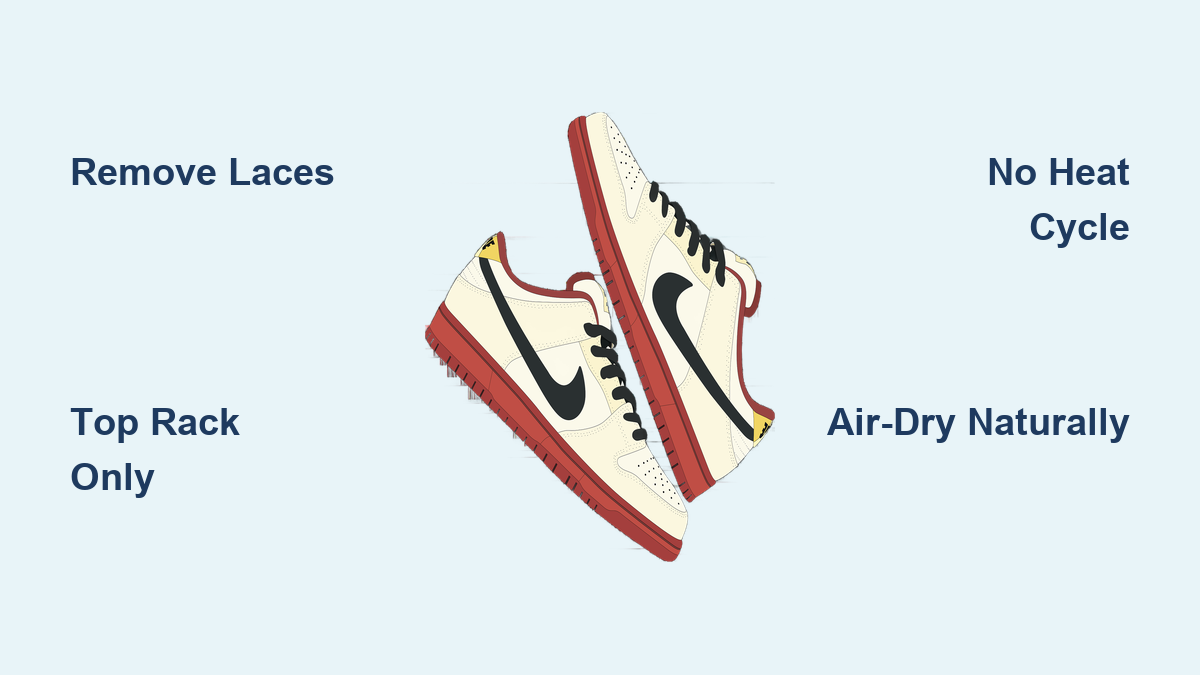
Take out the laces and insoles before loading. Laces can tangle in the spray arms or get caught in the dishwasher’s mechanism. Toss them in a mesh laundry bag to protect them during the wash. Insoles absorb sweat and odor, so washing them separately ensures deeper cleaning. Hand wash insoles with mild soap and air dry. Never put them in the dishwasher.
Knock Off Loose Dirt
Tap your shoes together outside to dislodge mud, pebbles, or grass clippings. Built-up debris can clog the dishwasher’s filter or drain. A quick brush with a soft-bristled shoe brush helps too, especially along the outsole and midsole ridges where dirt hides. This step prevents the dishwasher from spreading grime around rather than removing it.
Pretreat Stains Early
For visible scuffs or stains, spray a small amount of mild detergent or sneaker cleaner on a cloth and gently scrub. Focus on high-wear areas like the toe box and heel collar. This step boosts cleaning power and prevents the dishwasher from spreading grime. Light scrubbing before loading makes a noticeable difference in the final results.
Load Shoes Correctly
:max_bytes(150000):strip_icc():focal(2401x2230:2403x2232)/bhg-top-rack-dishwasher-hero_8faResZ1qVh9oYjfODHb9i-b4674a9776174d3985a76507b82b2da4.jpg)
How you place your shoes in the dishwasher matters more than you think. One wrong move and they could block water flow or warp from heat. Proper positioning is the difference between sparkling clean shoes and a melted disaster.
Position on Top Rack Only
Always place shoes face-down on the top rack. The top rack is farther from the heating element and receives less intense water pressure. This reduces the chance of warping rubber soles or damaging glued seams. Never put shoes on the bottom rack. The bottom rack sits too close to the heating element and receives stronger water spray, which can ruin your shoes.
Secure to Prevent Movement
Make sure shoes are stable and won’t tip over during the cycle. If they wobble, wedge them between dishwasher tines or use a rack divider to hold them in place. Unsecured shoes can shift, block the spray arm, or even crack internal components. A stable load protects both your shoes and your dishwasher.
Choose the Right Cycle

Your cycle selection can make or break the outcome. High heat may seem like it cleans better, but it’s the number one cause of damaged sneakers. The right settings strip away dirt without destroying your shoes.
Use Normal Cycle, No Heat
Run a normal wash cycle without the sanitize, steam, or drying function. These features use high temperatures that can melt or warp EVA foam midsoles, weaken adhesives bonding the sole to the upper, and shrink fabric or synthetic mesh. Stick to lukewarm or low-temperature water. If your dishwasher has an eco mode with lower heat, that’s ideal for moderately dirty shoes.
Avoid Bleach and Rinse Aids
Use a standard dishwasher detergent pod or gel. No bleach unless your shoes are pure white and made of bleach-safe materials like rubber or certain synthetics. Bleach can degrade glue and discolor fabrics. Also skip rinse aids. They don’t help shoes and may leave a slippery residue that attracts more dirt afterward.
Dry Shoes Safely After Washing

What happens after the cycle ends is just as important as the wash itself. Improper drying leads to odors, mildew, or permanent warping. The drying process is where many people go wrong, so pay attention here.
Blot Excess Water Immediately
As soon as the cycle finishes, remove the shoes. Gently press a clean towel against the inside and outside to absorb water. Never wring or twist. This can misshape the shoe or tear delicate materials. The goal is gentle absorption, not aggressive handling.
Air-Dry in Sunlight
Place shoes in a sunny, well-ventilated area to dry completely. Sunlight naturally kills odor-causing bacteria and speeds up evaporation. Keep them upright or on their side to maintain shape. Pro tip: stuff the insides with crumpled newspaper or paper towels. They pull moisture from the lining and help the shoe hold its form as it dries.
Never Use Heat to Dry
Avoid dryers, radiators, heaters, or car vents. Rapid, high-heat drying causes sole separation, cracking of synthetic uppers, and permanent curling of the outsole. If you’re in a rush, let them air-dry indoors near a fan, but never apply direct heat. Patience here pays off with shoes that look and feel great.
Know Which Shoes Can Handle It
Not all tennis shoes are dishwasher-safe. Using this method on the wrong type could ruin your favorite pair. Knowing your shoe materials is essential before attempting this cleaning method.
Safe Shoes for Dishwasher
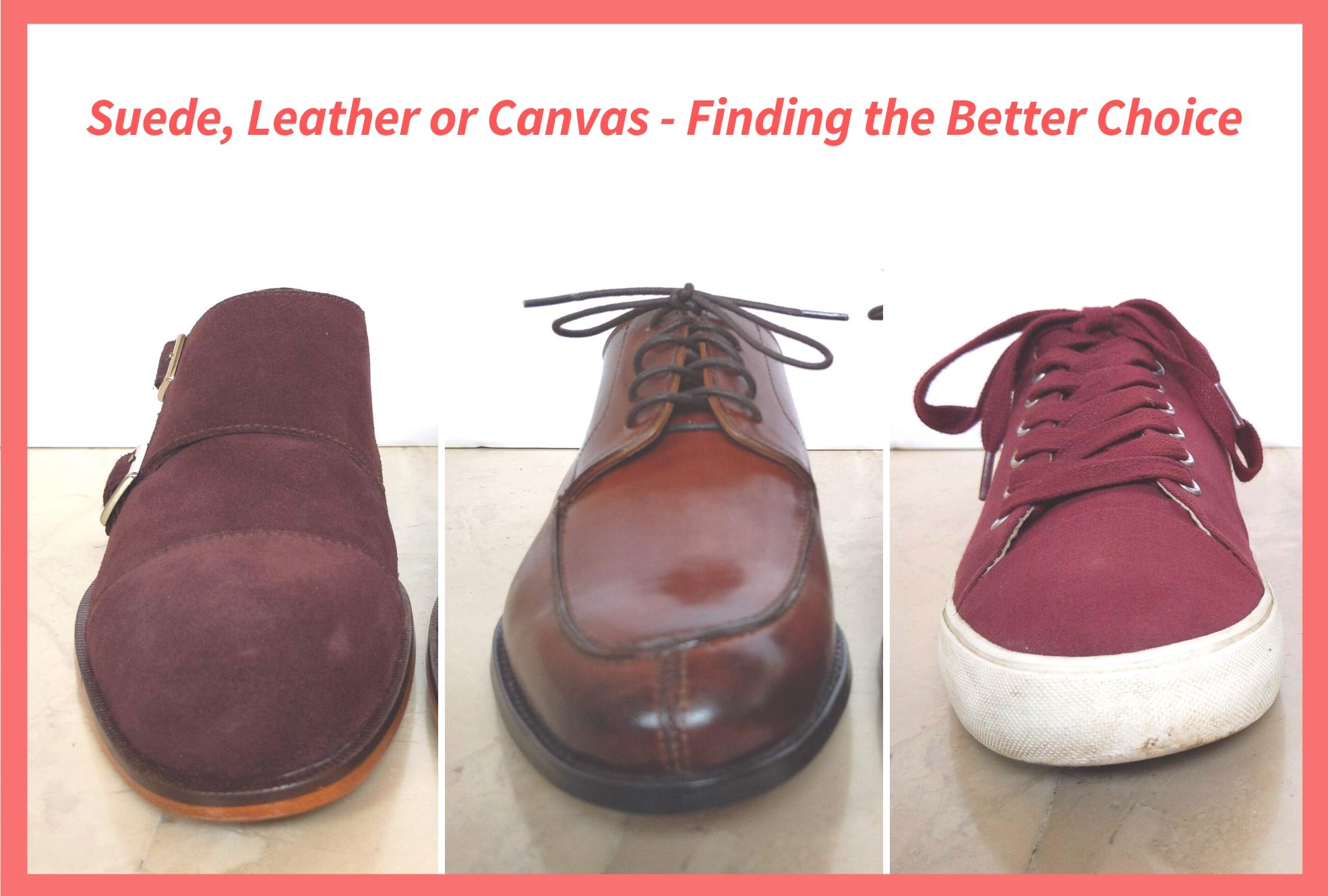
You can safely wash canvas sneakers like Converse or Keds, rubber-soled athletic shoes with strong construction, white synthetic uppers that are colorfast, and non-leather, non-suede models. These materials tolerate moisture and mild agitation better than delicate fabrics. When in doubt, check the label or manufacturer website for material information.
Shoes to Never Dishwash
Avoid the dishwasher entirely if your shoes are leather. Water and heat cause cracking and discoloration. Never wash suede or nubuck either, as it ruins the nap and leaves water stains. Skip glue-bonded soles because heat weakens adhesives and leads to sole detachment. Stay away from smart shoes like Nike Adapt because electronics can short-circuit. Also avoid shoes with embellishments like sequins, logos, or delicate stitching that may break off. When in doubt, hand wash instead.
Real User Results and Feedback
Thousands have tried this method with mixed but often positive results. Understanding what works and what fails helps you avoid common mistakes that others have learned the hard way.
Success Stories
Many users report dramatically whiter soles and cleaner uppers after one cycle. Grass stains, sidewalk marks, and surface dirt vanish without hours of scrubbing. Influencers like Janelle and Kate have shared before-and-after photos showing near-new results on white canvas sneakers. Time-saving is a major perk. The dishwasher does the work while you focus on other tasks, ideal for parents, athletes, or anyone with muddy kids’ shoes.
Common Problems Reported
Some users experienced warping or curling of soles after high-heat cycles. Odors can develop due to trapped moisture, especially if insoles were left in. Laces may become tangled or frayed when not bagged. Unbalanced dishwasher loads with large or heavy shoes cause issues too. Most problems stem from skipping prep or using the wrong settings.
What Experts and Brands Say
No major shoe or appliance manufacturer officially endorses this method. Understanding the official position helps you make an informed decision about whether to proceed.
Manufacturers Warn Against It
Nike, Adidas, and New Balance all recommend hand washing only. Whirlpool, Bosch, and Samsung advise against washing non-dishware items to avoid damage and voided warranties. The dishwasher cleaning method is strictly a DIY life hack, not a certified cleaning process. Proceed at your own risk and understand you’re going against manufacturer recommendations.
When It Might Be Worth the Risk
This method may be worth trying if you have durable, inexpensive sneakers, heavy surface dirt that’s hard to remove, and no washing machine access. The risk might be acceptable for tough, inexpensive shoes that can handle some wear and tear. For expensive or sentimental pairs, stick to hand washing.
Safer Alternatives to Consider
If you’re unsure about the dishwasher, try these proven alternatives. They may take more time but offer greater peace of mind and work on more shoe types.
Hand Wash with Soap and Water
Fill a basin with lukewarm water and mild detergent. Use a soft brush to scrub the exterior, then rinse and air-dry. This method is safest for all shoe types and gives you full control over the cleaning process. It takes more effort but protects your investment.
Washing Machine Method
Place shoes in a mesh laundry bag, use cold water, and select the gentle cycle. Add a couple of towels to balance the load. This works better than the dishwasher for fabric-heavy models and is gentler on most materials. It’s the middle ground between dishwasher convenience and hand washing safety.
Spot Clean with Baking Soda
Mix baking soda and water into a paste. Apply to stains, scrub gently, and wipe clean. This method is great for quick touch-ups without full washing. You can spot-clean specific areas without subjecting the entire shoe to water and agitation.
Step-by-Step Summary
Follow these steps for safe, effective dishwasher cleaning.
- Remove laces and insoles. Wash laces in a mesh bag and clean insoles by hand.
- Knock off loose dirt. Brush or tap shoes to clear debris.
- Pretreat stains. Use mild soap or sneaker cleaner on problem areas.
- Load face-down on top rack. Keep away from heating element.
- Use regular detergent. No bleach or rinse aid.
- Run normal cycle, no heat. Skip sanitize, steam, and dry functions.
- Remove and blot dry. Use towels to absorb moisture.
- Air-dry in sunlight. Stuff with paper and avoid all heat sources.
- Reassemble when fully dry. This takes twelve to twenty-four hours.
Final Tips and Warnings
Do use only on durable, non-leather sneakers. Choose low-temperature, no-heat cycles. Dry completely to prevent mold. Test on one pair first before washing others.
Never wash leather, suede, or smart shoes. Never use high-heat or sanitize settings. Never leave insoles inside during the wash. Never dry near radiators or in dryers.
Frequently Asked Questions About Washing Tennis Shoes in Dishwasher
Can all types of tennis shoes be washed in the dishwasher?
No. Only durable, non-leather, non-suede shoes with rubber soles and colorfast materials should go in the dishwasher. Leather, suede, smart shoes with electronics, and shoes with glued soles should be hand washed or cleaned professionally.
What temperature should the water be when washing tennis shoes?
Use lukewarm or cold water. High temperatures warp EVA foam midsoles, weaken adhesives, and shrink fabric. Avoid any sanitize, steam, or heated drying cycles. The cooler the water, the safer for your shoes.
How long does it take for shoes to dry after dishwasher cleaning?
Air-drying takes twelve to twenty-four hours depending on humidity and material thickness. Stuffing shoes with newspaper or paper towels helps absorb moisture and speeds up drying. Never use heat sources to speed up the process.
Can I leave the insoles in while washing tennis shoes?
No. Remove insoles before loading shoes in the dishwasher. Insoles trap moisture and can develop odors if left in. Wash them separately by hand with mild soap and air dry completely before putting them back.
Why do my shoes smell bad after dishwasher cleaning?
Odor usually comes from incomplete drying or leaving insoles inside during the wash. Make sure to remove shoes promptly after the cycle ends, blot excess water, and air-dry in a sunny, ventilated area. Fully dry shoes before storing them.
Is it safe for the dishwasher to wash shoes in it?
Appliance manufacturers generally advise against washing non-dishware items. While many people successfully wash shoes in dishwashers, there’s a risk of damaging the appliance or voiding your warranty. Use caution and clean the dishwasher filter afterward if needed.
Key Takeaways for Washing Tennis Shoes in Dishwasher
Washing tennis shoes in the dishwasher can work if you play it safe. It’s not for every shoe or every household, but for tough, dirty sneakers made of resilient materials, it’s a fast, effective shortcut. The most important factors are using only durable shoes, selecting low-temperature cycles without heat, and ensuring complete drying afterward.
Remember to always prep shoes by removing laces and insoles first. Load them face-down on the top rack only. Skip bleach and high-heat settings. Air-dry in sunlight with paper stuffed inside to maintain shape. Follow this guide and you’ll keep your kicks fresh without frying them or your appliance.