Is Melamine Dishwasher Safe? What You Need to Know
Melamine dishware is a staple in many homes, cafeterias, and outdoor settings thanks to its lightweight, unbreakable design. Marketed as durable and convenient, melamine often carries a dishwasher-safe label, leading many to assume it can handle any wash cycle. But here is the catch: melamine is only conditionally dishwasher safe, and improper use can lead to chemical leaching, warping, or long-term health risks.
The truth is, while melamine will not shatter like ceramic, it is far more sensitive to heat than most people realize. The U.S. Food and Drug Administration warns that melamine should never be exposed to temperatures above 120°F, yet standard dishwasher cycles especially sanitizing and heated dry modes regularly exceed 150°F. This mismatch creates a hidden danger: when heated, melamine can release harmful chemicals like melamine and formaldehyde into your food.
In this guide, you will learn exactly how to clean melamine safely, recognize when it is damaged, and understand which dishwasher settings are truly compatible. Whether you are using melamine for kids meals, outdoor dining, or commercial service, knowing the limits could protect your health and extend the life of your tableware.
Decode Dishwasher-Safe Labels on Melamine
The term dishwasher-safe on melamine does not mean it can survive every cycle. It means the product can endure low-temperature, top-rack washing only. Many manufacturers use the label loosely, but that does not override the material chemical limits. Even high-end melamine like Stellinox, marketed as 100% dishwasher-proof up to 70°C, operates beyond the FDA safety threshold of 49°C, creating a conflict between durability claims and health guidelines.
Always read the fine print. If your melamine set lacks specific cycle instructions, assume it must be washed gently and air-dried.
FDA vs. Manufacturer Guidelines
There is a critical gap between regulatory advice and product marketing. The FDA advises against microwaving or high-heat dishwasher use. Manufacturers may claim higher heat tolerance based on structural integrity, not chemical safety.
Bottom line: just because a product survives a hot wash does not mean it is safe. The real concern is not breakage. It is invisible chemical leaching.
Safe Dishwasher Practices for Melamine

Following specific guidelines can help you clean melamine without triggering chemical degradation. These practices address placement, cycle selection, and drying methods.
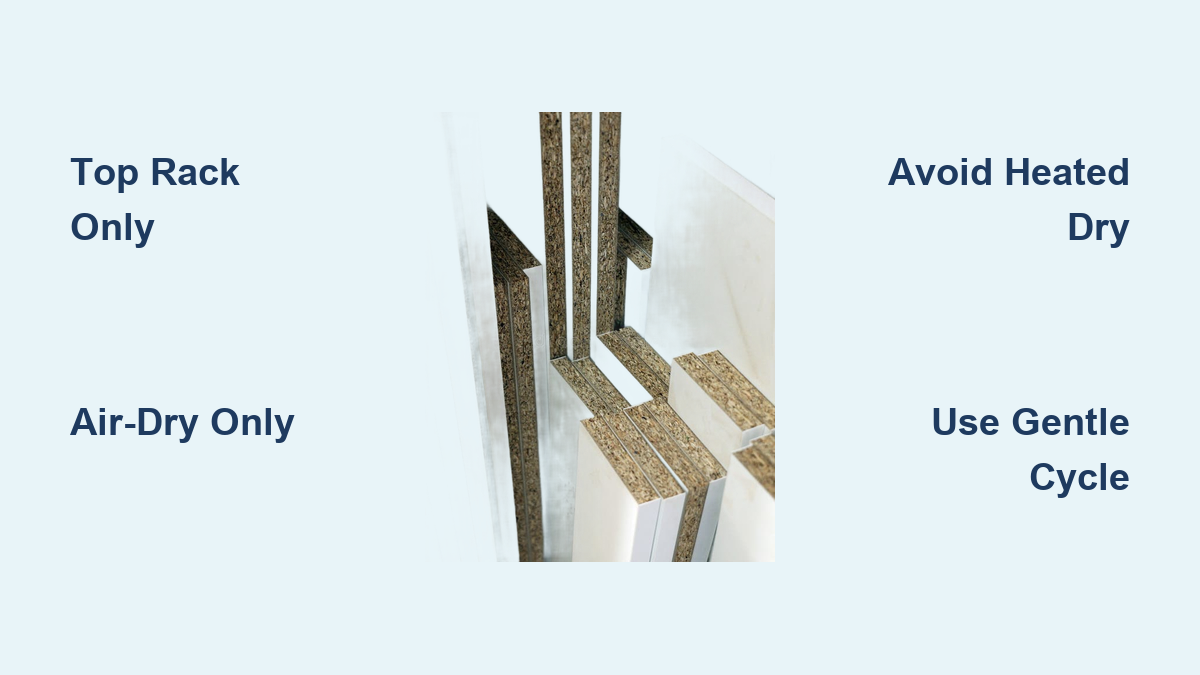
Top Rack Only Placement
Always load melamine on the top rack. The bottom rack is exposed to hotter water spray and sits closer to the dishwasher heating element during drying. Temperature differences between racks can reach 40°F, pushing melamine past its safe threshold.
Pro tip: Angle plates and bowls downward to prevent water pooling and ensure even drying without heat.
Use Gentle Wash Cycles
Only run melamine on these cycles:
• Normal
• Light
• Eco
Avoid these cycles:
• Sanitize (150 to 160°F)
• Heavy-duty
• Pots and pans
These cycles exceed 120°F and accelerate resin breakdown, increasing leaching risk.
Disable Heated Dry Every Time
This is non-negotiable. The heated dry phase reaches 170 to 180°F, far above melamine safe limit. Even one cycle can begin irreversible chemical degradation.
Always select air-dry or energy-saving dry mode. If your dishwasher does not allow this, hand-washing is the safer choice.
Control Water Temperature
Your home water heater setting matters. If it is set above 120°F, incoming water can damage melamine even on gentle cycles. Consider installing a mixing valve or adjusting the heater to protect heat-sensitive dishware.
Choose Mild Detergents
Avoid these products:
• Bleach-based cleaners
• Abrasive scrubbers
• Heavy-duty degreasers
These can scratch the surface, creating micro-fractures that trap bacteria and increase leaching over time. Use standard, non-abrasive dishwasher detergent.
Hand-Washing: The Safest Option
When dishwasher conditions cannot be controlled, hand-washing eliminates all thermal risk and ensures full control over cleaning conditions.
When to Skip the Dishwasher
Hand-washing is strongly recommended if:
• You serve children or infants
• Your dishwasher lacks cycle controls
• You frequently serve acidic or warm foods
Since heat and acidity amplify leaching, minimizing exposure is key for vulnerable users.
Step-by-Step Cleaning Guide
-
Use warm water (no higher than 110°F) that is comfortable to touch.
-
Apply mild dish soap.
-
Clean with a soft sponge. Never use steel wool or scouring pads.
-
For stains, make a baking soda paste (non-abrasive when wet) or soak in a 1:1 mixture of white vinegar and water.
-
Air-dry completely. Do not use towels or heat sources.
This method eliminates thermal risk and extends melamine lifespan.
Recognize Heat Damage Early
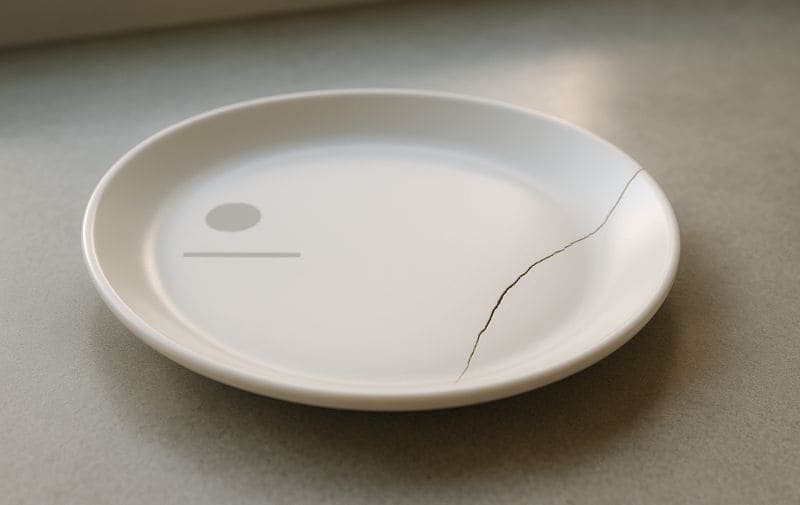
Once damaged, melamine cannot be repaired. Watch for these visible signs of degradation:
• Yellowing or cloudiness
• Warping or distortion
• Fine cracks (crazing)
• Dull or chalky surface
• Chemical odor when rinsed with hot water
These indicate molecular breakdown. Continued use increases leaching risk even if the dish still looks functional.
What to Do with Damaged Melamine
Retire damaged melamine immediately. Do not use it for food service. Discard it in regular trash. Melamine is not recyclable in most municipal programs.
Prevent Chemical Leaching Risks
Melamine resin begins to degrade above 120°F. When heated, especially with acidic foods like tomato sauce or citrus, the bonds break down, releasing melamine (linked to kidney stones) and formaldehyde (a known carcinogen). Leaching is invisible and odorless, so prevention is the only defense.
High-Risk Food Combinations
Never serve these on melamine if warm:
• Tomato-based dishes
• Citrus fruits or juices
• Vinegar-marinated foods
• Hot soups or stews
The combination of heat and acidity dramatically increases chemical migration.
Who Should Avoid Melamine?
Certain groups should avoid melamine entirely due to heightened health risks from exposure.
At-Risk Populations
• Infants and young children: Higher exposure per body weight and developing organs are more vulnerable.
• Pregnant women: Potential developmental risks from chronic exposure.
• People with kidney issues: Reduced ability to process toxins.
For these users, glass or ceramic is a safer alternative.
When to Choose Alternatives
Use glass, ceramic, or food-grade silicone instead when:
• Reheating food
• Serving hot or acidic dishes
• Prioritizing long-term health over convenience
Melamine strength is durability, not thermal safety.
Compare Dishwasher-Safe Materials
Understanding how melamine stacks up against other materials helps you choose the right dishware for your needs.
• Melamine tolerates up to 120°F maximum. It is not microwave safe and cannot handle heated dry. Best for kids and outdoor use.
• Glass tolerates 180°F or higher. It is microwave safe and handles heated dry. Best for all-purpose use.
• Ceramic tolerates 180°F or higher. It is microwave safe and handles heated dry. Best for hot meals.
• Polypropylene tolerates 160°F to 180°F. It is microwave safe and handles heated dry. Best for lightweight reuse.
• Silicone tolerates 220°F or higher. It is microwave safe and handles heated dry. Best for extreme temperatures.
Melamine wins in shatter resistance but loses in heat tolerance. Choose based on your specific use case.
Maximize Longevity and Safety
Proper storage and handling extends the life of your melamine while reducing health risks from wear and damage.
Storage and Handling Tips
• Do not stack heavily. Pressure can cause stress cracks.
• Store in cool, dark places. UV light fades color.
• Never cut on melamine. Knives leave grooves that harbor bacteria.
• Replace items if stained or scratched. Damage increases leaching risk.
Warranty and Manufacturer Claims
Most brands offer limited warranties covering manufacturing defects, not heat damage. APS Germany (Stellinox) claims 100% dishwasher proof but does not guarantee safety against chemical leaching. Keep receipts and follow care instructions to maintain coverage.
Ideal Uses for Melamine
Melamine excels in specific environments where its unique properties provide real advantages.
Best Applications
Melamine shines in these settings:
• Outdoor dining (patios, poolside)
• Children meal sets
• Camping and picnics
• Buffet and catering service
• Cold food presentation (fruit, desserts, appetizers)
Its lightweight, unbreakable nature makes it perfect for high-movement environments.
When to Avoid It
Never use melamine for:
• Microwaving
• Oven or stovetop cooking
• Serving boiling liquids
• Holding hot acidic foods
• Dishwashers with fixed high-heat cycles
Environmental Impact and Disposal
Melamine presents sustainability challenges that environmentally conscious users should consider.
Sustainability Challenges
Melamine is not biodegradable, not widely recyclable, and persistent in landfills. Though reusable, it contributes to long-term plastic waste. Microplastic shedding over time is also a concern.
Eco-Friendly Alternatives
Consider these materials:
• Stainless steel (fully recyclable)
• Glass (inert, infinitely recyclable)
• Ceramic (durable, low environmental impact)
• Bamboo fiber (ensure no melamine binder)
Look for products with transparent material sourcing.
Final Safety Checklist
Follow this checklist every time you clean melamine.
Do:
• Wash on top rack
• Run gentle cycle
• Air-dry only
• Use mild detergent
• Hand-wash for kids
• Replace damaged items
• Serve cold foods
Do not:
• Use bottom rack
• Use sanitize mode
• Enable heated dry
• Use bleach or abrasives
• Assume all safe labels are equal
• Microwave or oven-use melamine
• Heat acidic dishes in melamine
Frequently Asked Questions About Melamine Dishwasher Safety
Can I put melamine in the dishwasher at all?
Yes, but only under specific conditions. Melamine must be placed on the top rack, washed on a gentle cycle, and dried with air dry mode only. Never use sanitize, heavy-duty, or pots-and-pans cycles.
What temperature is safe for melamine in the dishwasher?
Melamine should never exceed 120°F (49°C). Most dishwashers exceed this on standard cycles, which is why careful setting selection is essential.
Does melamine leach chemicals in the dishwasher?
Yes, when exposed to temperatures above 120°F, melamine can leach both melamine and formaldehyde into food. This risk increases with acidic foods and prolonged heat exposure.
Is melamine safe for baby dishes?
No. The FDA advises against using melamine tableware for infants and young children. Their smaller body mass results in greater relative exposure, and developing organs are more vulnerable to toxins.
How do I know if my melamine is damaged?
Look for yellowing, cloudiness, warping, fine cracks, or a dull chalky surface. If you notice a chemical odor when rinsing with hot water, the melamine is degrading and should be discarded.
What is the safest way to clean melamine?
Hand-washing in warm water (up to 110°F) with mild dish soap is the safest method. This eliminates all risk of temperature-related damage and gives you full control over cleaning conditions.
Key Takeaways for Safe Melamine Use

Melamine can be dishwasher safe, but only under tightly controlled conditions. The convenience of tossing it in the dishwasher comes with real risks if high heat is involved. To stay safe, prioritize top-rack washing, disable heated dry, and consider hand-washing for children or frequent use.
Melamine excels in durability and design, but it demands respect for its thermal limits. Reserve it for cold foods, outdoor dining, and situations where shatter resistance matters more than heat exposure. For hot meals and acidic dishes, choose glass, ceramic, or silicone instead.
By following these guidelines, you can enjoy melamine benefits without compromising your health. Inspect your dishes regularly for signs of damage, replace worn items promptly, and always err on the side of caution when heat is involved.