How to Use Dishwasher with Broken Soap Dispenser
A broken dishwasher soap dispenser doesn’t mean you have to stop using your appliance. When the detergent cup fails to open or release cleaning agents during the cycle, dishes come out greasy, spotted, or with food residue still clinging. But thousands of users have found reliable ways to keep their dishwashers running effectively without repair or replacement.
The key is understanding how to deliver detergent at the right time, even when the dispenser won’t do it automatically. Whether you use pods, liquid, or powder, simple workarounds like placing detergent directly in the tub or timing a mid-cycle addition can restore full cleaning power. This guide reveals proven methods from real users, troubleshooting tips, and long-term fixes so you can keep your dishwasher working like new.
Place Dishwasher Pods Directly in the Tub Floor
Putting a dishwasher pod at the bottom of the tub is the most effective and widely used workaround for a broken soap dispenser. This method works because pods dissolve when exposed to hot water during the main wash cycle, so placing one on the tub floor before starting ensures it activates at the right time.
Why This Method Works
Dishwasher pods placed on the tub floor remain intact through any prewash or drain phase and activate when fresh hot water fills the machine. Users confirm this delivers cleaning performance matching or exceeding dispenser use.
• Works with all major brands including Bosch, Whirlpool, GE, and Samsung
• No need to pause or modify the cycle
• Detergent dissolves at the correct moment during the main wash
User Confirmation: “We’ve dropped the pod in the bottom for over a year. Zero difference in results.” — InternetLegend, appliance forum
Best Practices for Tub Floor Placement
Use only one pod since extra detergent can leave residue on dishes. Avoid placing the pod near the drain where water recirculates slowly. Ensure the pod isn’t blocked by large dishes or pans. Start the cycle immediately after loading to prevent moisture exposure.
Pro Tip: If your model drains prewash water, this method is ideal because the pod remains dry until the main wash begins.
Use Quick Wash Cycles to Bypass Dispenser Timing
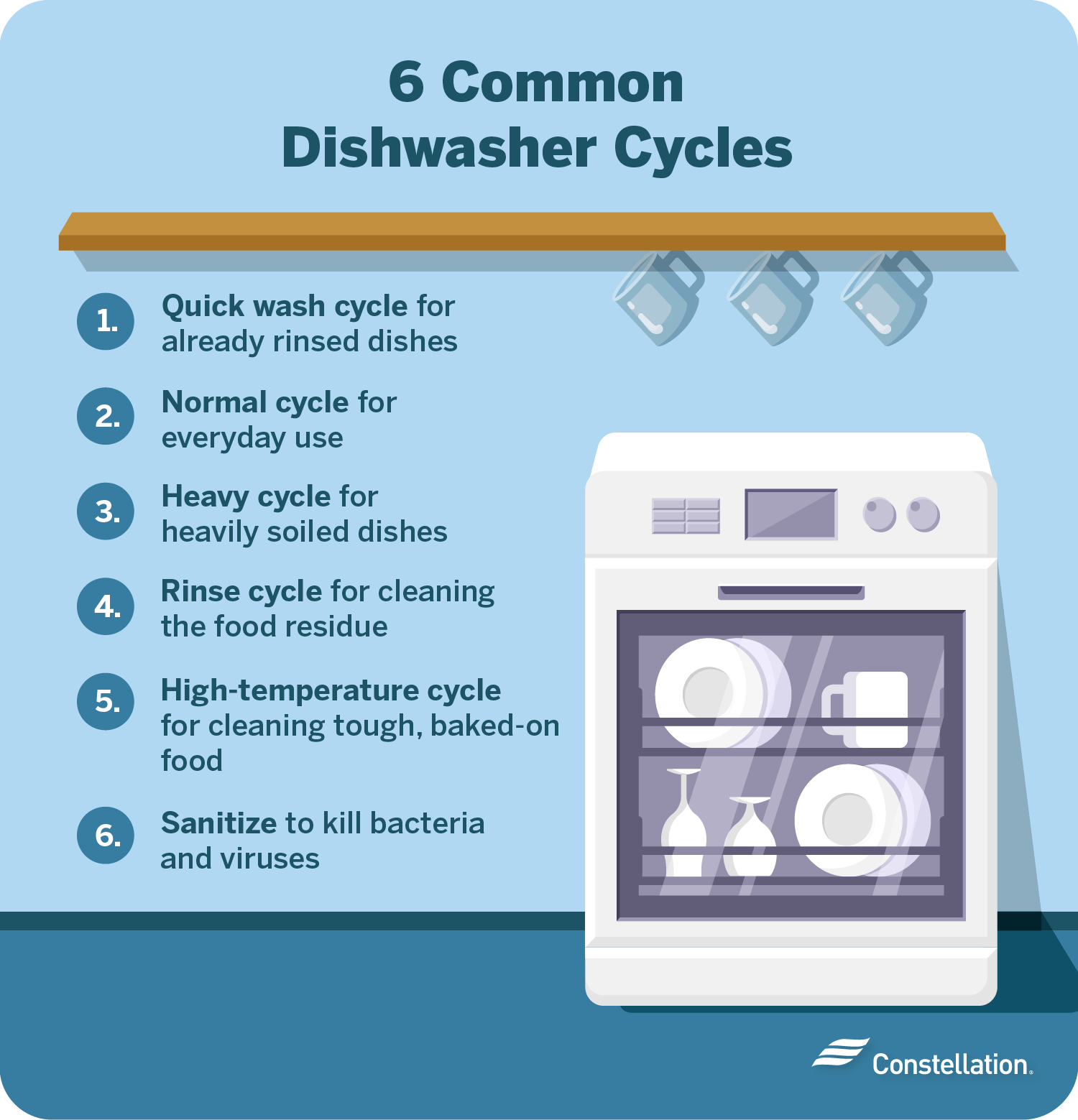
Many dishwashers have a Quick Wash or Express cycle that skips the prewash entirely and begins with hot water and immediate detergent release. This natural workaround avoids the problem of a broken dispenser entirely.
How Quick Wash Solves the Problem
Since the soap cup typically opens at cycle start, manually adding a pod before beginning Quick Wash mimics normal operation. The detergent dissolves at the right time with no risk of early drainage.
• Detergent activates immediately with hot water
• Ideal for lightly soiled daily loads
• Works well when paired with hot water pre-rinse at the sink
Limitations include reduced effectiveness on heavily soiled dishes and higher heat that may damage delicate plastics. This approach works best for glasses, plates, and utensils with light food traces.
Pause the Cycle After Prewash to Add Detergent Manually
For standard cycles with a prewash phase, manually adding detergent after the initial drain restores proper timing and cleaning performance.
Step-by-Step Mid-Cycle Addition
Start the dishwasher as usual, then wait 10 to 16 minutes until the prewash ends. Listen for the draining sound as your cue. Pause the cycle using the control panel, then open the door if your model allows it. Drop a pod or squirt liquid detergent onto the tub floor, close the door, and resume the cycle.
User Routine: “Set a timer for 15 minutes, open the door, toss in the tab. Cleaning is back to normal.” — ParallelLines, DIY forum
Consider these challenges before trying this method. Some newer models, especially Bosch units, have door lock systems that prevent mid-cycle opening. Certain dishwashers restart from the beginning when resumed, losing your progress. This workaround requires being home during the wash, so it works best for those with flexible schedules.
Never Place Pods in the Silverware Basket
Putting a pod in the utensil basket may seem convenient, but it’s one of the worst places for detergent when the dispenser is broken. This method consistently fails to deliver clean dishes.
Why Silverware Basket Placement Fails
Water hits the silverware basket early in the cycle, causing pods to begin dissolving during prewash. The detergent gets washed down the drain before the main wash even starts, resulting in poor cleaning, cloudy dishes, and wasted detergent.
Technical Warning: “Placing a pod in the cutlery caddy leads to premature dissolution and ineffective washing.” — DavidNRockies, appliance technician
Better alternatives include using the tub floor instead or, if using liquid, pouring it into a deep bowl on the bottom rack to delay dispersion. Never rely on top-mounted compartments for timed release.
Try Liquid or Gel Detergent with a Partially Working Dispenser

If the soap cup opens slightly but not fully, liquid or gel detergent can still seep out at the right time during the wash cycle.
How Liquid Detergent Works Around Partial Failure
Thick gel or liquid detergent slowly leaks through a partially opened dispenser door. Unlike pods, it doesn’t need full release to be effective. Fill the empty cup completely and use high-viscosity formulas for better retention.
Tips for success include cleaning the dispenser first to remove gunk from hinges and seals. Test with a short cycle to observe detergent flow. Use half the usual amount to avoid oversudsing.
User Suggestion: “Switched to gel because the door only cracks open. It leaks out just enough to clean.” — Beckdawrek, Reddit thread
DIY Boost: Pre-Dissolve a Pod
For stubborn dispensers, dissolve a pod in half a cup of hot water, then pour the solution into the soap cup. Run the cycle normally. This ensures detergent enters the wash even if mechanical release fails.
Use Powder Detergent as an Alternative
Powder detergent is still available and highly effective when the dispenser won’t open. This option provides a reliable backup to pod-based methods.
Direct Tub Application for Powder
Pour one tablespoon of powder directly on the tub floor, keeping it away from the drain. Add it just before starting the cycle to prevent clumping. Powder dissolves quickly in hot water and is less likely to clog than gel.
User Note: “Powder works great at the bottom. Still sold at Target and Walmart.” — Shoeless, appliance group
Using Powder in a Broken Dispenser
If the cup receives water but won’t open, fill it with powder, close the lid, and let water pressure force it open or dissolve through cracks. This method works best with cycles featuring strong water jets and high heat.
Diagnose Your Soap Dispenser Before Trying Fixes
Many soap dispensers labeled as broken are actually just blocked or dirty. Test before assuming permanent failure to avoid unnecessary workarounds.
Common False Failure Causes
Dishes blocking the dispenser door is the most frequent issue. Large plates or bowls can physically prevent the mechanism from opening. Sticky residue from damp cups causes pods to adhere instead of dropping. Gunked-up tracks with mineral buildup or old detergent block movement entirely.
User Fix: “I had a big plate in front of the dispenser. Moved it and now it works fine.” — RobotArm, troubleshooting forum
How to Test If the Dispenser Actually Works
Run a cycle with no dishes near the dispenser, then check the pod after the cycle. If it’s dry and intact, the cup didn’t open. Listen for a click or pop during the cycle, which signals release. Consult your user manual to confirm detergent release timing.
Manual Insight: “Turns out every cycle includes a pre-rinse. I was adding detergent too early.” — NorthernPiper, model research
Clean or Replace the Dispenser for a Permanent Fix
If workarounds feel temporary, repair is often simple and affordable. A clean or new dispenser restores full functionality without professional help.
Clean the Dispenser Mechanism
Remove the inner door panel using screws at the bottom or sides. Locate the dispenser assembly and soak tracks and hinges in warm vinegar or citric acid. Scrub with a toothbrush to remove gunk, then dry completely before reassembly.
User Result: “Cleaned the grooves and fixed 90% of the problem.” — echoreply, cleaning forum
Replace the Dispenser Assembly
Replacement parts cost $20 to $100 depending on brand, and installation takes 20 to 45 minutes for DIY. Remove the door liner, disconnect the electrical connector if electronic, pop out the old dispenser, install the new one, and reassemble. Many YouTube tutorials exist for Whirlpool, Bosch, and GE models.
Brand-Specific Fixes for Broken Soap Dispensers
Different brands have unique characteristics that affect how you should handle dispenser failures.
Whirlpool Dishwashers
Whirlpool models commonly experience dispenser issues in units 8 to 10 years old. Use the Soak and Clean cycle with manual pod addition. Avoid the utensil basket and place pods on the tub floor only. Dispenser failure often stems from latch spring wear.
Bosch Dishwashers
Bosch units have strong door locks that prevent mid-cycle opening, so Quick Wash may not trigger the dispenser early. Dispenser slots are removable for easy cleaning. Consider direct pod placement as a permanent fix since moisture corrosion causes frequent failures.
Technician Note: “Bosch dispensers often fail due to moisture corrosion. Clean monthly.” — Appliance Repair Tech, Bosch support forum
Get Spotless Dishes Despite a Broken Soap Dispenser
Even with a broken soap cup, you can achieve spotless results by optimizing other factors that affect cleaning performance.
Essential Pre-Cycle Steps
Run hot water from your kitchen faucet for 30 to 60 seconds before starting the dishwasher. This ensures hot water enters immediately so detergent activates faster and grease breaks down more effectively. Just scrape off large food chunks rather than pre-rinsing, since modern detergents need food enzymes to work properly.
Loading Best Practices
Don’t overload the dishwasher. Leave space between items so water and detergent can circulate freely. Blocked spray arms lead to poor cleaning regardless of how you add detergent.
Maintain Your Machine
Use quality detergent like Cascade or Finish, which have better enzymes and film protection especially when manually dosed. Check spray arms regularly and remove debris from holes in both upper and lower arms, since clogs reduce water pressure and cleaning power.
Keep Your Dishwasher Running with a Broken Soap Dispenser
A malfunctioning soap dispenser doesn’t mean your dishwasher is done for. With simple fixes like placing a pod on the tub floor, using Quick Wash, or pausing mid-cycle, you can maintain excellent cleaning results indefinitely.
While cleaning or replacing the dispenser for $20 to $100 is a smart long-term move, many users treat direct pod placement as a permanent upgrade. It’s reliable, easy, and avoids future mechanical failures.
Technician Verdict: “Just drop the pod in the tank. The soap bay fails more often than it works.” — Munch, appliance expert
Don’t panic when the soap cup sticks. Your dishwasher is still good. Skip the middleman and deliver the detergent yourself.
Frequently Asked Questions About Using a Dishwasher with a Broken Soap Dispenser
Can I use my dishwasher if the soap dispenser won’t open?
Yes. You can place detergent pods directly on the tub floor, use Quick Wash cycles, or pause the cycle after prewash to add detergent manually. These methods deliver cleaning performance comparable to a working dispenser.
Will placing a pod at the bottom damage my dishwasher?
No. Placing a pod on the tub floor is safe and works with all major brands. The pod dissolves during the main wash cycle just as it would when released from the dispenser.
How do I know if my soap dispenser is actually broken?
Run a cycle with no dishes blocking the dispenser. After the cycle, check if the pod is hard and undissolved. Listen for a click or pop during the wash. Consult your manual to confirm timing.
Is it safe to open my dishwasher mid-cycle to add detergent?
Most dishwashers have safety locks that prevent mid-cycle opening, especially Bosch models. Check your user manual. If your model allows it, wait until the prewash drains, then pause and add detergent quickly.
How long do dishwasher soap dispensers typically last?
Dispenser mechanisms commonly fail in dishwashers 8 to 10 years old. Latch springs wear out, tracks gunk up with residue, and moisture causes corrosion, especially in Bosch models.
Should I repair or replace a broken soap dispenser?
For dishwashers under 10 years old, replacing the dispenser costs $20 to $100 and takes 20 to 45 minutes for DIY. If your dishwasher is older, direct pod placement works well as a permanent workaround.