How to Fix Samsung Dishwasher Smells
If your Samsung dishwasher smells musty, mildewy, or like sewage, you are not alone. Many users report persistent odors even after regular use. These smells are typically caused by trapped moisture, decomposing food debris, mold growth, or improper drainage. Samsung dishwashers intentionally retain water in the sump to protect the pump, which creates the perfect environment for odor-causing bacteria.
The good news? Most smells are preventable and fixable with proper maintenance and a few key adjustments. In this guide, you will learn exactly why your Samsung dishwasher smells, how to eliminate the odor fast, and what steps to take to keep it fresh long term.
Why Samsung Dishwashers Develop Odors
Samsung dishwashers are designed with sealed systems that retain moisture after cycles, especially if the door is closed immediately after use. This design prevents the drain pump from seizing during extended non-use but intentionally creates a warm, dark, moist environment ideal for mold and mildew growth.
Moisture Trapped by Design
According to appliance technician Tyler Z., Samsung dishwashers retain a small amount of water in the sump after cycles to prevent the drain pump from drying out and seizing. While this extends pump life, it also creates the perfect conditions for musty odors over time. This is a design trade-off, not a defect.
Decomposing Food and Debris Buildup
Even with pre-rinsing, food particles sneak past filters and collect in the sump, spray arms, and crevices. Over time, grease, proteins, and starches break down, feeding bacteria and producing foul smells. If filters are not cleaned regularly, the problem worsens quickly.
Sewage Smell During Operation
If the odor only appears while the dishwasher is running, the culprit is likely drain backflow. Sewage or garbage disposal odors are being siphoned back into the unit due to an incorrect drain hose setup. This is usually a simple installation error that is fixable.
Immediate Fixes for Smelly Dishwasher
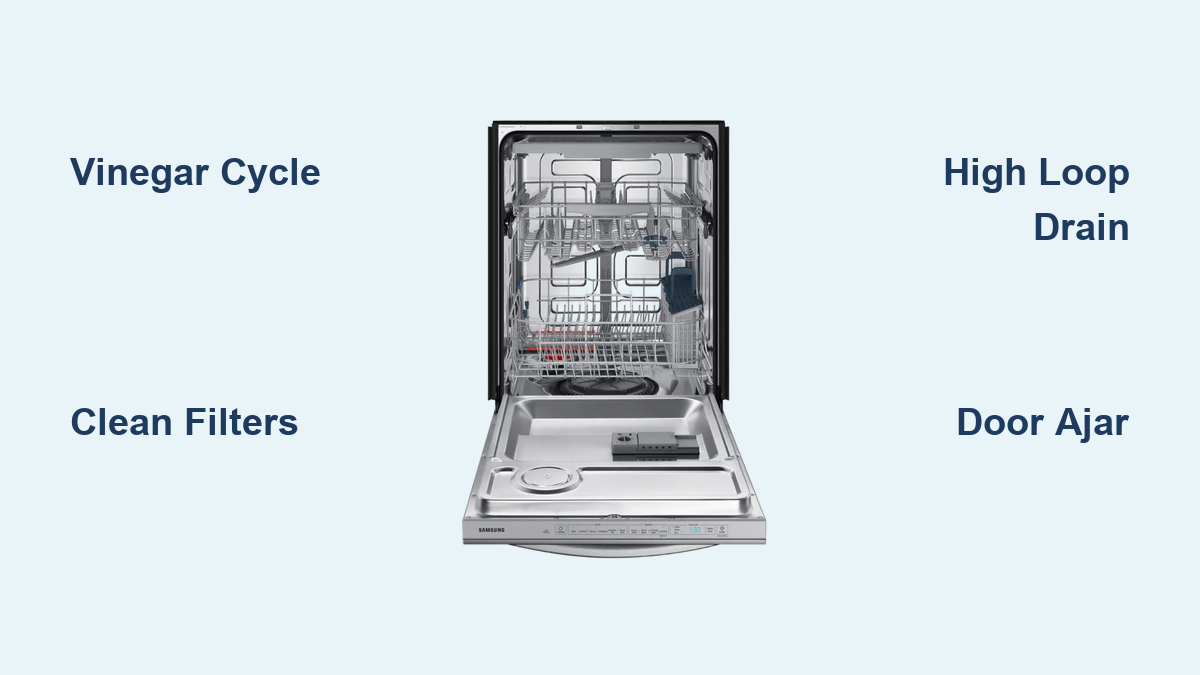
Run a Vinegar Sanitize Cycle
This method works best for deodorizing, killing mildew, and dissolving light mineral deposits.
- Place 8 oz of distilled white vinegar in a dishwasher-safe cup.
- Set the cup upright on the lower rack.
- Select the Sanitize cycle if available.
- Start the cycle and let it complete.
The Sanitize cycle heats water to 163°F during the final rinse, boosting vinegar’s cleaning power and sanitizing interior surfaces. Avoid using bleach as it can damage stainless steel tubs and may void your warranty.
Deep Clean Filters and Nozzles
For stubborn grime and odor sources, remove and soak components overnight.
Remove and Soak Components
Take out filters, nozzles, and spray arms. Soak them overnight in white vinegar. Use a toothbrush to scrub spray holes and filter mesh.
Reassemble Correctly
Reinstall filters in the correct order. Rotate clockwise to lock. Improper reassembly can cause drain errors like 1E or IE codes or lead to overflow issues.
This process takes about 30 minutes of active work plus overnight soak time.
Clean the Drain Pump and Sump Area
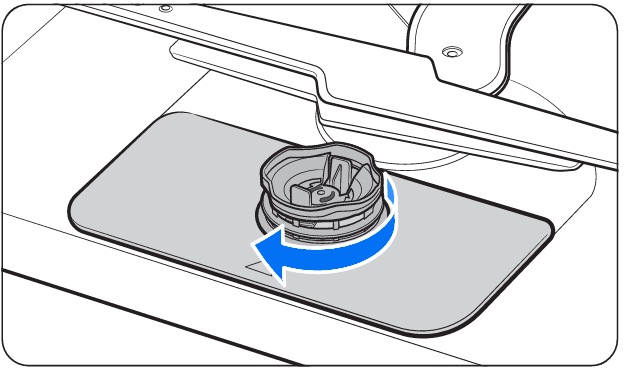
Access the sump after removing the filter to eliminate hidden debris.
- Remove the lower rack.
- Take out the filter assembly.
- Look into the sump at the bottom center.
- Check for debris like seeds, pits, or coffee grounds.
- Remove any visible gunk with tweezers or a damp cloth.
Shine a flashlight into the sump. If you see standing gunk or discoloration, clean it thoroughly. Refer to your model’s manual via Samsung’s Download Center for exact access instructions, as some pumps are removable while others are not.
Fix Sewage Smell During Operation
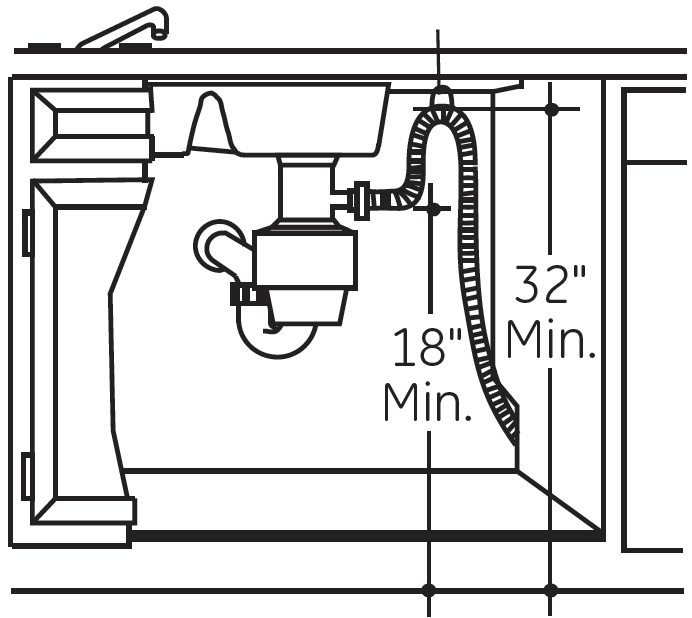
Check the Drain Hose High Loop
A sewage-like odor only during draining indicates back-siphoning from the sink drain or garbage disposal.
The drain hose must form a high loop rising above the sink drain level, typically 20 to 30 inches high. Then it should descend to connect to the disposal or drain pipe. Avoid kinks or low spots that trap water.
A common mistake is running the hose up and over the cabinet wall without maintaining a true loop. This still allows backflow.
Install an Air Gap If Needed
An air gap is required by plumbing code in some areas and prevents cross-contamination between the dishwasher and drain system. If odors persist after fixing the loop, add an air gap on the sink deck.
Disconnect the hose from the disposal and inspect for foul residue. Clean if necessary.
Prevent Odors Long-Term
Leave the Door Ajar After Every Cycle
This is the most effective prevention method, per technician advice.
After the cycle ends, crack the door open 2 to 3 inches. This allows moisture to escape and prevents mold growth. Do not close the door tightly right away.
Leave the door open for 6 to 12 hours or until fully dry. This simple habit makes a significant difference.
Clean Filters Every 1 to 3 Months
Cleaning frequency depends on usage and water hardness.
For models with a fine filter, rotate counterclockwise, remove the insert and mesh, rinse, scrub, and reassemble clockwise to lock. For models with a micro filter, turn the handle counterclockwise, remove the cylinder and cover, clean, dry thoroughly, and relock. For models with no removable filter, wipe the sump with a cloth and run an empty Normal cycle with detergent.
Incorrect reassembly causes poor drainage or error codes. Always double-check installation.
Run Self Clean Cycle If Available
Many Samsung models feature a Self Clean cycle designed to maintain internal hygiene using high heat and extended rinses.
Check your user manual via Samsung’s Download Center to confirm availability for your specific model. To use, ensure the dishwasher is empty, select Self Clean, and let it run without any additives. Repeat every 1 to 2 months for maintenance.
If your model does not have Self Clean, run a Hot Water plus Sanitize cycle monthly as an alternative.
Avoid Common Mistakes That Cause Smells
Using Bleach in Stainless Steel Tub
Never use chlorine bleach in Samsung models with stainless steel interiors. Bleach damages the interior finish, causes discoloration, and may void your warranty. Use vinegar or citric acid instead.
Skipping Garbage Disposal Maintenance
If your dishwasher drains into a disposal, clean the disposal monthly. Run ice cubes with salt or vinegar with baking soda to clear buildup. Odors in the disposal directly cause odors in the dishwasher.
Ignoring Water Quality Issues
In drought-prone areas or during algal blooms, incoming water may carry organic odors that intensify during heating. Consider a whole-house filter if the problem persists despite thorough internal cleaning.
When to Call a Technician
Persistent odor after all steps requires professional diagnosis.
A musty smell after drying indicates mold in the tub or gasket. A sewage smell during the cycle points to drain backflow. A 1E or IE drain error means a clogged filter or pump. Ongoing mildew in the gasket suggests poor sealing or excess moisture.
Call a professional if the drain hose is inaccessible, the pump is clogged and non-removable, or error codes persist after thorough cleaning.
Maintenance Schedule to Prevent Smells
| Task | Frequency | Purpose |
|---|---|---|
| Run vinegar cycle | Every 1 to 3 months | Deodorize and descale |
| Deep clean filters and nozzles | Every 1 to 3 months | Remove grime and prevent clogs |
| Wipe sump and gasket | Monthly | Prevent buildup |
| Clean garbage disposal | Monthly | Reduce odor source |
| Inspect drain hose loop | Once at install, then as needed | Prevent sewage backflow |
| Run Self Clean or sanitize | Monthly | Internal maintenance |
Set calendar reminders to stay consistent. Regular maintenance is the only proven long-term solution.
Final Thoughts on Eliminating Samsung Dishwasher Odors
A smelly Samsung dishwasher is fixable and largely preventable. The root causes are design-driven moisture retention, user habits, installation quality, and environmental factors. Start with a vinegar sanitize cycle, deep clean the filters and sump, ensure the drain hose has a proper high loop, and leave the door ajar after every use. Remember that odor does not mean defect. Samsung’s moisture retention protects the pump and is intentional. User habits matter most. The door ajar technique is more effective than any product. For sewage smells during operation, the issue is almost always a missing high loop or air gap, which is a simple fix. With these steps, you can eliminate odors and keep your dishwasher fresh, efficient, and odor-free for years.
Frequently Asked Questions About Samsung Dishwasher Smells
Why does my Samsung dishwasher smell musty even after cleaning?
The musty smell typically comes from mold or mildew growing in retained moisture. Samsung dishwashers intentionally keep water in the sump to protect the pump. If you close the door immediately after cycles, moisture cannot escape, leading to mold growth. Leave the door ajar for 6 to 12 hours after each use.
Can I use bleach to clean my Samsung dishwasher?
No. Never use chlorine bleach in Samsung dishwashers with stainless steel tubs. Bleach damages the interior finish and may void your warranty. Use distilled white vinegar or citric acid instead for safe sanitization.
Why does my dishwasher smell like sewage only when running?
This indicates drain backflow. Sewage odors during operation mean the drain hose lacks a proper high loop or air gap. Wastewater from the sink or garbage disposal is being siphoned back into the dishwasher. Fix the drain hose configuration to resolve this.
How often should I clean the filters in my Samsung dishwasher?
Clean filters every 1 to 3 months, depending on usage frequency and water hardness. Heavily used dishwashers or hard water areas may require more frequent cleaning. Regular filter maintenance prevents debris buildup that causes odors.
Does Samsung offer a vent accessory to prevent odors?
No. Samsung does not offer an official vent accessory for odor prevention. Third-party vent modifications are unverified and may void your warranty. Focus on proper maintenance, door management, and drain hose setup instead.