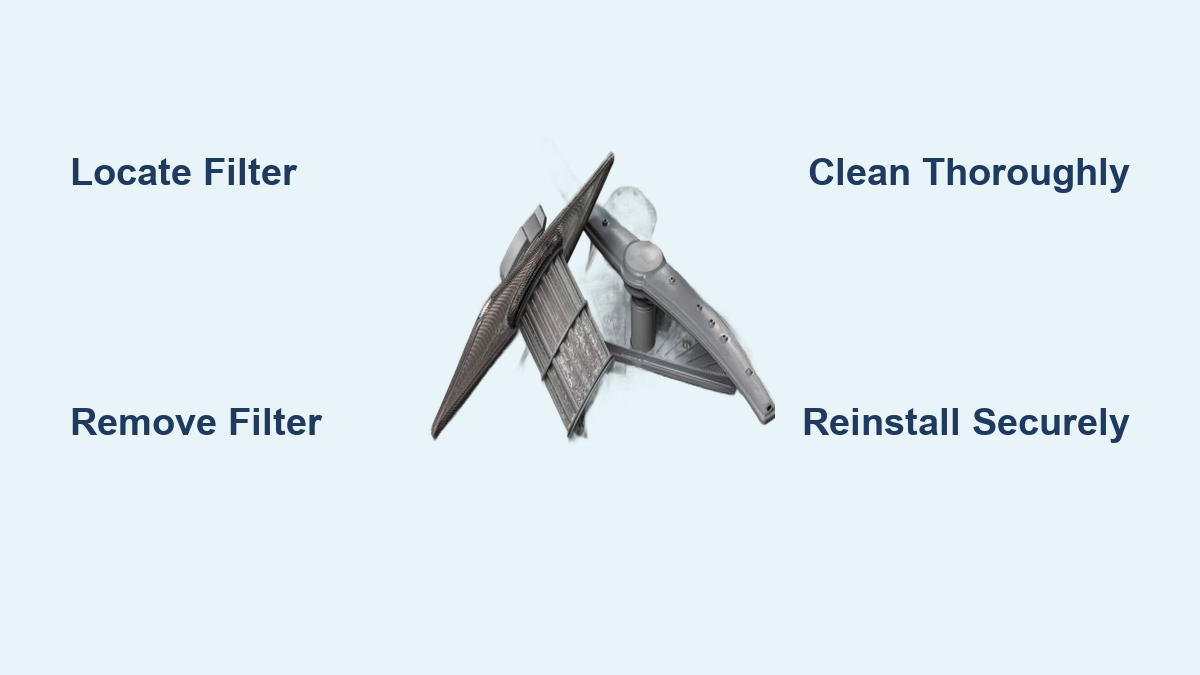
How to Check Dishwasher Filter: Easy Steps
Is your dishwasher leaving food residue on clean dishes or draining slower than usual? A clogged or dirty filter is likely the culprit. Learning how to check your dishwasher filter takes just a few minutes and can restore your appliance’s cleaning power while preventing costly repairs. Most modern dishwashers use a dual-filter system at the bottom of the tub to trap food particles, but debris accumulates over time and restricts water flow. This guide walks you through every step to inspect, remove, clean, and reinstall your filter for optimal performance.
Locate the Dishwasher Filter Assembly

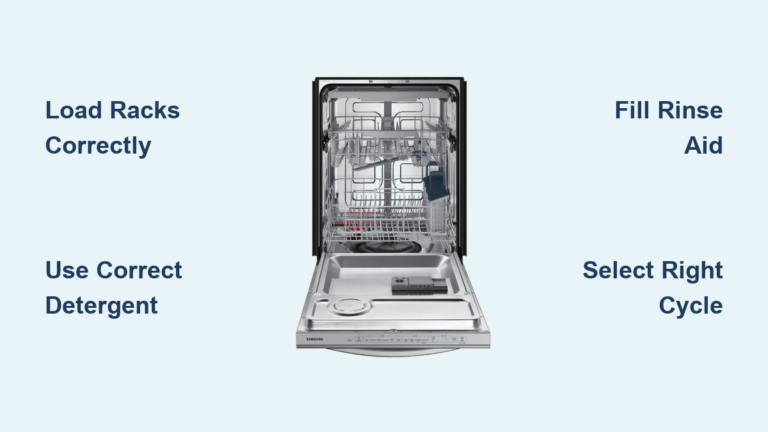
The filter assembly sits at the bottom center of your dishwasher tub, directly beneath the lower spray arm. Open the door fully and look for a circular component with a ridged or slotted surface. This is typically gray, white, or black depending on your model.
Most dishwashers use a dual-filter system with two distinct parts. The larger flat mesh filter traps big food chunks, while the smaller secondary filter, often a tab-like insert, catches fine particles. Some older models may include an additional coarse pre-filter basket.
Finding the Filter in Your Model
On GE, Whirlpool, and most standard brands, the filter is clearly visible and easily accessible. Bosch and Miele models may have a more compact or recessed design, but they remain reachable without tools. Consult your user manual if you cannot locate the filter assembly.
Inspect the Filter for Debris and Clogs
Crouch down for eye-level viewing and shine a flashlight into the filter area. Look closely at the mesh openings, filter ridges, and surrounding areas for visible problems.
Signs that your filter needs attention include food particles stuck in mesh openings, grease buildup that appears shiny or slimy, and hard water deposits that leave a chalky white film. You may also notice standing water in the tub after cycles, dishes coming out dirty despite pre-rinsing, or unpleasant odors when opening the door.
Performance Red Flags Indicating Filter Issues
You do not need visible debris to suspect filter problems. Watch for the spray arm not spinning freely, water pooling at the bottom after the cycle completes, or dishes with residue spots. These symptoms often appear before visible clogging becomes obvious.
Remove the Primary Filter Safely
Grasp the outer rim of the larger main filter and turn it counterclockwise, typically about a quarter to half a turn. You will feel it unlock from the locking tabs. Once loose, gently pull upward to remove the filter.
Never yank or force the filter out, as this breaks the locking tabs and creates costly repair needs. On some Bosch models, the motion is a lift-and-slide rather than a rotate. If the filter resists movement, double-check the rotation direction before proceeding.
Extract the Secondary Filter
After removing the primary filter, locate the smaller secondary filter nearby. It often sits beside or beneath the main filter housing. Grasp it firmly and pull straight up to lift it out.
Some units have an additional coarse filter basket or pre-filter component. Remove all detachable parts to ensure thorough cleaning access.
Clean the Filters Thoroughly
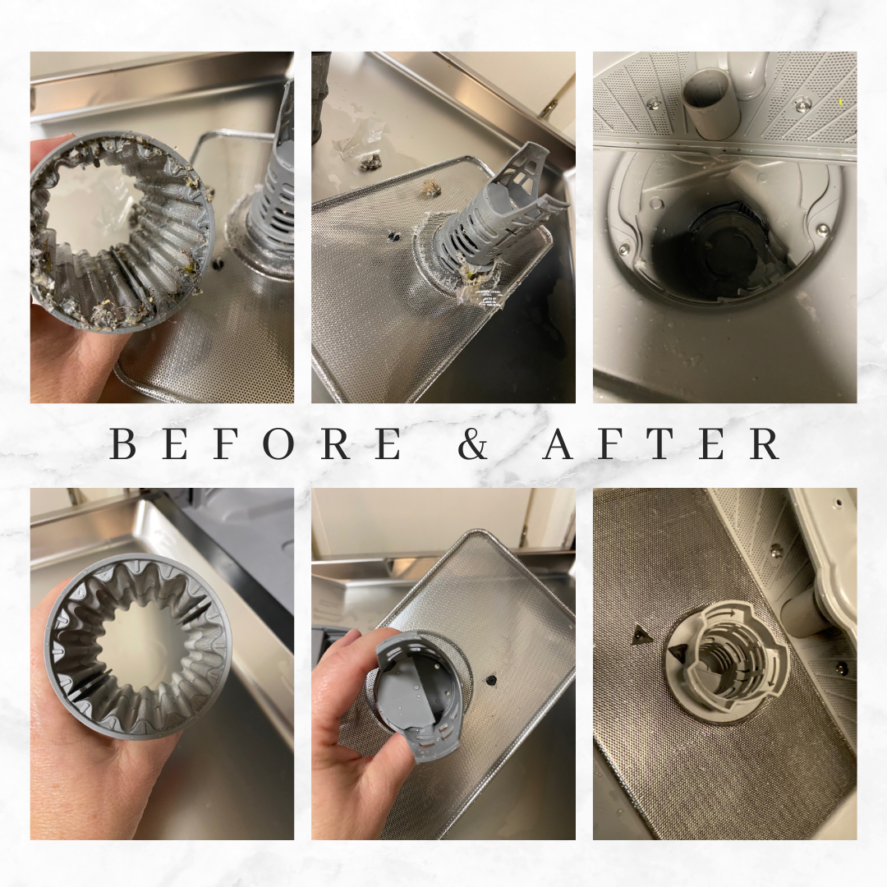
Hold each filter under hot running water to flush away loose debris. Point the mesh downward so water pushes gunk outward rather than deeper into the openings. Use your fingers to dislodge larger bits caught in slots and crevices.
Scrub with a Soft Brush
Use a soft-bristled brush such as an old toothbrush to scrub all mesh surfaces, edges, and corners. Focus on areas where grease collects or mineral deposits have formed. Avoid steel wool or abrasive pads, as they scratch and damage the filter coating.
For stubborn residue, fill a sink with hot soapy water and add one cup of white vinegar or one tablespoon of baking soda. Submerge the filters for fifteen minutes to loosen the grime, then scrub again and rinse until water runs completely clear.
Dry Before Reinstalling
Set filters on a clean towel or drying rack and allow them to air-dry fully before putting them back. Installing damp filters traps moisture, promotes mold growth, and prevents proper locking.
Reinstall Filters Correctly
Insert the smaller secondary filter first. Align it with its slot and press down firmly until it clicks or locks into place. Try lifting it to confirm it does not come out easily. If it wobbles or pops up, realign and press again.
Take the larger primary filter and align it with the housing grooves. Rotate clockwise until you feel resistance, then continue until it clicks or lifts slightly, indicating it is locked. Do not force it, as misalignment causes leaks and poor performance.
Verify Secure Installation
Gently try to pull up on both filters. Properly installed filters will not come out without deliberate unlocking. If either lifts without unlocking, reseat it immediately.
Maintain Filter Performance Long-Term
Clean your filter every four to six weeks under normal use. If you run the dishwasher daily, wash heavily soiled dishes frequently, or notice performance issues, clean every two to three weeks instead.
Set a recurring reminder on your phone calendar to stay on track. Consistency prevents buildup from becoming severe and keeps your dishwasher running efficiently.
Monthly Deep Cleaning Routine
Combine filter maintenance with a monthly interior sanitization. Place a heat-safe bowl with one to two cups of white vinegar on the top rack and run the hottest cycle available without dishes. This dissolves hidden grime, kills bacteria, and freshens the entire unit.
Prevent Common Mistakes
Never use pliers or excessive force when removing or installing filters. Broken tabs from forced removal require professional repair or part replacement. If a filter resists, verify the rotation direction and check for obstructions.
Do not skip the secondary filter during cleaning. That small piece handles fine filtration, and leaving it dirty defeats the entire cleaning process.
Avoid harsh chemicals such as bleach, oven cleaner, or aggressive degreasers. These warp plastic components and damage seals. Stick to mild dish soap, vinegar, or baking soda for safe cleaning.
Optimize Spray Arm Function
With the filter removed, check the lower spray arm for blockages. Unscrew or unclip it depending on your model, then rinse out interior channels. Use a toothpick or paper clip to clear clogged spray holes, as grease and mineral buildup here reduces water pressure even when the filter is clean.
Reinstall the spray arm and ensure it spins freely without catching on rack tines or debris. A spinning spray arm guarantees full coverage during wash cycles.
Recognize When to Call a Professional
If you have thoroughly cleaned the filter but water still pools in the tub, the problem may involve a clogged drain hose, air gap blockage, or garbage disposal backup. These require professional diagnosis.
Grinding noises, humming sounds, or error codes such as Drain or Clean appearing after filter cleaning could indicate a foreign object in the sump, pump failure, or control board issue. Stop using the unit and contact a technician.
Frequently Asked Questions About Checking Dishwasher Filters
How often should I check my dishwasher filter?
You should inspect your dishwasher filter every four to six weeks under normal use. Households with daily dishwasher use or heavy soiled loads should check every two to three weeks.
Can I put my dishwasher filter in the dishwasher to clean it?
No, you should never put dishwasher filters in the dishwasher. The high heat and harsh detergents can warp plastic components and damage the filter. Clean filters by hand using hot water, a soft brush, and mild soap or vinegar.
What happens if I do not clean my dishwasher filter?
A dirty filter restricts water flow, leading to poor cleaning performance, standing water in the tub, unpleasant odors, and increased strain on the pump. Over time, this can cause pump failure and significantly shorten your dishwasher’s lifespan.
How do I know if my dishwasher filter is clogged?
Signs of a clogged filter include dishes coming out dirty or spotted, water pooling at the bottom after cycles, foul smells, and reduced spray arm rotation. You may also notice longer wash times or the dishwasher not draining properly.
Where is the filter located on my dishwasher?
The filter assembly is located at the bottom center of the dishwasher tub, directly beneath the lower spray arm. It is typically a circular component with a ridged or slotted surface.
Do all dishwashers have filters?
Most modern dishwashers have at least one filter, often a dual-filter system with a larger primary filter and smaller secondary filter. Some older or budget models may have different configurations, including removable pre-filter baskets.
Key Takeaways for Maintaining Your Dishwasher Filter
Regular filter maintenance is essential for keeping your dishwasher running efficiently and your dishes coming out clean. The process takes less than ten minutes and involves locating the filter assembly at the bottom of the tub, removing both the primary and secondary filters, cleaning them thoroughly with hot water and a soft brush, and reinstalling them securely. Clean filters prevent pump strain, eliminate odors, and ensure optimal water flow for better cleaning performance. Make filter checks part of your monthly kitchen routine to extend your dishwasher’s lifespan and avoid costly repairs.