How to Dry Dishes in Dishwasher: Quick Tips
You’ve loaded the dishwasher, selected the cycle, and waited through the wash and rinse, only to open the door and find your plastic containers still dripping wet. You’re not alone. Millions of households face inconsistent drying results, especially with lightweight plastics. But here is the truth: your dishwasher can deliver dry dishes every time, if you understand how its drying system works and use it correctly.
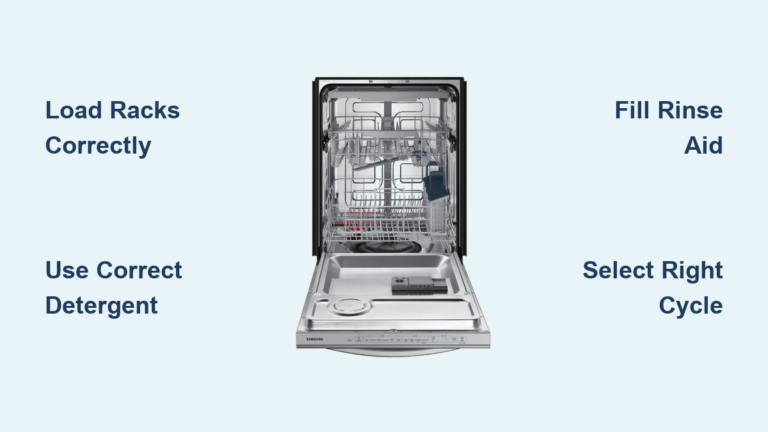
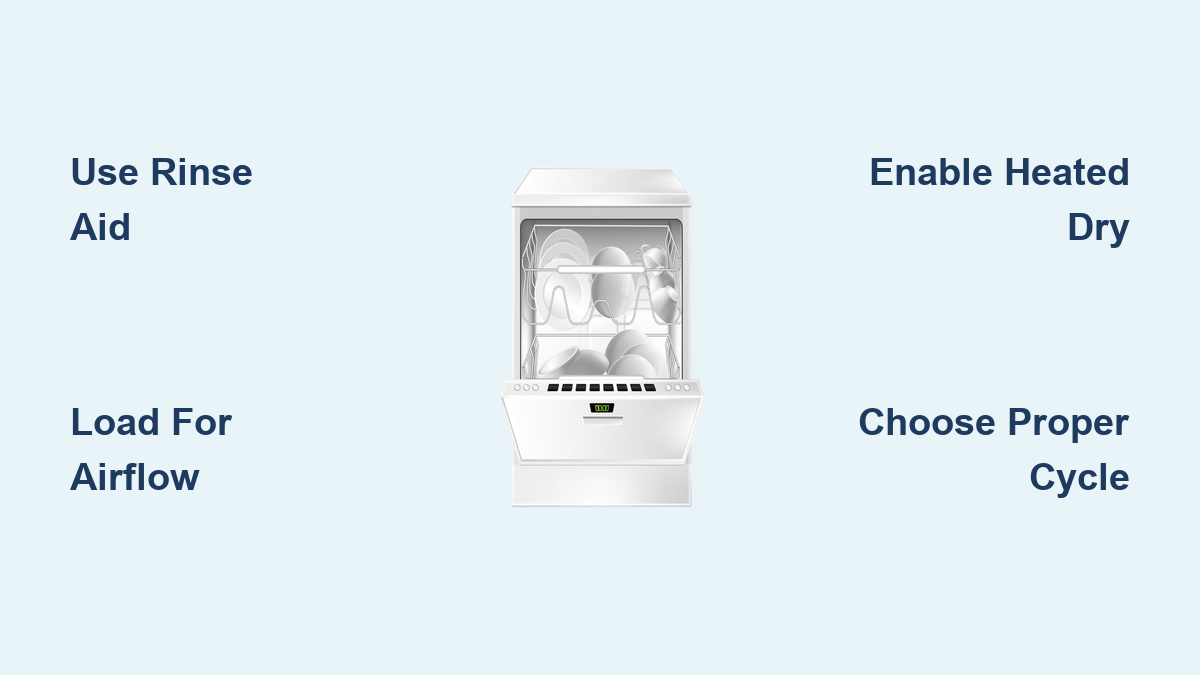
The key is not just having a high end model. It is knowing how to maximize your machine’s built in drying capabilities. Whether your dishwasher uses a heating element, condensation, fan assisted drying, or advanced zeolite technology, performance hinges on three factors: proper loading, rinse aid use, and cycle selection. Without these, even the best dishwashers leave moisture behind.
In this guide, you will learn exactly how to dry dishes in a dishwasher, no towel needed. We will break down the science behind why plastics stay wet, reveal the most effective drying technologies, and give you step by step strategies to get consistently dry dishes. You will also discover pro tips like unloading in the right order, optimizing rinse aid settings, and when to consider upgrading your machine.
Let us turn soggy results into spotless, dry success.
Choose the Right Drying Technology
Your dishwasher’s drying method determines how well it removes moisture. Not all systems are equal, especially when it comes to drying plastic.
Use Heating Element for Reliable Dryness
Dishwashers with a heated dry cycle use an exposed heating coil at the bottom to warm the interior air. This active heat speeds evaporation and delivers strong drying across glass, ceramic, and even some plastics.
- Best for: Mixed loads, plastic containers, users who want predictable results
- Works well in: KitchenAid, Whirlpool, and most standard American models
- Pro tip: Enable Heated Dry in settings, even if it adds 10 to 15 minutes
Warning: High heat may warp thin plastic if items are not dishwasher safe. Always check labels.
Try Condensation Drying for Energy Savings
Common in European brands like Miele, condensation drying relies on residual heat from the final rinse. Stainless steel tub walls cool faster than dishes, causing moisture to condense on the tub and drain away.
- Best for: Glass, metal, ceramic
- Weakness: Often leaves plastic damp due to low heat retention
- Pro tip: Crack the door slightly at cycle end to boost airflow and speed drying
Ideal for: Eco conscious users with minimal plasticware
Upgrade to Fan Assisted Drying
GE Profile, LG, and Samsung offer fan assisted drying, sometimes called Dry Boost, which vents humid air and circulates dry air inside the tub.
- Drying time: Up to 30 percent faster than passive systems
- Plastic performance: Good, airflow helps evaporate surface moisture
- Noise: Low hum during drying phase
Some models allow you to extend fan runtime for stubborn loads.
Switch to Zeolite for Best Plastic Drying
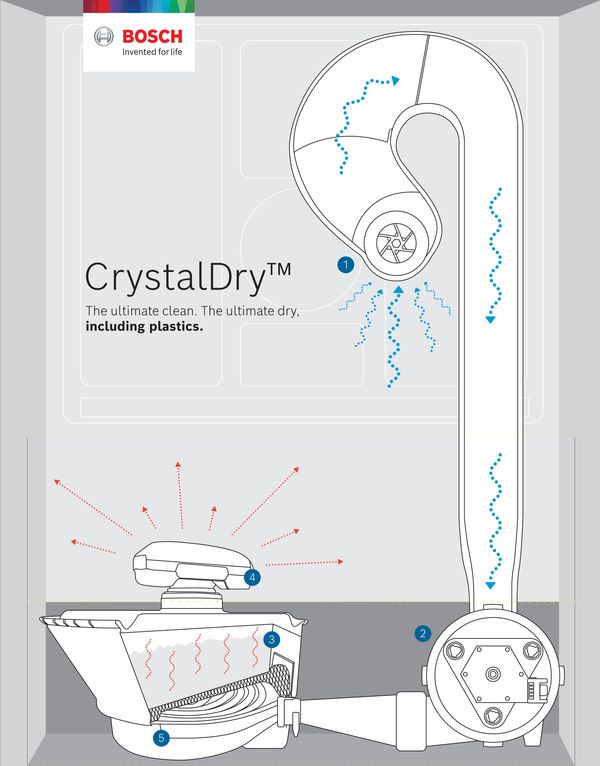
Bosch’s CrystalDry and similar zeolite systems absorb moisture and release heat, up to 176 degrees Fahrenheit, without using extra electricity.
- Test results: Up to 100 percent drier plastic items versus non zeolite models
- Works silently and safely, no exposed heating element
- Longevity: Zeolite lasts 5 plus years under normal use
Best for: Families with baby bottles, Tupperware, or lots of plastic containers
Load Dishes for Maximum Airflow
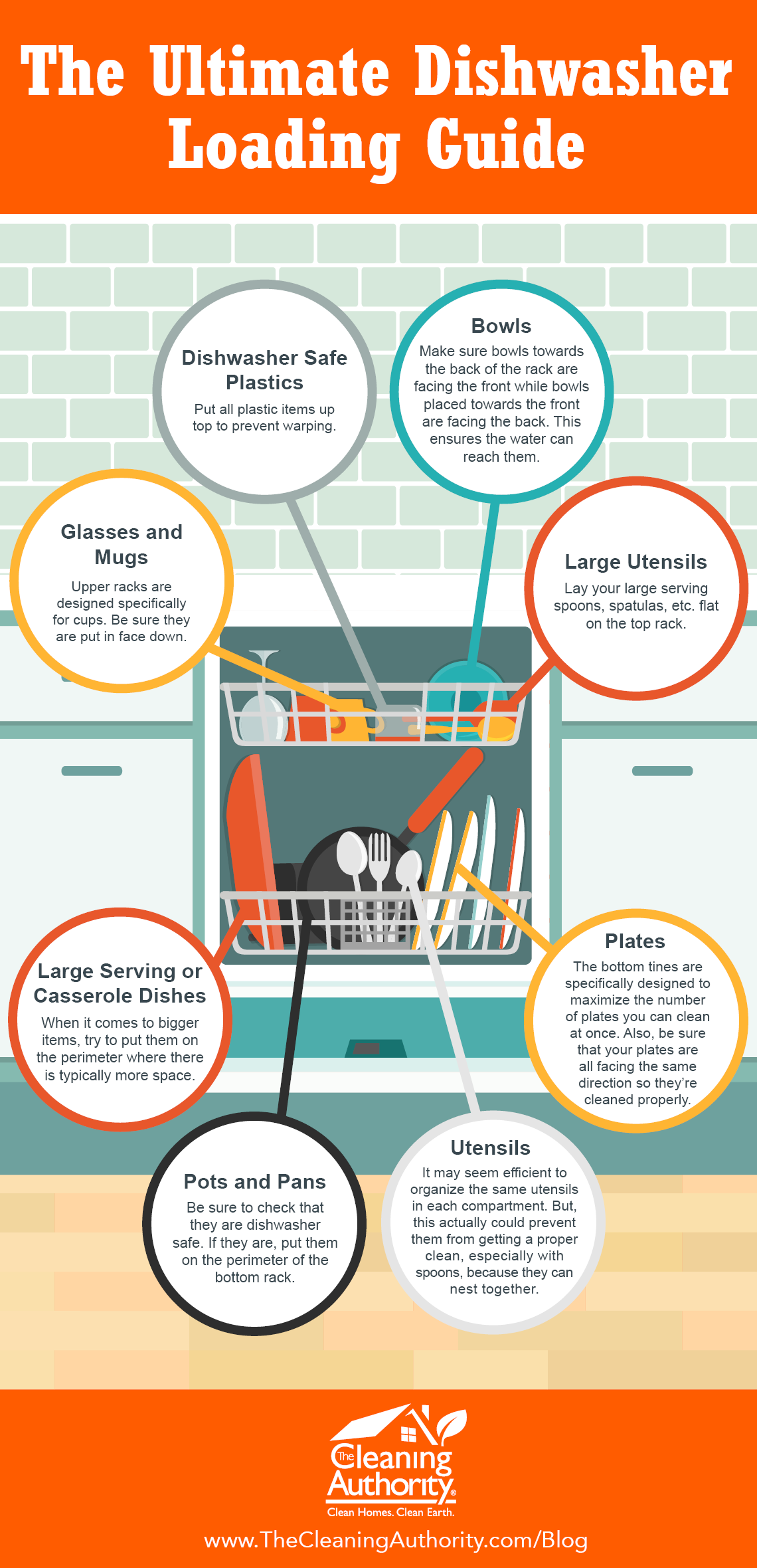
Even the best drying tech fails if dishes are loaded wrong. Airflow is critical because blocked spaces trap moisture.
Avoid Nesting and Overloading
Stacking bowls or packing utensils too tightly prevents water and air from circulating.
- Do: Space plates evenly, angle bowls downward
- Do not: Nest cups, stack cutting boards, or block spray arms
Visual cue: You should be able to see light between items in the rack.
Angle Bowls and Cups Downward
Water pools in concave items if they face up. Always position them facing down so water drains off.
- Upper rack: Use cup holders and tilt small cups like espresso cups downward
- Pro tip: Place deep narrow mugs at far left or right edges to prevent water collection
Secure Lightweight Items
Plastic containers can shift during washing, creating water traps.
- Use adjustable tines to hold items in place
- Place lids on the silverware basket or top rack, not loose in lower rack
Use Rinse Aid Like a Pro
Rinse aid is the number one factor in drying performance, yet most people underuse or skip it entirely.
Why Rinse Aid Works
It acts as a surfactant, reducing water’s surface tension so it sheets off instead of beading.
- Result: Faster evaporation, fewer water spots, drier surfaces
- Without it: Droplets cling to plastic, especially
Fact: 90 percent of Americans manually dry dishes, largely because they do not use rinse aid properly.
Fill and Adjust the Dispenser
- Check weekly, rinse aid runs out faster than you think
- Dosage settings should match your water hardness. Soft water needs level 2 to 3. Hard water needs level 4 to 6.
Some models alert you when it is low. Do not ignore the warning light.
Choose the Right Product
- Standard: Finish Jet Dry
- Enhanced: Finish Turbo Dry, formulated for plastics
- Natural alternative: White vinegar, less effective and may degrade seals over time
Never mix vinegar and commercial rinse aid. They can react and reduce effectiveness.
Select the Best Wash Cycle
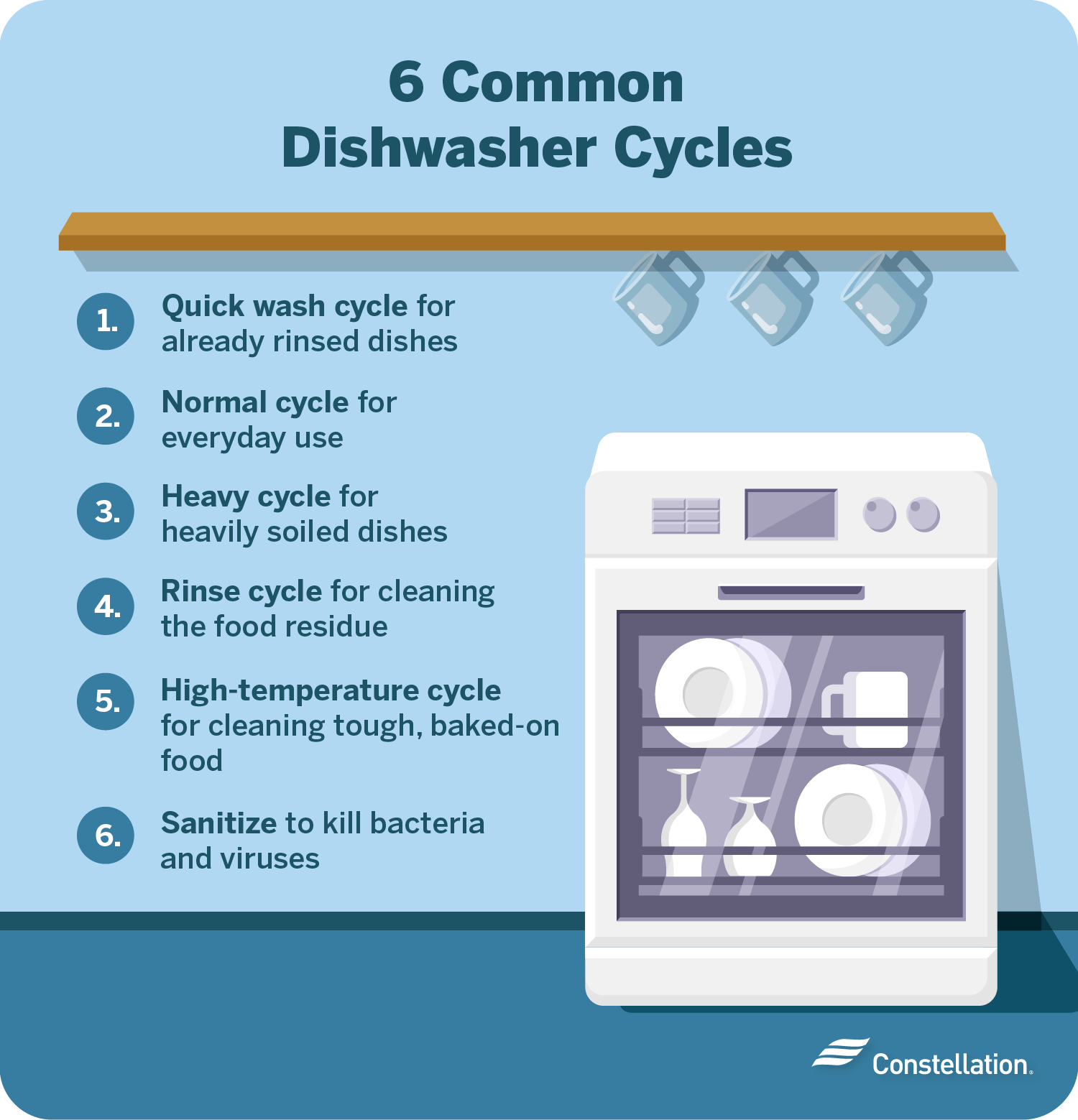
Not all cycles dry equally. Choosing the wrong one sabotages your results.
Use Auto or Heavy Duty for Full Drying
- Auto Cycle: Adjusts based on soil level and uses optimal temperature
- Heavy Duty or Pots and Pans: Reaches up to 162 degrees Fahrenheit rinse temp, great for greasy pans and better drying
Both typically include extended drying phases.
Enable Sanitize for Hotter Rinses
The sanitize cycle heats water to 162 degrees Fahrenheit, meeting NSF standards for bacteria reduction, and boosting drying.
- Residual heat helps evaporate moisture
- Especially useful for baby bottles, cutting boards, and plastic
Avoid Quick Wash Cycles
Speed 60, Half Load, or 1 Hour Wash often skip or shorten the drying phase.
- Result: Clean but wet dishes
- Workaround: Manually add a heated dry option if available
Optimize Advanced Drying Features
Modern dishwashers offer smart drying enhancements. Use them to your advantage.
Turn On AutoAir on Bosch Models
AutoAir automatically opens the door at peak internal temperature, usually 30 to 60 minutes after cycle ends.
- Releases humid air
- Lets fresh air in to accelerate drying
- Achieves up to 40 percent drier dishes
Includes Steam Guard to protect cabinetry from moisture.
Perfect for overnight drying or delayed unloading.
Activate CrystalDry for Plastic
If your Bosch has CrystalDry, make sure it is enabled.
- Especially effective on Tupperware, baby bottles, and food storage containers
- Runs silently during final drying phase
Check settings menu. Some users accidentally disable it.
Use Dry Boost or Fan Assist
On GE, LG, and Samsung models, Dry Boost or Fan Assist activates a venting fan.
- Clears steam, reduces humidity
- Can be paired with heat for faster results
Look for Extra Dry or Vent and Heat options in cycle settings.
Unload in the Correct Order
How you unload affects whether dry dishes get re wet.
Remove Bottom Rack First
Water can drip from cups or bowls in the upper rack when you remove them.
- Step 1: Take out bottom rack dishes
- Step 2: Then middle rack if present
- Step 3: Finally, remove top rack items
Prevents accidental spillage onto clean plates and glasses.
Improve Drying with Simple Habits
Small changes make a big difference in drying performance.
Pre Heat the Water
Run hot water at the sink for 10 to 15 seconds before starting the dishwasher.
- Ensures the first fill is hot at 120 to 140 degrees Fahrenheit
- Improves cleaning and contributes to better drying
Saves time and energy compared to the dishwasher heating cold water.
Set Water Heater to 130 Degrees Fahrenheit
- Minimum: 120 degrees Fahrenheit for safety
- Optimal: 130 to 140 degrees Fahrenheit, especially for sanitize cycles
Higher temps increase scald risk. Install anti scald valves if adjusting.
Crack the Door After Cycle
On older models without AutoAir, manually open the door 2 to 3 inches at cycle end.
- Releases steam
- Allows air circulation
- Helps condensation based systems dry faster
Avoid opening fully. Retain residual heat for better evaporation.
Maintain Your Dishwasher Regularly
A dirty dishwasher cannot dry well. Keep key components clean.
Clean the Filter Weekly
Clogs reduce spray pressure and leave food residue that traps moisture.
- Remove and rinse under warm water
- Use a soft brush for stuck debris
Most models have self cleaning filters, but still need occasional inspection.
Wipe the Door Gasket
Mold or grime on the seal can trap moisture inside.
- Use damp cloth and mild detergent
- Check for tears or warping
Check Heating Element and Fan
If dishes are consistently wet, inspect the heating coil visible at tub bottom for mineral buildup. Listen for fan noise in fan assisted models. If silent, it may be faulty.
Faulty components may require professional repair.
Troubleshoot Wet Dishes Fast
Cannot figure out why dishes are still damp? Use this quick checklist.
Why Are Plastics Still Wet
- Cause: Low thermal mass, they cool too fast to evaporate water
- Fix: Use rinse aid, enable extended dry, upgrade to zeolite or fan assisted model
Water Pooling in Bowls
- Cause: Loaded facing upward
- Fix: Reposition to face down, angle in rack
Dishes Damp All Over
- Cause: Rinse aid empty or turned off
- Fix: Refill dispenser, adjust dosage setting
Excessive Moisture in Tub
- Cause: Drying cycle disabled
- Fix: Enable Heat Dry, Extra Dry, or Sanitize option
Poor Airflow
- Cause: Overloaded racks or blocked vents
- Fix: Reduce load size, space items apart
Suspect a Fault
- Failed heating element, fan, or vent
- Consider repair if under 8 years old
- Replace if over 10 years or lacks modern drying tech
Upgrade When Drying Fails

If your dishwasher consistently leaves dishes wet, it may be time for a new model.
Look for These Features
| Feature | Benefit |
|---|---|
| Stainless steel tub | Enhances condensation drying |
| Zeolite or CrystalDry | Best for plastic drying |
| Fan assisted drying | Vents steam, reduces humidity |
| AutoAir or auto open | Automatically vents at optimal time |
| Sanitize cycle at 162 degrees Fahrenheit | Boosts drying with high heat |
| Adjustable rinse aid | Customize for hard water or heavy loads |
Energy Tip: Energy Star certified models balance efficiency and drying power. Look for eco dry modes that save energy without sacrificing performance.
Frequently Asked Questions About Drying Dishes in a Dishwasher
Why do plastic containers always come out wet from the dishwasher?
Plastic has low thermal mass compared to glass, ceramic, or metal. It heats up during the wash cycle but cools rapidly once the cycle ends. Without retained heat, water cannot evaporate effectively. Additionally, water tends to bead up on plastic surfaces rather than sheeting off, leaving stubborn moisture behind.
Can I run just a drying cycle without washing the dishes?
Most dishwashers do not offer a dedicated dry only cycle. All standard cycles include a wash phase before drying. Some high end models have a plate warmer function that heats dishes without water, but this is rare. The closest workaround is placing hand washed dishes inside after a regular cycle ends and allowing residual heat to assist with drying.
Does using rinse aid really make that much difference?
Yes. Rinse aid is the single most effective tool for improving dishwasher drying performance. It reduces water’s surface tension so moisture sheets off surfaces instead of forming droplets. Without rinse aid, water beads up on dishes and takes much longer to evaporate. Most people who manually dry dishes do so because they do not use rinse aid properly.
What is the best cycle for drying dishes?
Auto Cycle, Heavy Duty, and Sanitize cycles deliver the best drying results. Auto Cycle adjusts temperature and duration based on soil level. Heavy Duty reaches up to 162 degrees Fahrenheit during the final rinse. Sanitize cycle meets NSF standards and uses high heat that aids evaporation. Avoid Quick Wash or Speed cycles, which often skip or shorten the drying phase.
How often should I clean my dishwasher filter?
Clean the filter weekly to maintain optimal drying performance. Clogs reduce spray pressure and leave food residue that traps moisture on dishes. Most modern dishwashers have self cleaning filters, but they still require occasional inspection and manual cleaning to remove stuck debris.
When should I replace my dishwasher instead of repairing it?
Replace your dishwasher if it is over 10 years old and lacks modern drying technology like fan assist, zeolite, or auto open features. Repair makes sense if the unit is under 8 years old and the repair cost is less than 50 percent of replacement value. Older models simply cannot match the drying performance of newer machines with advanced features.
Key Takeaways for Getting Dry Dishes Every Time
Getting dry dishes straight from the dishwasher is not magic. It is method. Follow these proven steps and you will never towel dry again.
Always use rinse aid. It is the single most effective drying tool available. Without it, water beads up on surfaces and takes forever to evaporate. Fill the dispenser regularly and adjust the dosage based on your water hardness.
Load dishes properly. Angle bowls and cups downward, avoid nesting items together, and leave space between dishes for airflow. Overloading blocks spray arms and traps moisture inside the tub.
Choose the right cycle. Use Auto, Heavy Duty, or Sanitize cycles for best drying. Skip Quick Wash or Speed cycles, which often omit the drying phase entirely.
Enable advanced drying features. Turn on Heat Dry, Extra Dry, CrystalDry, or Fan Assist if your model has these options. They make a significant difference in final dryness.
Unload bottom to top. This prevents water dripping from upper rack items from re wetting clean dishes below.
Consider upgrading. If your model lacks modern drying technology, newer dishwashers with zeolite, fan assist, or auto open features deliver dramatically better results, especially for plastic containers.
With the right habits and technology, you can stop towel drying dishes forever. Dry, ready to store results are possible, every single load.