How to Load Pots and Pans in a Dishwasher
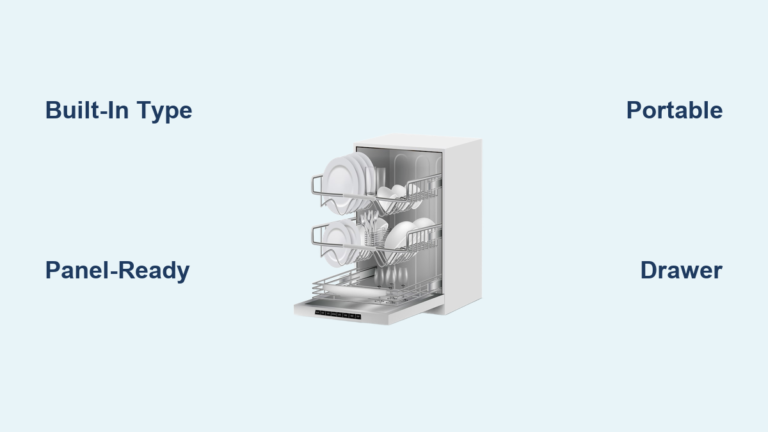
Loading a dishwasher with pots and pans can be frustrating, especially when you’re left with half-washed cookware or no room for plates. Most people struggle with where to place bulky pots, tall saucepans, or greasy skillets to ensure they come out clean without blocking spray arms. But with the right strategy, you can maximize space, improve cleaning performance, and protect both your cookware and dishwasher.
This guide shows you exactly how to load a dishwasher with pots and pans efficiently based on dishwasher design, cookware type, and water flow dynamics. You will learn which positions work best, what to avoid, and how to prevent common mistakes that lead to re-washing.
Optimize Lower Rack Layout for Pots and Pans

The lower rack is designed for large, durable items like pots and pans. Proper arrangement ensures water jets reach all surfaces while preventing movement during the wash cycle.
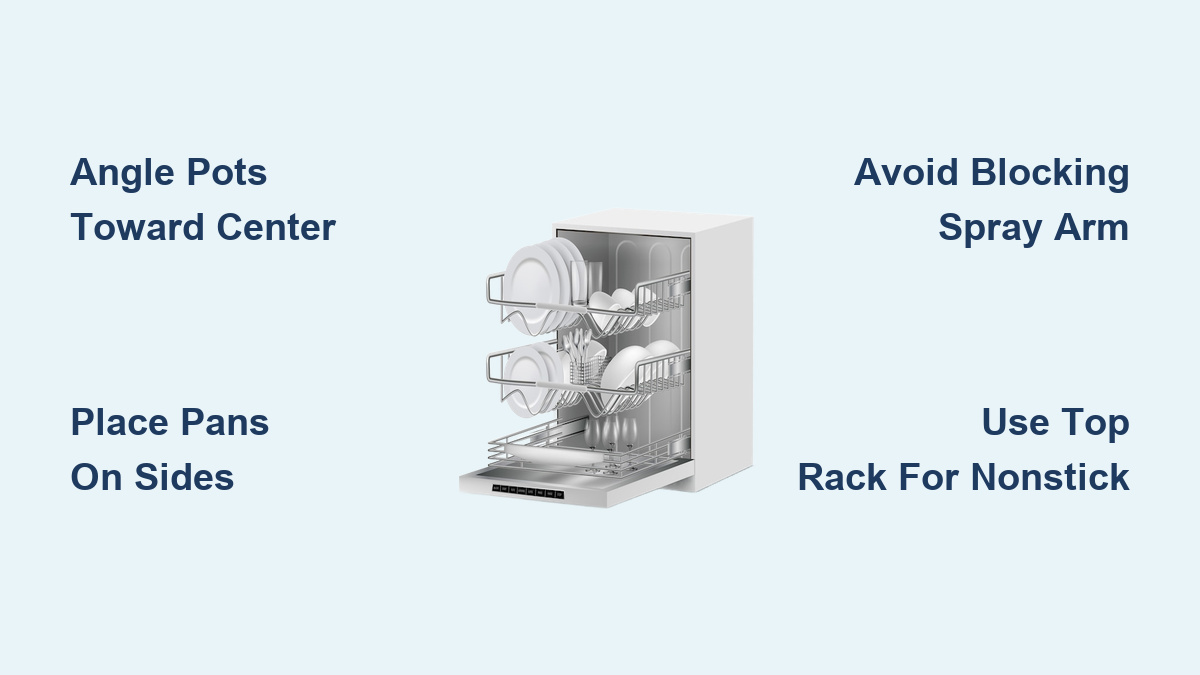
Angle Pots Toward the Center Spray Arm
Arrange pots at slight angles instead of flat to allow water and detergent to flow inside and around them. Tilt pots so their openings face toward the center spray arm. This positioning prevents water pooling and improves cleaning efficiency.
Avoid stacking pots inside each other unless they are small and lightweight. Nested pots block water flow and often emerge with food residue. If nesting is necessary, offset them so spray can reach gaps between layers.
Position Pans Along Sides and Back
Flat pans like skillets and baking sheets should go along the sides and back of the lower rack. Place them with curved sides facing down so grime does not trap inside. Lean them against tines at a slight tilt, similar to books on a shelf, to let water drain and spray reach both sides.
Never place pans directly in front of the center spray tower. Blocking this area restricts water distribution and reduces cleaning power across the entire load.
Use Adjustable Tines When Available
Many modern dishwashers feature fold-down or swivel tines. Use these to customize space for oversized cookware. Fold one row of tines down to create a flat zone for deep pots or wide pans.
Adjust tines to grip pot handles gently and prevent shifting during the wash cycle. Make sure no metal parts touch the dishwasher interior walls to avoid scratching the finish.
Load Cookware by Material Type
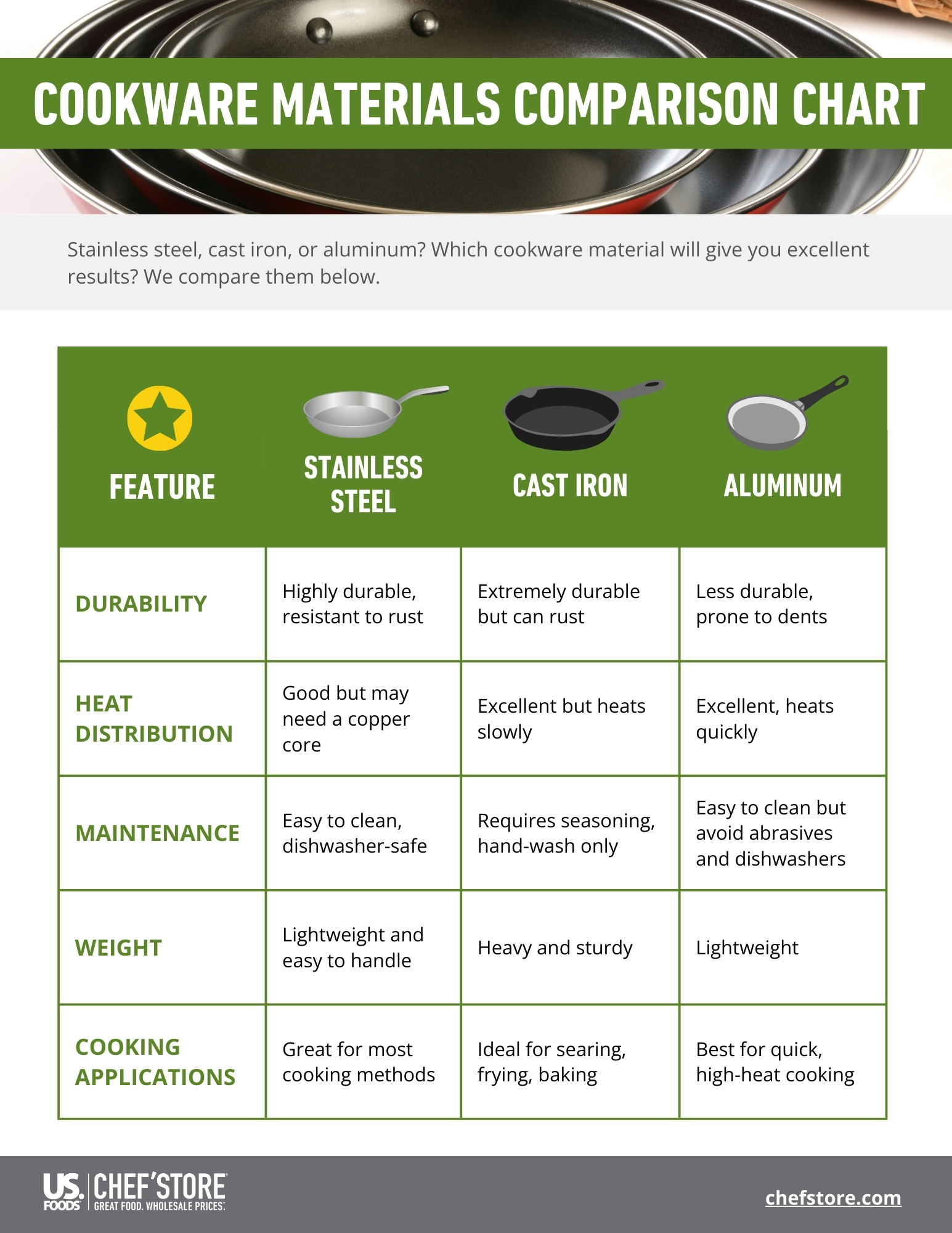
Different materials and shapes require specific handling to avoid damage and ensure cleanliness.
Stainless Steel and Aluminum Pots
These durable pots can go on the lower rack, angled toward the center. Place lids vertically in the cutlery basket or along the door pan rack if available. Avoid letting aluminum cookware touch stainless steel items to prevent galvanic corrosion.
Clean heavily soiled pots with a quick wipe before loading. Built-up starch or grease can bake onto surfaces during drying and become harder to remove.
Nonstick and Ceramic-Coated Pans
Always place nonstick pans on the top rack, upside down, and tilted slightly. The lower rack high-pressure spray may degrade the coating over time.
Do not overload nearby items. Shifting utensils or plates can scratch the nonstick surface. Avoid using harsh detergents or high-heat drying settings, which accelerate coating wear.
Cast Iron Skillets Require Hand Washing
Never put seasoned cast iron in the dishwasher. The hot water, detergent, and prolonged moisture strip the seasoning and promote rust. Clean by hand with minimal water and dry immediately.
If you own enamel-coated cast iron like Dutch ovens, check the manufacturer label. Most enameled pieces are dishwasher-safe, but handwashing preserves longevity.
Arrange Cookware by Size and Shape
Efficient loading depends on matching cookware dimensions to available space and spray coverage.
Place Deep Pots in Rear Corners
Place deep stockpots or saucepans in the back corners of the lower rack. Angle them so the handle does not block the door from closing and the interior remains accessible.
Ensure the pot bottom does not rest flat on the rack. Elevate it slightly using folded tines or a rack booster if available. This allows water to circulate underneath and prevents shadowing.
Store Lids in Secondary Zones
Lids are awkward but manageable. Options include door-mounted pan racks if your model has one, between tines on the top rack secured vertically, or in the cutlery basket if small enough and not blocking drainage.
Never let lids cover plate or bowl areas. They act as shields, preventing water from reaching items beneath.
Handle Oversized Baking Sheets
Sheet pans and roasting trays should go one per side, leaning against the rack walls. Alternate sides between loads to maintain balance.
If your dishwasher has a third rack common in newer models, use it for shallow pans, lids, and spatulas. This frees up space below and improves overall spray access.
Avoid Common Loading Mistakes
Even small errors can result in dirty pots, damaged cookware, or appliance strain.
Never Block the Spray Arm
The number one mistake is placing tall pots or pans so they interfere with the spinning spray arm. Before closing the door, manually rotate the arm to confirm it moves freely.
If the arm hits a pot, reposition the item or choose a different rack location. A blocked spray arm leads to poor cleaning in both upper and lower racks.
Do Not Overcrowd the Rack
Packing too many pots reduces water pressure and detergent contact. Leave at least one inch of clearance around each item for proper circulation.
If you run out of space, consider washing some items by hand or running a second cycle. It is more efficient than rewashing half-clean pots.
Keep Sharp Utensils Away from Pans
Knives, graters, and whisks should go point-down in the cutlery basket. Loose sharp tools can scratch nonstick or polished surfaces on nearby pans.
Separate metal utensils from delicate cookware to prevent damage during agitation.
Maximize Cleaning Performance for Cookware
Proper loading only works when combined with optimal cycle settings and maintenance.
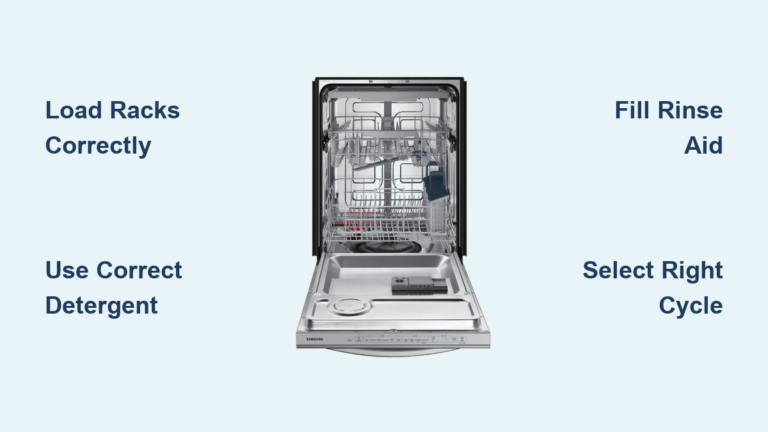
Select the Right Wash Cycle
For pots and pans, use the Heavy Duty or Pots and Pans cycle. Add the High Temp Wash option if available, and select Pre-Wash for greasy or baked-on residue.
These settings increase water pressure, extend wash time, and raise temperatures to cut through tough soils.
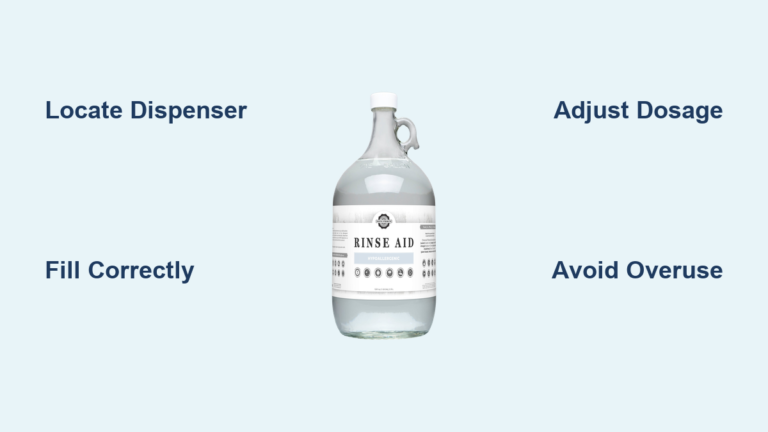
Use Rinse Aid and Quality Detergent
Rinse aid improves drying and prevents water spots, especially on stainless steel. It also helps water sheet off vertical surfaces of tilted pans.
Use detergent pods or gels formulated for heavy soil. Avoid cheap powders that may not dissolve fully under hard water conditions.
Maintain Your Dishwasher Weekly
A clean dishwasher cleans better. Wipe the door gasket, check the filter, and remove food debris weekly.
Run a maintenance cycle with dishwasher cleaner or white vinegar every one to two months to prevent odor and buildup that affects performance.
Final Tips for Efficient Dishwasher Loading
Loading pots and pans does not have to slow down your routine. With these final strategies, you will save time and get consistent results.
Create a Loading Routine
Develop a repeatable system. First, scrape off large food particles. Second, place largest pots first on the lower rack, angled. Third, add pans along sides. Fourth, fill remaining spaces with plates and bowls. Fifth, load lids and utensils last.
Consistency prevents wasted space and ensures nothing blocks critical zones.
Upgrade Your Dishwasher If Needed
If your dishwasher consistently fails to clean pots, consider a model with a third rack, an adjustable upper rack for tall pots, or flexible tines or pan-specific holders.
These features dramatically improve cookware compatibility.
Hand-Wash What Does Not Belong
Some items simply do not belong in the dishwasher. Copper-bottom pans discolor, wooden-handled cookware warps, and fragile nonstick with peeling coating gets damaged.
Keep a small drying rack for these exceptions and reserve dishwasher space for truly compatible items.
Key Takeaways for Loading Pots and Pans in Your Dishwasher
Loading pots and pans efficiently comes down to smart placement, understanding your dishwasher design, and respecting material limits. Angle cookware toward the center spray arm, avoid blocking water flow, and use the right cycles for heavy soil. Place nonstick pans on the top rack, and never wash cast iron in the dishwasher. By following these guidelines, you will get cleaner results in fewer runs. Implement one tip at a time, and soon loading will feel effortless.
Frequently Asked Questions About Loading Pots and Pans in a Dishwasher
Can I put all my pots and pans in the dishwasher?
Not all cookware is dishwasher-safe. Stainless steel and aluminum pots generally fine, but cast iron should always be hand-washed. Nonstick pans go on the top rack only, and copper-bottomed pans may discolor.
Why do my pots still look dirty after running the dishwasher?
Blocked spray arms or overcrowding are the most common causes. Make sure nothing blocks the spray arm rotation and leave at least one inch of space around each item for water circulation.
Should pots face up or down in the dishwasher?
Pots should be angled with openings facing the center spray arm, not placed flat. This allows water and detergent to flow inside and clean all surfaces thoroughly.
Is it okay to stack pots inside each other in the dishwasher?
Stacking pots blocks water flow and often leaves food residue inside. Only stack lightweight, small pots and offset them so spray can reach between layers.
How do I load lids without blocking water from other dishes?
Store lids vertically in door-mounted racks, between top rack tines, or in the cutlery basket if small. Never place lids over plate areas where they shield items from water spray.