How to Load a Maytag Dishwasher
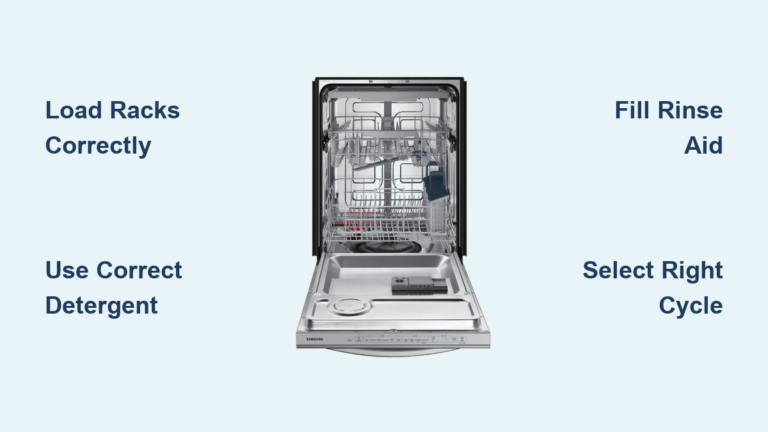
Loading a Maytag dishwasher the right way makes all the difference in getting spotless dishes, avoiding re-washes, and protecting your appliance. Many people unknowingly overload, misplace items, or block spray arms, leading to poor cleaning results. The good news? With a few smart techniques, you can maximize every cycle.
This guide breaks down exactly how to load a Maytag dishwasher for peak performance. From rack-specific placement to avoiding common mistakes, you will learn how to get sparkling clean dishes every time without pre-rinsing, overloading, or damaging delicate items.
Bottom Rack: Load Large Items Right

The bottom rack handles heavy, soiled cookware and dinnerware. Proper placement ensures powerful spray reaches every surface.
Place Plates Facing the Center
Fit dinner plates between the tines, angled slightly inward toward the center spray arm. Never stack plates flat. They must stand vertically to allow water to hit both sides. Position soiled areas facing the middle where spray arms rotate.
Load Pots, Pans, and Bowls Correctly
Put large pots and pans on the sides or back of the rack, open side down. Angle them downward so water drains and does not pool. Avoid placing deep bowls directly over the detergent dispenser. This blocks detergent release.
Keep Cutting Boards Vertical
Only plastic or glass cutting boards belong in the dishwasher. Load them vertically along the sides of the rack, not flat. This prevents warping and ensures full spray coverage.
Check Spray Arm Clearance
After loading, spin the lower spray arm by hand. If it hits any item, adjust placement. Blocked spray arms are a top cause of poor cleaning.
Top Rack: Handle Delicates with Care
The top rack is designed for fragile, lightweight items that could be damaged by the heat and pressure of the bottom zone.
Load Glasses and Mugs Facing Down
Always place drinkware facing down to prevent water from collecting inside. Angle them slightly so water drains during drying. Space them apart to avoid clinking and breakage.
Use Adjustable Tines for Custom Fit
If your model has movable tines, adjust spacing to fit tall mugs or small espresso cups. This prevents shifting during the wash cycle.
Keep Plastics on Top
Plastic containers warp when too close to the heating element at the bottom. Always place them on the top rack, secured between tines.
Avoid Overcrowding Delicates
Never place large bowls or baking sheets on the top rack. They block the upper spray arm and reduce cleaning power significantly.
Third Rack: Optimize Utensil Space
Some Maytag models include a third-level rack, an upper tray perfect for freeing up the silverware basket.
Load Long Utensils and Small Tools
Use this rack for serving spoons, spatulas, measuring cups, bottle caps, and knife sheaths. Position items at an angle so water can rinse and drain fully. Face them toward the center for maximum spray exposure.
Free Up the Silverware Basket
Move oversized or bulky utensils here to prevent overcrowding below. This improves cleaning and drying for all silverware.
Silverware Basket: Load Safely and Effectively

How you load utensils impacts cleanliness, drying, and safety when unloading.
Mix Forks, Spoons, and Knives
Alternate utensil types to prevent nesting. Clumped spoons or stacked forks block water and stay dirty.
Load Knives with Sharp Edge Down
For safety, always place knives point down. This prevents cuts when unloading and keeps blades protected.
Alternate Spoon Orientation
Place some spoons bowl up, others bowl down. This breaks nesting and ensures both inside and outside surfaces get cleaned.
Separate Stainless Steel and Silver
Never let stainless steel and silver utensils touch. Contact causes galvanic corrosion, leading to pitting and discoloration. Use separate compartments or alternate layers.
Use the Basket Lid
Secure loose utensils with the silverware basket lid if available. It keeps items spaced and prevents shifting during high-pressure sprays.
Avoid These 4 Loading Mistakes
Even small errors can ruin cleaning performance. Watch out for these common issues.
1. Overloading the Racks
Cramming in too many dishes blocks water flow. Leave space between items so spray can reach all surfaces. If plates or bowls are touching, remove one.
2. Blocking the Spray Arms
Never let pots, pans, or large trays extend below the bottom rack or cover the lower spray arm. Both upper and lower arms must rotate freely after loading.
3. Pre-Rinsing Dishes
Modern Maytag dishwashers use soil sensors to adjust cycle length and water temperature. Pre-rinsing removes food particles, confusing the sensor and reducing cleaning efficiency. Just scrape off large debris. No rinsing needed.
4. Using Hand-Washing Soap
Dishwasher detergent is formulated to work in high heat with low suds. Hand soap creates suds that overflow and can damage internal components. Never substitute.
Choose the Right Wash Cycle
Loading correctly only works if you pair it with the right cycle. Match the program to your load type.
Normal Cycle for Everyday Meals
Best for mixed loads of plates, glasses, and utensils. Uses sensors to detect soil level and adjusts automatically.
Heavy Wash for Pots and Pans
Use for baked-on food or greasy cookware. Runs longer with hotter water and stronger spray.
Quick Wash for Light Loads Only
Cleans slightly soiled dishes in under an hour. Not for dirty pots or full loads.
Sanitize for Germ-Killing Clean
Adds extra heat to eliminate 99.999% of bacteria. Avoid with delicate glassware or plastic.
Rinse Only to Hold Until Full
Rinses dishes to prevent drying-on before a full load. No detergent used.
Use the Right Detergent and Rinse Aid
Product choice matters as much as loading technique.
Gel or Liquid Detergent Works Best
These dissolve faster and reduce film compared to powders. Choose based on water hardness, soil level, and presence of rinse aid.
Always Use Rinse Aid
Rinse aid prevents water spots, speeds drying, and improves cleaning in hard water. Refill the rinse aid dispenser regularly. Use every cycle.
Maintain Your Dishwasher Monthly
A clean dishwasher cleans better. Neglect maintenance, and even perfect loading fails.
Clean the Filter Weekly
A clogged filter is the number one cause of poor performance. Open the dishwasher and locate the filter at the back of the tub. Twist and lift to remove. Rinse under warm water. Use a soft brush to remove stuck debris. Reinstall securely. Do this once a week if you run daily cycles.
Run a Vinegar Wash Monthly
Removes mineral buildup and odors. Place 2 cups white vinegar in a bowl on the bottom rack. Run a Normal cycle with no detergent. Turn off Heated Dry to preserve vinegar effect.
Follow with Baking Soda Rinse
Deodorizes and freshens the interior. Sprinkle 1 cup baking soda on the floor of the tub. Run a Hot Water cycle. Do this after the vinegar wash for best results.
Unload in the Right Order
How you unload affects cleanliness and efficiency.
Start with the Bottom Rack
Unloading from the bottom first prevents water from dripping off top-rack items like mugs onto clean plates.
Then Remove Silverware
Reduces risk of water spillage from the upper racks.
Finish with the Top Rack
Ensures no residual moisture falls on already-unloaded dishes.
Organize as You Go
Put away all plates, then all glasses, then all utensils. This cuts time and keeps the process smooth.
Frequently Asked Questions About Loading a Maytag Dishwasher
Should I pre-rinse dishes before loading them in my Maytag dishwasher?
No. Modern Maytag dishwashers have soil sensors that detect food particles and adjust the wash cycle accordingly. Pre-rinsing removes these particles, making the sensors less effective. Simply scrape off large debris like bones and fibrous food.
Can I put wooden cutting boards in my Maytag dishwasher?
No. Wooden utensils and cutting boards can warp, crack, or splinter in the dishwasher. Only plastic or glass cutting boards are safe for dishwasher use.
Why do my dishes still come out dirty after running a full cycle?
This is usually caused by blocked spray arms or a clogged filter. Check that no items are blocking the spray arms. Clean the filter weekly to remove trapped debris that restricts water flow.
Should I separate stainless steel and silver utensils in the dishwasher?
Yes. Contact between stainless steel and silver causes galvanic corrosion, leading to pitting and discoloration. Keep them in separate compartments or alternate layers in the silverware basket.
What happens if I overload my Maytag dishwasher?
Overcrowding blocks water and detergent from reaching all surfaces. Dishes will come out dirty or still have food residue. Leave adequate space between items for proper water circulation.
How often should I clean my Maytag dishwasher filter?
Clean the filter once a week if you run your dishwasher daily. For lighter use, clean at least once a month. A clogged filter is the number one cause of poor cleaning performance.
Key Takeaways for Loading Your Maytag Dishwasher
Properly loading a Maytag dishwasher is not just about fitting everything in. It is about smart placement, avoiding damage, and enabling peak cleaning performance. Always load plates vertically on the bottom rack facing the center, and place glasses facing down on the top rack. Mix utensil types in the silverware basket to prevent nesting, and never let stainless steel touch silver. Avoid pre-rinsing, overloading, or blocking the spray arms. Pair correct loading with the right wash cycle, use gel detergent with rinse aid, and maintain your appliance by cleaning the filter weekly and running monthly vinegar and baking soda cycles. Follow these steps every time, and you will enjoy consistently clean, dry dishes while extending the life of your appliance.