How to Unclog a Frigidaire Dishwasher: Quick Fix Guide
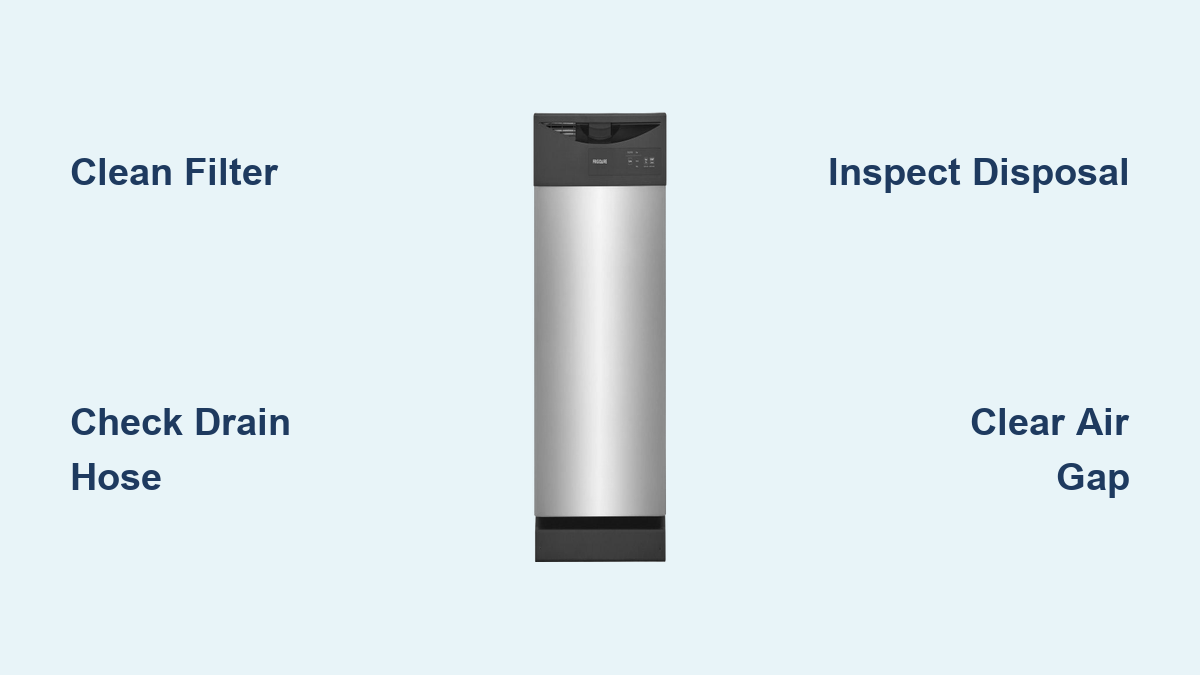
Standing water in your Frigidaire dishwasher after a cycle is more than just annoying. It is a sign of a blockage or malfunction that needs attention. If your dishwasher is not draining properly, you are likely dealing with a clog in the filter, drain hose, garbage disposal, or air gap. The good news is that most drainage issues can be resolved at home with basic tools and a methodical approach.
This guide will walk you through step-by-step techniques to unclog your Frigidaire dishwasher. You will learn how to identify and clear common blockages, inspect key components like the drain pump and float switch, and avoid costly service calls. Whether you own a compact FFBD1831US or a high-end FPID2498SF, these fixes apply across all Frigidaire models.
Remove Standing Water Before Inspection
Before inspecting internal parts, safely remove leftover water to prevent electrical hazards and improve visibility. This step is essential before you begin any troubleshooting.
Manual Water Removal Steps
Turn off power at the circuit breaker or unplug the unit. Pull out the bottom rack to access the tub floor. Use a cup, sponge, or turkey baster to extract water into a bucket. For stubborn puddles, place towels on the base to absorb moisture.
Never tilt the dishwasher to drain water. This can damage hoses and seals and create leaks.
Clean the Drain Filter Thoroughly

A clogged filter is the number one reason Frigidaire dishwashers fail to drain. Regular cleaning resolves this issue in most cases.
Locate and Remove the Filter
The filter sits beneath the lower spray arm. Press down on the spray arm and turn the filter handle counterclockwise to unlock. Lift out the filter and spray arm assembly together.
Cleaning Process
Disassemble the filter components if it is multi-part. Rinse under warm running water. Use a soft brush or toothbrush to scrub away grease, seeds, and food debris. Check for cracks or wear and replace if damaged. Reinstall by aligning and turning clockwise until it clicks.
Clean the filter monthly to prevent future clogs. Models like the FFCD2418US have self-cleaning filters, but manual cleaning is still recommended every few months.
Inspect the Drain Hose for Blockages
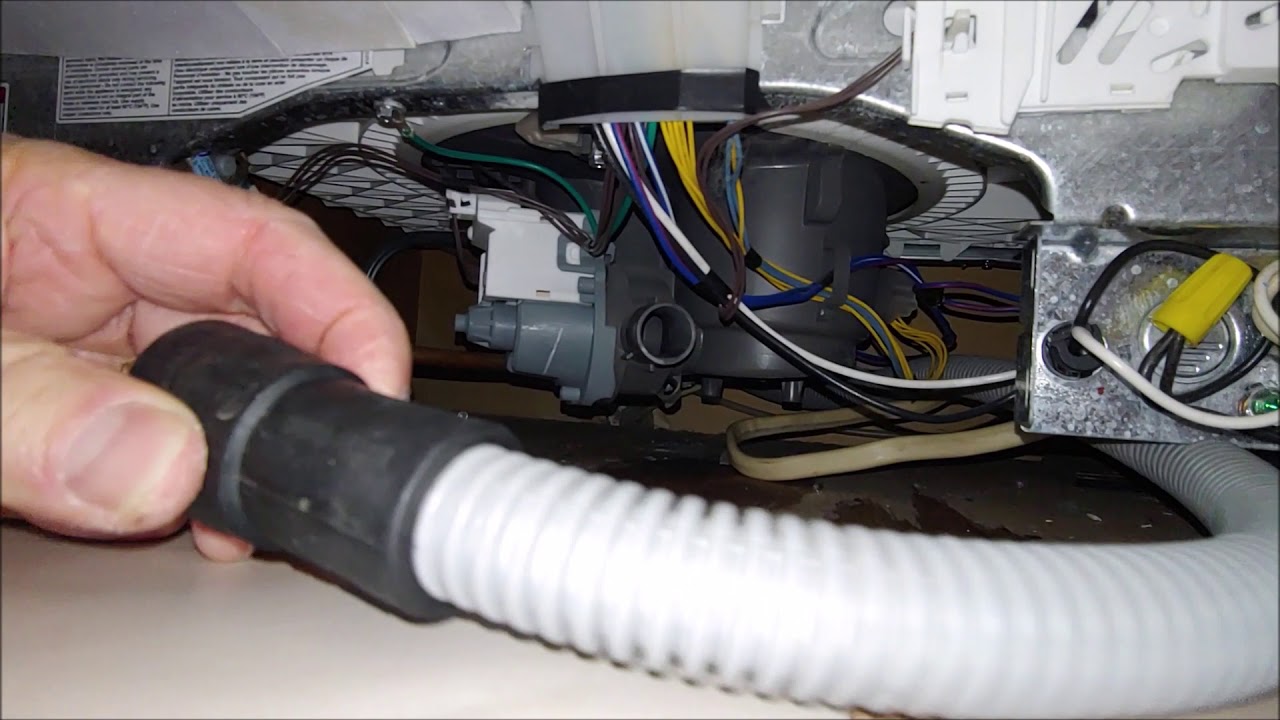
A kinked or clogged drain hose stops water from exiting the dishwasher. This component deserves attention when troubleshooting drainage issues.
How to Check the Hose
Disconnect power. Pull the dishwasher forward slightly to access the back. Find the drain hose connected to the pump and sink or disposal. Look for kinks, crushing, or sharp bends and straighten if needed.
Clearing a Clogged Hose
Detach both ends of the hose. Flush with hot water in a sink. Use a bottle brush or straightened wire hanger to push through stubborn clogs. Reconnect securely and ensure the hose forms a high loop under the sink.
The high loop prevents dirty water from siphoning back into the dishwasher. Replace the hose if it is cracked, brittle, or has internal buildup that will not flush out.
Check Garbage Disposal and Knockout Plug
If your dishwasher drains into a garbage disposal, a clog or missing knockout plug could be the issue. This is a common cause of drainage problems.
Test the Disposal
Run the disposal for 30 seconds before starting a cycle. Listen for normal grinding. If it is slow or silent, clean or repair it.
Verify the Knockout Plug Is Removed
Locate the dishwasher inlet port on the disposal. Check if the plastic knockout plug was removed during installation. If still in place, use a screwdriver and hammer to punch it out.
A retained knockout plug blocks all drainage. This is a top cause of no-drain issues after disposal replacement.
Clear the Air Gap
The air gap prevents backflow and often gets clogged with debris. Keeping it clean ensures proper drainage.
Cleaning the Air Gap
Find the small chrome or plastic cap near the sink faucet. Remove the cap and pull out the insert. Rinse all parts under warm water. Use a toothpick or brush to clear the outlet tube underneath.
Water backs up into the sink when the dishwasher runs if the air gap is clogged. Clean the air gap every 2 to 3 months to maintain flow.
Examine the Drain Pump

A jammed or failed pump prevents water from being pushed out. This component is critical for proper drainage.
Access and Inspect the Pump
Remove the lower front panel, which is usually held by 2 to 3 screws. Locate the drain pump at the base of the tub. Shine a flashlight into the sump area.
Check the Impeller
Look for foreign objects like glass, bones, or twist ties. Gently spin the impeller with your finger. It should rotate freely. If stuck, remove debris carefully with needle-nose pliers.
Do not force the impeller. This can damage the motor shaft.
Test for Electrical Failure
Use a multimeter to check continuity. No reading means the motor is dead and the pump must be replaced.
Pump replacement requires disassembly and wiring work. This is best left to technicians unless you are experienced with appliance repair.
Test the Float Switch
The float switch tells the dishwasher when to stop filling and start draining. If stuck, drainage will not begin.
How to Inspect
Find the plastic cylindrical float at the bottom of the tub. Ensure it moves up and down freely. Clean around the float housing with a damp cloth. Gently lift and release to confirm smooth movement.
If the float is stuck in the full position, the control board thinks the tub is overflowing. Consequently, it will not start the drain cycle.
Reset the Dishwasher
Sometimes, a simple reset clears temporary glitches that cause drainage issues.
Reset Procedure
Turn off power at the breaker. Wait 5 minutes. Restore power. Run a drain-only or rinse cycle.
Some Frigidaire models like the GDPP4515AF support diagnostic mode. Press specific button combinations to read error codes. Refer to your manual for details.
Inspect Sink Drain and Plumbing
Shared plumbing means a clogged sink can block your dishwasher. This connection is often overlooked.
Diagnose Shared Blockage
Run water in the sink. Is drainage slow? If yes, use a plunger or drain snake to clear the pipe. Avoid chemical drain cleaners because they can damage dishwasher seals.
Both the sink and dishwasher drain slowly indicates a main line clog. Clear the P-trap or call a plumber for deep blockages.
Prevent Future Clogs
Avoid repeat problems with smart habits and routine care. Prevention is easier than repair.
Best Maintenance Practices
Scrape dishes before loading. Do not put large food chunks in the dishwasher. Clean the filter monthly. Run hot water in the sink before starting a cycle. Use rinse aid to reduce residue buildup. Do not overload racks because this blocks spray arms and drainage paths. Inspect the drain hose every 6 months.
High-end Frigidaire models like the FPID2498SF offer self-cleaning filters and OrbitClean wash systems. These features reduce manual cleaning needs but do not eliminate them entirely.
When to Call a Professional
Some issues require expert help. Knowing when to call saves time and prevents further damage.
Red Flags Needing a Technician
Grinding or humming during the drain cycle indicates a failed pump. Error codes persist after reset. There is no continuity in the drain pump, meaning electrical failure. Clogs recur despite thorough cleaning. There is a burnt wiring smell or visible electrical damage.
Keep your model number handy when calling. This helps with faster service. Examples include FFBD2420US or FFBD1831US.
Frequently Asked Questions About Unclogging a Frigidaire Dishwasher
Why does my Frigidaire dishwasher leave standing water after a cycle?
Standing water usually indicates a clog in the filter, drain hose, or garbage disposal connection. The filter is the most common culprit and should be cleaned first.
How often should I clean my Frigidaire dishwasher filter?
Clean the filter at least once per month. This prevents buildup of food particles, grease, and debris that cause drainage problems.
What is the knockout plug on a garbage disposal?
The knockout plug is a plastic disc that seals the dishwasher inlet port on a new garbage disposal. It must be removed during installation or the dishwasher will not drain.
Can I use chemical drain cleaners in my dishwasher?
No. Chemical drain cleaners can damage dishwasher seals, hoses, and internal components. Use mechanical cleaning methods like brushing or snaking instead.
Why does my sink fill with water when the dishwasher runs?
This usually means the air gap is clogged. Clean the air gap cap and outlet tube. If the problem persists, check the drain hose for blockages or kinks.
Key Takeaways for Unclogging Your Frigidaire Dishwasher
Most Frigidaire dishwasher clogs are caused by simple blockages in the filter, hose, or disposal. By following this guide, you can resolve approximately 90% of drainage issues without professional help. Always disconnect power before working inside the unit. Never use drain chemicals in your dishwasher.
The filter is the first place to check when your dishwasher will not drain. Clean it monthly and inspect it for damage. The drain hose, garbage disposal connection, and air gap are secondary areas that commonly cause problems. The float switch and drain pump are less common culprits but may require professional attention if they fail.
With regular maintenance, your Frigidaire dishwasher will drain cleanly and run efficiently for years. Establish a routine of monthly filter cleaning, periodic hose inspections, and careful loading practices to prevent future clogs.