Types of Dishwashers Explained
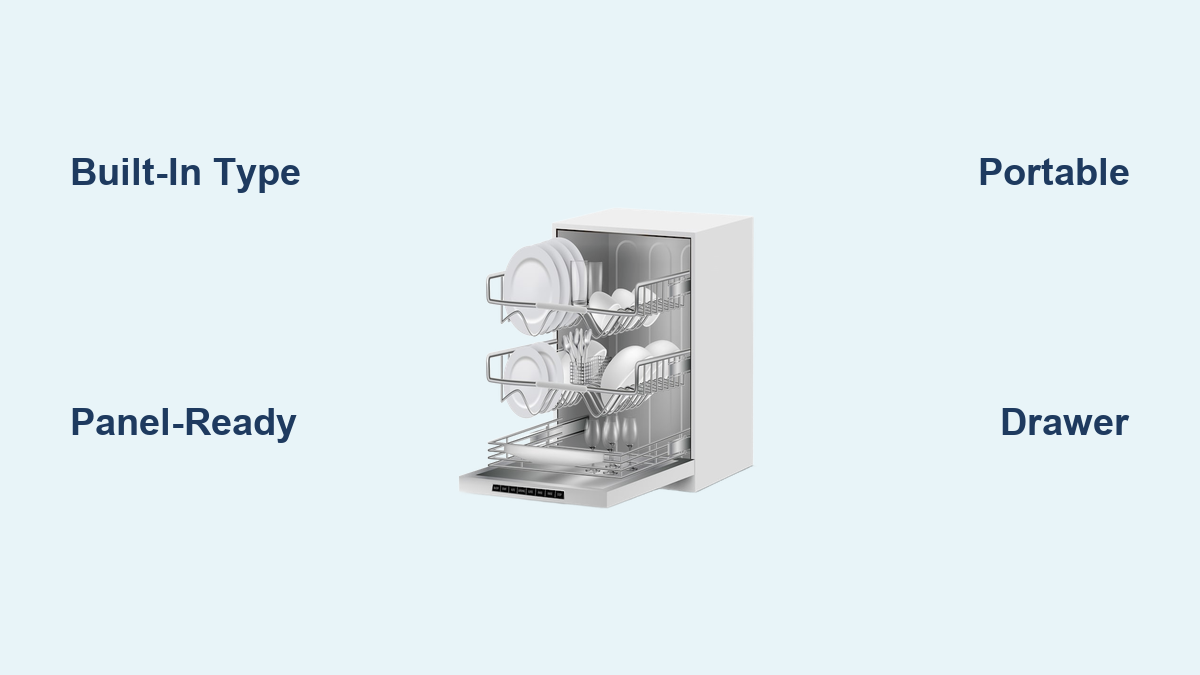
Choosing the right type of dishwasher can transform your daily routine, save water, and elevate your kitchen’s functionality. With four main types available—built-in, panel-ready, portable, and dishwasher drawers—each option serves different lifestyles, spaces, and budgets. Whether you need high-capacity cleaning for a large family or a flexible solution for a small apartment, understanding these differences helps you make a confident choice.
This guide breaks down each type of dishwasher with actionable insights, performance comparisons, and real-world considerations to help you find the perfect match for your home.
Built-in Dishwashers
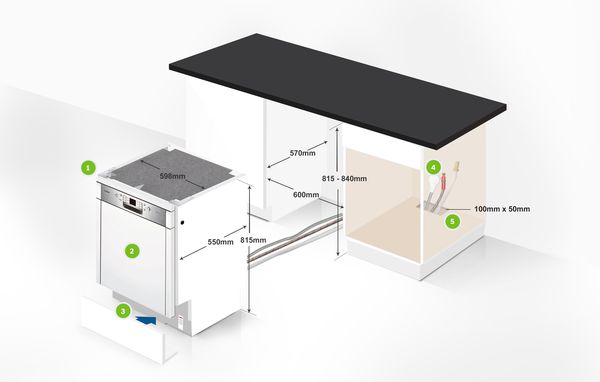
The built-in dishwasher is the most common choice for modern homes, offering powerful cleaning performance and seamless integration beneath your countertop.
Standard Installation & Size
Built-in models measure 24 inches wide and 24 inches deep, fitting perfectly into standard cabinet openings. These units connect permanently to water supply and drainage lines, requiring professional installation or careful DIY setup during kitchen remodeling. Leveling feet must be adjusted during installation to ensure proper operation and prevent vibration noise.
These dishwashers are not designed to be moved once installed, so choose your location carefully. Ensure access to a water supply line, drain, and electrical outlet nearby before committing to the placement.
Control Panel Options
Most built-in dishwashers feature front-facing controls, but premium models offer hidden controls located on the top edge of the door. Hidden controls create a sleek, minimalist appearance that pairs beautifully with stainless steel or custom finishes. Front controls are easier to read and operate but may show fingerprints and smudges more readily.
Higher-end models often include indicator lights that project cycle status onto the floor, allowing you to monitor progress without opening the door.
Capacity & Rack Configuration
Standard built-in dishwashers handle 12 to 16 place settings, making them ideal for families of four or more. Most models feature two main racks, with many including a third rack at the top specifically designed for silverware, utensils, and pot lids. This design maximizes storage without increasing the footprint.
Look for adjustable upper racks and fold-down tines to accommodate oversized items like baking sheets, serving bowls, and large cookware.
Interior Material Options
Stainless steel interiors retain heat better than plastic, improving drying performance and resisting odors and stains over time. These tubs are standard in mid to high-end models and contribute significantly to overall cleaning effectiveness.
Plastic tubs are quieter and more affordable but may degrade faster, especially in areas with hard water. If longevity and drying performance matter to you, prioritize stainless steel.
Noise Levels
The quietest built-in models operate below 45 decibels, about the level of a quiet conversation. Premium units use advanced sound-dampening insulation and brushless motors to minimize noise. If your kitchen opens into a living area, a low-decibel model prevents disruption during meal preparation or family activities.
Energy Efficiency
All modern built-in dishwashers exceed hand washing in efficiency, but Energy Star-certified models meet stricter standards. These units use as little as 3 gallons per cycle and cost approximately $50 annually to operate. The yellow EnergyGuide label on each model provides estimated yearly operating costs.
Over the appliance’s lifetime, Energy Star models save up to 3,800 gallons compared to older, less efficient units.
Price Tiers
Built-in dishwashers fall into three main price categories.
Entry-level models under $500 offer basic features, plastic tubs, and noisier operation with limited rack flexibility. The $500 to $1,000 range delivers the best value with stainless steel interiors, soil sensors, adjustable racks, and quiet performance. Premium models exceeding $1,000 include hidden controls, WiFi connectivity, third racks, and ultra-quiet operation.
For most households, the $500 to $1,000 range provides the optimal balance of performance, reliability, and features.
Most Reliable Brands
Based on a Consumer Reports survey of 66,000 users and 77,000 dishwashers, the most reliable brands over five years are Bosch, Miele, Thermador, Beko, and Midea. Common failure points include poor cleaning, drainage issues, drying problems, and broken racks.
Choosing a brand with strong long-term reliability helps avoid costly repairs and frustration down the line.
Panel-Ready Dishwashers
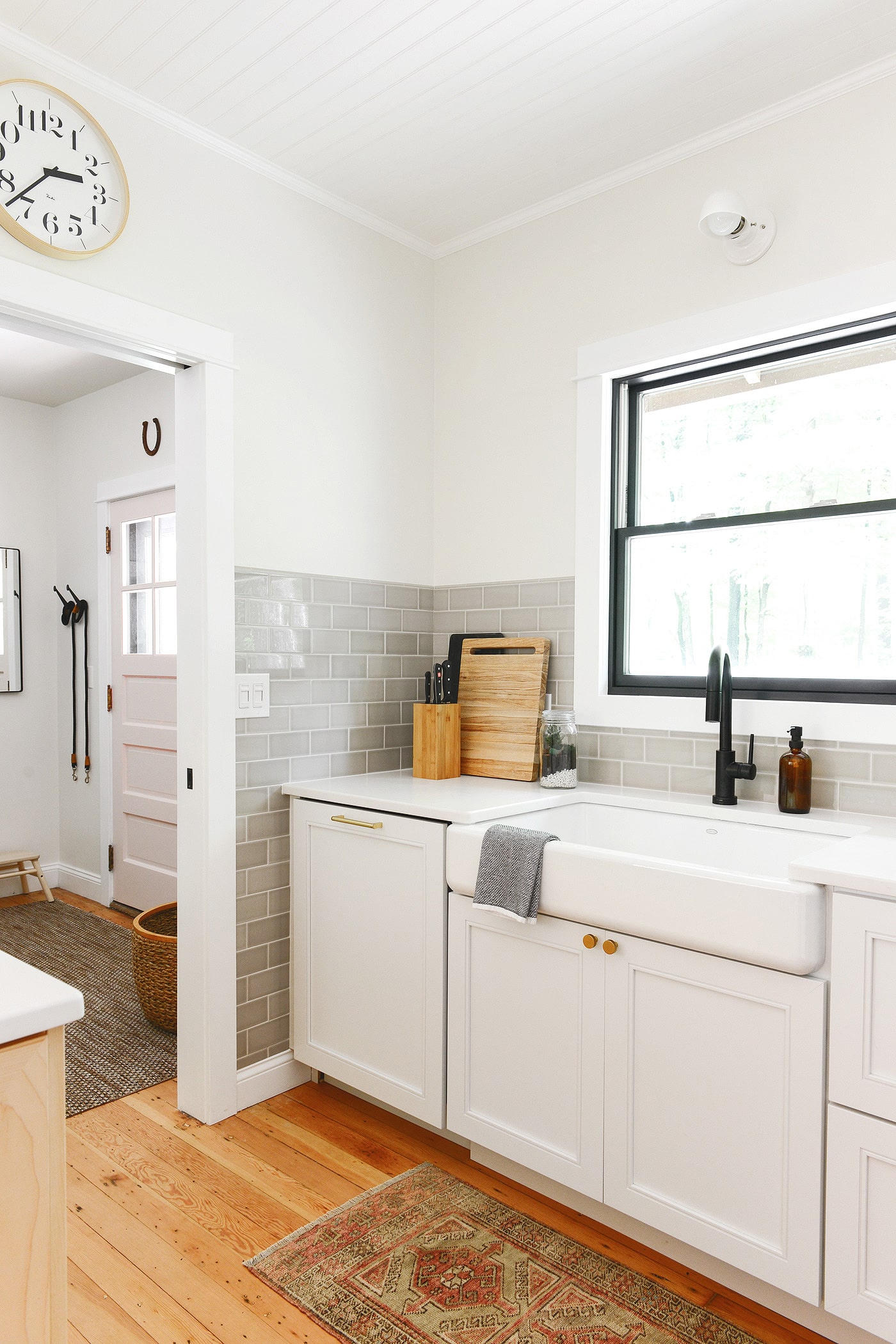
Panel-ready dishwashers offer the ultimate in kitchen design, blending invisibly with your cabinetry for a seamless, high-end look.
Seamless Cabinet Integration
Panel-ready models accept custom wood or laminate panels that match your existing kitchen cabinets perfectly. When closed, these dishwashers appear as ordinary cabinet doors, creating a unified aesthetic ideal for modern, minimalist, or open-concept designs.
This integration makes the dishwasher virtually invisible, allowing your cabinetry to take center stage without visible appliances interrupting the visual flow.
Custom Panel Requirements
Unlike standard built-ins, panel-ready units do not include a front door panel. You must order custom panels separately from your cabinet maker, adding cost and requiring precise measurements for proper alignment with adjacent cabinets. Professional installation is recommended to ensure perfect leveling and plumbing connections.
The result, however, is a visually seamless kitchen that maximizes both resale value and design appeal.
Performance Matches Standard Built-ins
Internally, panel-ready dishwashers perform identically to their non-panel counterparts. You get the same stainless steel interiors, soil sensors, adjustable racks, third racks, and WiFi connectivity. The only difference is the exterior appearance.
This means you sacrifice nothing in functionality while gaining significant design flexibility.
Ideal for Luxury Kitchens
These units shine in custom renovations, high-end homes, and designer kitchens. If you are investing in premium cabinetry and want a cohesive look throughout your space, a panel-ready dishwasher delivers the sophistication you seek.
They work particularly well in drawer-style configurations, allowing full integration of dual-drawer systems.
Cost Considerations
Expect to pay $200 to $500 more than a standard built-in model for the panel-ready version. Custom panels add another $300 to $800, plus professional installation costs. While more expensive upfront, the visual impact and resale value often justify the investment for discerning homeowners.
Portable Dishwashers
Portable dishwashers provide flexibility for renters, small spaces, and temporary kitchen setups without requiring permanent installation.
No Permanent Plumbing Required
Portable units roll on casters and connect to your kitchen sink via a hose adapter. They draw water from and drain back into the faucet during each cycle. After washing, simply disconnect the hoses and roll the unit away for storage.
This design requires no modifications to plumbing or cabinetry, making it perfect for apartments, dorms, or temporary kitchens.
Mobility & Storage
Weighing 60 to 80 pounds, portable dishwashers are designed for easy movement. Their compact size, typically 22 to 24 inches tall, fits under most countertops when stored. You can use them in RVs, guest houses, or during kitchen renovations when your built-in unit is unavailable.
The mobility factor makes them ideal for anyone who moves frequently or lacks permanent housing.
Capacity Limitations
Portable models handle 6 to 8 place settings, suitable for singles, couples, or light daily use. Most feature two racks but rarely include third racks. Loading flexibility is limited, so oversized pots or deep pans may not fit in the compact chamber.
If you frequently cook for large groups, a portable model may feel constraining.
Setup Requirements
Each use requires rolling the unit to the sink, attaching water inlet and drain hoses, turning on the faucet adapter, and starting the cycle. Afterward, you must disconnect everything and store the unit. This routine can become tedious for daily users.
Ensure your faucet has a threaded end compatible with the adapter. Some models include diverter valves, while others require a special faucet insert.
Drying Performance
Portable models often struggle to dry plastic items effectively. Without heated dry cycles or fan-assisted drying, dishes may require towel drying. Stainless steel interiors help somewhat, but most portables use plastic tubs to reduce cost and weight.
If air-drying frustrates you, this is an important consideration.
Best Use Cases
Portable dishwashers excel in specific situations.
Renters who cannot modify plumbing benefit most from this option. Small kitchens lacking space for a built-in unit find portables practical. Temporary setups during renovations work well. Secondary kitchens in basements or in-law suites become more functional.
A portable unit may lack bells and whistles but provides perfect functionality for the right situation.
Dishwasher Drawers
Dishwasher drawers offer ultimate flexibility with independent washing compartments in compact, modern units.
Single or Dual Drawer Options
Most models come as dual-drawer systems, with two independent compartments stacked in one cabinet opening. Each drawer operates separately, allowing different cycles to run simultaneously. Single drawer models exist but are less common and typically serve as supplemental units.
This flexibility addresses one of the biggest complaints about traditional dishwashers: waiting for full loads.
Independent Operation Benefits
Each drawer functions as its own dishwasher. You can run a heavy wash in the top drawer for pots and pans while using a delicate cycle in the bottom drawer for wine glasses. Wash one drawer while the other dries, eliminating the need to wait for full loads and saving water and energy.
This independence makes dishwasher drawers particularly appealing for varied household needs.
Compact Yet Efficient
Each drawer holds approximately 6 to 8 place settings, similar to a portable unit. However, because they are permanently installed, they offer better performance, quieter operation, and superior drying compared to portables. Running one drawer uses less water and energy than a full-sized machine.
This efficiency makes drawers ideal for singles, couples, or light users who want full functionality without waste.
Modern Design Features
Drawers mount flush with cabinetry and often feature hidden controls on the top edge. Some high-end models project indicator lights onto the floor, showing cycle status or remaining time. Panel-ready versions allow full integration into custom kitchens for a completely seamless appearance.
The aesthetic appeal matches the functional benefits.
Superior Drying Performance
Compact chambers retain heat better than full-sized units, improving drying performance significantly, especially for plastic items. Many models include stainless steel interiors, soil sensors, adjustable racks, and WiFi connectivity. Smart features enable remote start, cycle monitoring, and maintenance alerts via smartphone apps.
This combination of design and technology appeals to modern homeowners.
Ideal Users
Dishwasher drawers suit specific households best.
Singles or couples who rarely need full loads benefit from running one drawer at a time. Frequent entertainers who wash dishes at different times appreciate the flexibility. Tech-savvy homeowners want smart integration. Modern kitchen designs emphasizing innovation and aesthetics align perfectly with drawer systems.
Brands like Bosch, Fisher & Paykel, and Miele lead this category.
Cost Considerations
Dual-drawer systems cost $1,500 to $3,000, significantly more than standard built-ins. While efficient per load, the total capacity is less than a full-sized dishwasher. Not ideal for large families or heavy daily use.
However, for targeted cleaning and design appeal, dishwasher drawers are unmatched in the right household.
Key Features to Compare Before Buying
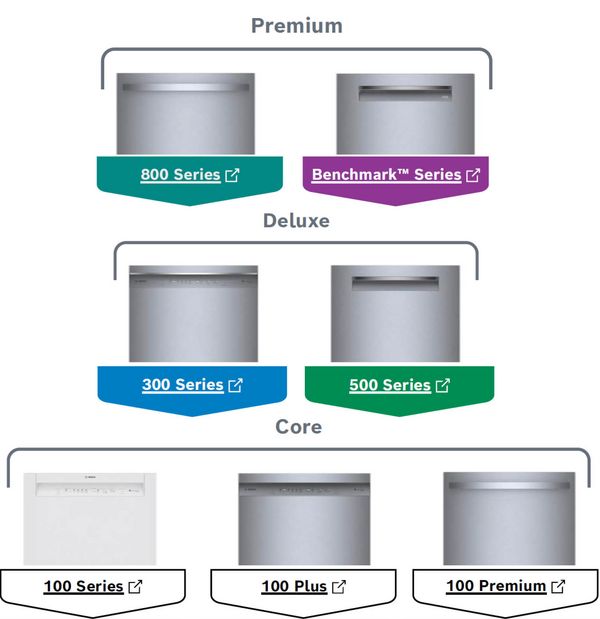
Beyond type, specific features determine real-world performance and satisfaction.
Stainless Steel Interior
This improvement enhances drying, durability, and odor resistance. You will find stainless steel in mid to high-end models across all types except most portables.
Adjustable Upper Rack
Vertical adjustment accommodates tall items like blenders or wine glasses. This feature is common in built-in and drawer models priced over $700.
Soil Sensor Technology
These sensors detect food residue and automatically adjust cycle time, temperature, and water use. They eliminate guesswork and save resources. Soil sensors are standard on most Energy Star models.
Third Rack
The third rack adds valuable storage for silverware, lids, and small tools. Found in premium built-ins and drawer models, it increases organization and frees space below.
Manual vs Self-Cleaning Filter
Manual filters need cleaning every few weeks but prove more reliable long-term. Self-cleaning grinders pulverize debris with less maintenance but may clog if large food scraps enter. Choose based on your cleaning habits and willingness to perform upkeep.
WiFi and Smart Controls
These features enable remote start, notifications, and energy tracking. They require stable WiFi and app setup, adding convenience but not essential functionality for most users.
How to Choose the Right Type for Your Needs
Matching your dishwasher to your specific situation ensures satisfaction.
Match to Kitchen Layout
Standard kitchens accommodate built-in or panel-ready models at 24 inches width. Small kitchens benefit from portable units or 18-inch compact models. Custom cabinetry calls for panel-ready integration. Open floor plans require quiet models under 45 decibels or drawers with floor projection indicators.
Consider Household Size
One to two people benefit from dishwasher drawers or compact models. Three to four people need standard built-ins with third racks. Five or more people require high-capacity built-ins with adjustable racks and maximum settings.
Think About Lifestyle
Renters should choose portable units requiring no installation. Homeowners benefit from built-in or drawer permanence. Frequent entertainers appreciate dual drawers for staggered washing. Tech users enjoy WiFi-enabled models for smart control.
Set a Realistic Budget
Under $500 gets you entry-level built-ins or portables with fewer features, plastic tubs, and louder operation. The $500 to $1,000 range delivers the best value with stainless steel, quiet performance, and reliable cleaning. Above $1,000 offers premium finishes, smart technology, ultra-quiet operation, and panel-ready options.
Prioritize cleaning and drying performance over additional features. A simple, reliable model often outperforms a feature-packed but poorly designed unit.
Frequently Asked Questions About Types of Dishwashers
What is the most common type of dishwasher?
Built-in dishwashers are the most common type found in modern homes. They offer permanent installation, high capacity, and powerful cleaning performance. These units fit standard 24-inch cabinet openings and connect to your home’s plumbing.
Which dishwasher type is best for small kitchens?
Portable dishwashers work best for small kitchens where permanent installation is not feasible. They roll away after use, requiring no permanent space. Dishwasher drawers also suit small spaces well, offering flexible partial-load washing.
Are panel-ready dishwashers worth the extra cost?
Panel-ready dishwashers are worth the investment if you prioritize seamless kitchen design and have custom cabinetry. They blend completely with your cabinets, creating a high-end aesthetic. However, they cost $200 to $500 more plus custom panel expenses.
How much should I expect to spend on a reliable dishwasher?
Most households find the best value in the $500 to $1,000 range. This price point offers stainless steel interiors, quiet operation, soil sensors, and reliable cleaning performance. Premium models exceeding $1,000 add smart features and ultra-quiet operation.
Do dishwasher drawers really save water and energy?
Yes, dishwasher drawers save water and energy when washing partial loads. Running one drawer uses significantly less water than a full-sized dishwasher. This efficiency makes them ideal for singles, couples, or light daily use.
Which brands are most reliable long-term?
Based on consumer surveys, the most reliable brands are Bosch, Miele, Thermador, Beko, and Midea. These brands consistently outperform others in cleaning, drying, and durability over five or more years of use.
Key Takeaways: Finding Your Perfect Dishwasher
Choosing the right type of dishwasher depends on your specific circumstances. Built-in models suit most households seeking permanent, high-capacity cleaning. Panel-ready units serve homeowners wanting seamless cabinet integration. Portable dishwashers help renters and those with temporary needs. Drawer systems address small households wanting flexible, efficient partial-load washing.
Prioritize cleaning and drying performance over extra features. A reliable model in the $500 to $1,000 range typically outperforms expensive but poorly designed alternatives. Consider your household size, kitchen layout, and budget before making a decision.
No dishwasher is perfect, but the right type makes daily life easier, cleaner, and more efficient. Take time to evaluate your needs honestly, and you will find a model that serves your household well for years to come.