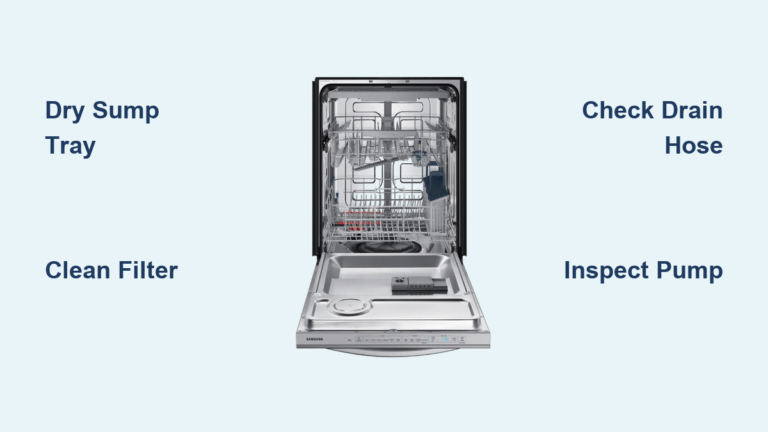

Bosch Dishwasher Not Cleaning? Fix It Fast
If your Bosch dishwasher isn’t cleaning properly, you’re not alone. Despite their reputation for quiet operation and efficiency, many Bosch owners report dishes coming out with baked-on food, cloudy glassware, or gritty residue after just 3 to 4 years of use. The good news? In most cases, the problem isn’t a broken machine. It’s a fixable issue related to clogged filters, blocked spray arms, poor detergent choice, or incorrect loading.
This guide gives you a step-by-step action plan to diagnose and resolve your Bosch dishwasher not cleaning issue. You’ll learn how to restore full cleaning power, prevent future problems, and know when it’s time to call Bosch support. Whether you’ve noticed a gradual decline over months or a sudden drop in performance, these proven fixes will get your dishes spotless again.
Clean the Filter System Monthly
The number one cause of poor cleaning in Bosch dishwashers is a clogged or improperly seated filter. This multi-part system traps food debris, but when neglected, it restricts water flow, reduces spray pressure, and causes soil to redeposit on dishes.
Remove and Disassemble the Filter
- Pull out the lower rack to access the sump at the bottom.
- Turn the filter assembly one-quarter turn clockwise and lift it straight out.
- Separate the components: coarse filter (bottom basket), fine mesh cylindrical filter (top), and back section (often holds hidden gunk).
Deep Clean All Filter Parts
Rinse each piece under hot running water. Use a soft-bristle brush or toothbrush to scrub away buildup. For stubborn grease, apply Dawn Power Wash or degreaser. Spray evenly, let sit 1 to 2 minutes, then scrub until clean. Pay special attention to the back section, as it traps paper fibers and food sludge most users miss.
Reinstall the Filter Correctly
Stack filters with fine mesh inside the coarse basket. Align the arrow on the base to point downward. Insert into the sump, turn one-quarter turn counter-clockwise to lock, and press down firmly until secure.
An improperly seated filter is a silent killer. It causes leaks, poor cleaning, and can damage the pump. Always verify it’s locked and flush with the sump.
Unblock the Spray Arms Completely
Blocked spray arms mean weak water pressure and uneven coverage, especially on the top rack and tall items. Even a few clogged nozzles can reduce cleaning power by up to 70 percent.
Remove Upper and Middle Spray Arms
Unscrew the locking nut by turning it counterclockwise. Pull the arm straight up to remove it from the dishwasher.
Inspect and Clear All Nozzles
Rotate the arm and examine every jet hole. Use a cocktail stick, toothpick, or needle-nose pliers to remove food, paper, or tea bag fragments. For limescale buildup, soak in white vinegar for 10 to 15 minutes, then gently scrub with a soft brush. Never use metal wires, as they can damage nozzle seals.
Flush and Reinstall
Rinse under tap water while rotating to ensure full clearance. Shake out trapped water. Reinstall by inserting the shaft and tightening the nut until snug, then a quarter-turn to lock. Test rotation: it should spin freely without scraping.
If the upper rack glasses are consistently dirty, check the middle spray arm. It’s critical for tall items and often overlooked.
Use the Right Detergent and Rinse Aid
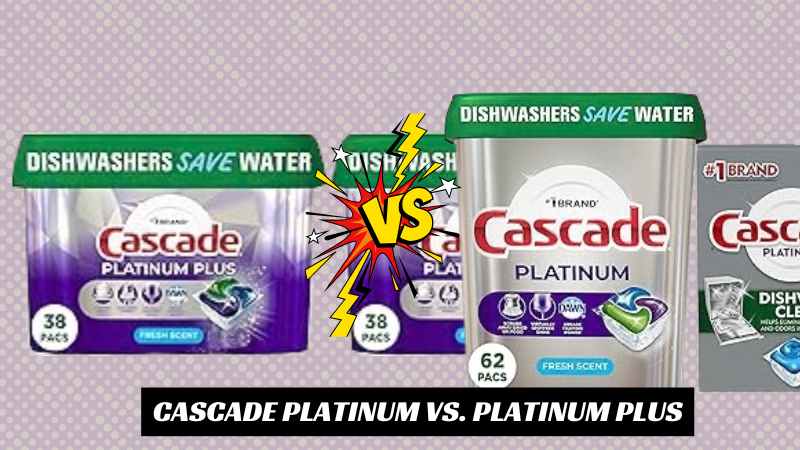
Detergent choice is not optional. It directly impacts cleaning, especially in Bosch’s low-water, high-efficiency design.
Choose High-Performance Detergent
Best options include Cascade Complete ActionPacs and Cascade Platinum Tablets. Avoid low-phosphate or eco-friendly tablets and store-brand green detergents, as they lack enzymes for grease and protein breakdown.
Switch to Liquid or Powder If Pods Don’t Dissolve
Undissolved pods equal no cleaning power. This is common in hard water or low-temperature cycles. Liquid gel or powder dissolves more reliably and delivers consistent results.
Never Skip Rinse Aid
Rinse aid prevents water spots, improves drying, and reduces mineral buildup. Fill the dispenser to the indicator line. Refill every 4 to 6 weeks or when the cap turns transparent. Adjust dosage based on water hardness (settings 1 through 6 in the manual).
Rinse aid isn’t just for shine. It prevents grit and film buildup over time, keeping dishes looking new.
Load Dishes the Right Way
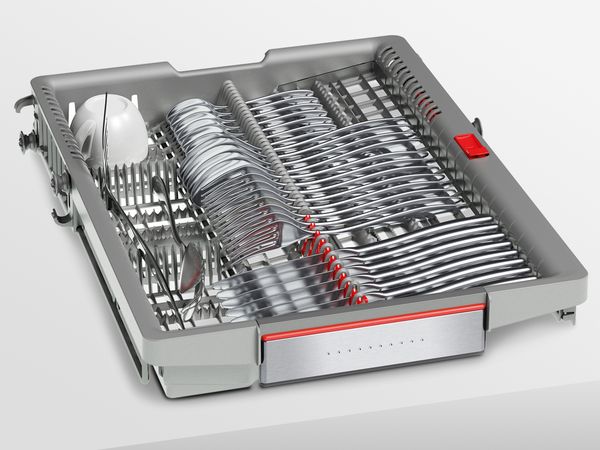
Even perfect settings cannot fix bad loading. A single mispositioned item can block spray arms or shield dishes from water.
Bottom Rack: Maximize Spray Coverage
Plates and bowls should load vertically, facing center. Pots and pans go open-side down in the center. Cutting boards and trays position along the sides to avoid blocking spray arms.
Top Rack: Prevent Shadowing
Cups and glasses angle downward for drainage. Plastic containers always go on the top rack, as bottom heat can warp them. Leave space between items to allow water to reach all surfaces.
Cutlery Basket: Avoid Nesting
Alternate forks, spoons, and knives to prevent blocking. Place sharp knives blade-down for safety. Use divided drawers if available.
Nothing should touch or block the spray arms. Even slight contact stops rotation and kills cleaning performance.
Select the Correct Wash Cycle
Bosch uses AquaSensor to detect soil levels, but selecting the wrong program overrides smart logic and leads to poor results.
Match Cycle to Soil Level
Use Eco 50°C or Auto Light for light soiling (glasses, cups) at 50°C. Choose Auto Heavy for moderate soil (plates, mixed load) at 60 to 65°C. Select Intensive or Pots & Pans for heavy soil (baked-on food, greasy pans) at 70°C.
Avoid VarioSpeed for Tough Loads
VarioSpeed Plus cuts cycle time by up to 50 percent but reduces wash and rinse phases. Use it only for lightly soiled loads.
Running Eco mode for dirty pots means insufficient heat and time. Grease will not emulsify, and food stays stuck.
Test Water Heating with the Steam Check
Detergents need water above 120°F (49°C) to activate. If your dishwasher is not heating, cleaning fails no matter what else you do.
Perform the 20-Minute Steam Test
Start a standard cycle such as Auto Heavy. After 20 minutes, pause and open the door. A strong burst of steam indicates heating is working. No steam means a problem with inlet water temperature, heating element, thermostat, or control board.
Lack of mid-cycle steam is a reliable indicator of heating system failure. If no steam appears, contact Bosch support.
Clear Drain and Air Gap Issues
Standing water, musty smells, or diluted detergent can all stem from poor drainage, which compromises cleaning chemistry and recirculation.
Check the Filter Seal
After cleaning, ensure the filter is fully locked and seated. A loose filter allows leaks and reduces pump suction.
Clean the Air Gap
The air gap is located near the sink faucet or in the countertop. Remove the cap with a flathead screwdriver. Clear out mold, sludge, or food debris inside the chamber.
Inspect the Drain Hose
Check for kinks or sags under the sink. Ensure a high loop is installed to prevent backflow. Disconnect and flush if clogged.
Poor drainage means dirty water stays in the system, reducing cleaning power and leaving residue.
When Motor Failure Is Likely
If you have cleaned the filter, cleared spray arms, used the right detergent, loaded correctly, and still get dirty dishes, the issue may be internal motor wear.
Signs of Motor Degradation
Watch for spray arms showing weak or no rotation. No improvement after full maintenance is a red flag. Unit age of 3 to 4 years is common for wear-out. Dishes consistently dirty despite correct settings indicate motor problems.
Motor issues cannot be fixed by users. The pump-motor assembly is sealed and requires professional replacement.
Follow a Maintenance Schedule
Bosch’s high-efficiency cleaning relies on recirculated water and multi-stage filtration, so regular upkeep is non-negotiable.
Monthly Tasks
Clean the filter assembly. Wipe the door gasket. Check that the detergent dispenser opens freely. Verify spray arms rotate freely.
Every 1 to 2 Months
Inspect and clean spray arm nozzles. Run a cleaning cycle with white vinegar (1 cup in a bowl on the top rack) or Bosch dishwasher cleaner for descaling.
Every 4 to 6 Weeks
Refill rinse aid. Check water hardness setting and adjust if needed.
Biannually
Inspect the air gap and drain hose. Confirm high-loop installation.
Set phone reminders. Maintenance is easy to forget but critical for long-term performance.
Contact Bosch Support If All Else Fails
If every fix has been tried and your dishwasher still is not cleaning, it is time for professional help.
Before You Call: Confirm These
Verify that the filter is clean and properly installed. Confirm spray arms rotate freely and are unclogged. Ensure you are using Cascade Platinum or equivalent detergent. Check that rinse aid is filled and set correctly. Verify dishes are loaded properly. Confirm correct wash program selected. Ensure the steam test passed (heating works).
Have your model number (inside door frame) and purchase date ready. Bosch offers remote diagnostics and technician dispatch. If motor failure is confirmed, parts and labor may be covered under warranty.
Frequently Asked Questions About Bosch Dishwasher Not Cleaning
Why does my Bosch dishwasher leave food residue on dishes?
Food residue usually stems from a clogged filter, blocked spray arms, or incorrect detergent. Start by cleaning the filter monthly and clearing all spray arm nozzles. Use high-performance detergent like Cascade Platinum to ensure proper cleaning.
How often should I clean my Bosch dishwasher filter?
Clean the filter assembly at least monthly. For heavy use or if you notice cleaning decline, clean it weekly. Many users overlook the back section of the filter, which traps significant hidden buildup.
What is the best detergent for Bosch dishwashers?
Cascade Complete ActionPacs and Cascade Platinum Tablets perform best in Bosch dishwashers. Avoid low-phosphate or eco-friendly tablets, as they lack the enzymes needed to break down grease and proteins effectively.
Why are my glasses cloudy after washing in my Bosch dishwasher?
Cloudy glassware typically results from hard water mineral buildup or insufficient rinse aid. Fill the rinse aid dispenser to the indicator line and adjust the dosage setting based on your water hardness (settings 1 through 6).
How do I know if my Bosch dishwasher heating element is broken?
Perform the 20-minute steam test. Start a normal cycle, wait 20 minutes, then open the door. No steam indicates the heating element is not working. Contact Bosch support if this test fails.
Can I use generic or eco-friendly detergent in my Bosch dishwasher?
Generic and eco-friendly detergents often underperform. They lack sufficient enzymes and chelating agents for Bosch’s high-efficiency system. Stick with premium options like Cascade for reliable cleaning results.
Key Takeaways for Fixing Your Bosch Dishwasher Cleaning Issues
Your Bosch dishwasher is designed to deliver spotless, dry dishes every time, but only if maintained properly. Clean the filter monthly, clearing all components including the often-missed back section. Clear spray arm nozzles regularly, using vinegar for limescale buildup. Use Cascade Platinum or Complete ActionPacs and avoid eco-friendly tablets that lack cleaning power. Load dishes vertically with nothing blocking spray arm rotation. Select Intensive cycle for heavily soiled loads, not Eco mode. Verify heating works with the steam test. Clear air gaps and drain hoses to prevent drainage issues.
By following these steps, you will fix 95 percent of cleaning issues and extend your appliance’s life for years. Do not accept half-clean dishes. Take action today and get back to flawless results.