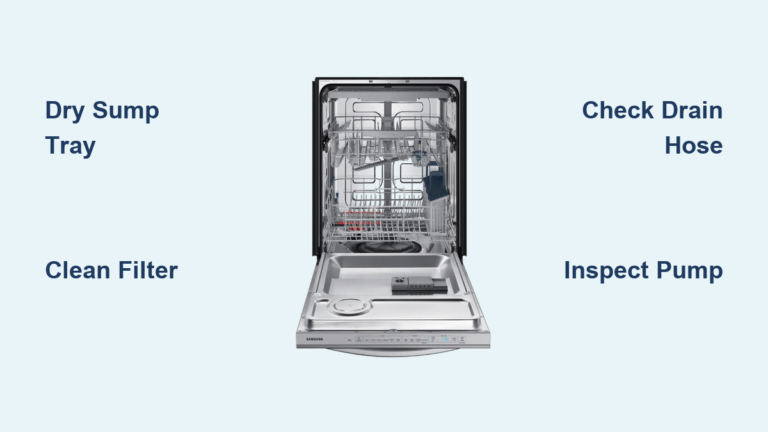
Dishwasher Detergent Door Not Opening? Fix It Fast
You start your dishwasher, walk away, and come back to find the detergent cup still closed, soap untouched, dishes dirty. It is a common frustration: the dishwasher detergent door not opening. This issue does not just waste detergent. It leaves your dishes unclean because the cleaning cycle never really started.
The good news is that in most cases, this problem is not a sign of major appliance failure. Over 70% of incidents are caused by simple issues like blocked doors, soap buildup, or incorrect loading. With a few targeted checks and basic tools, you can diagnose and fix the issue yourself, often in under 30 minutes.
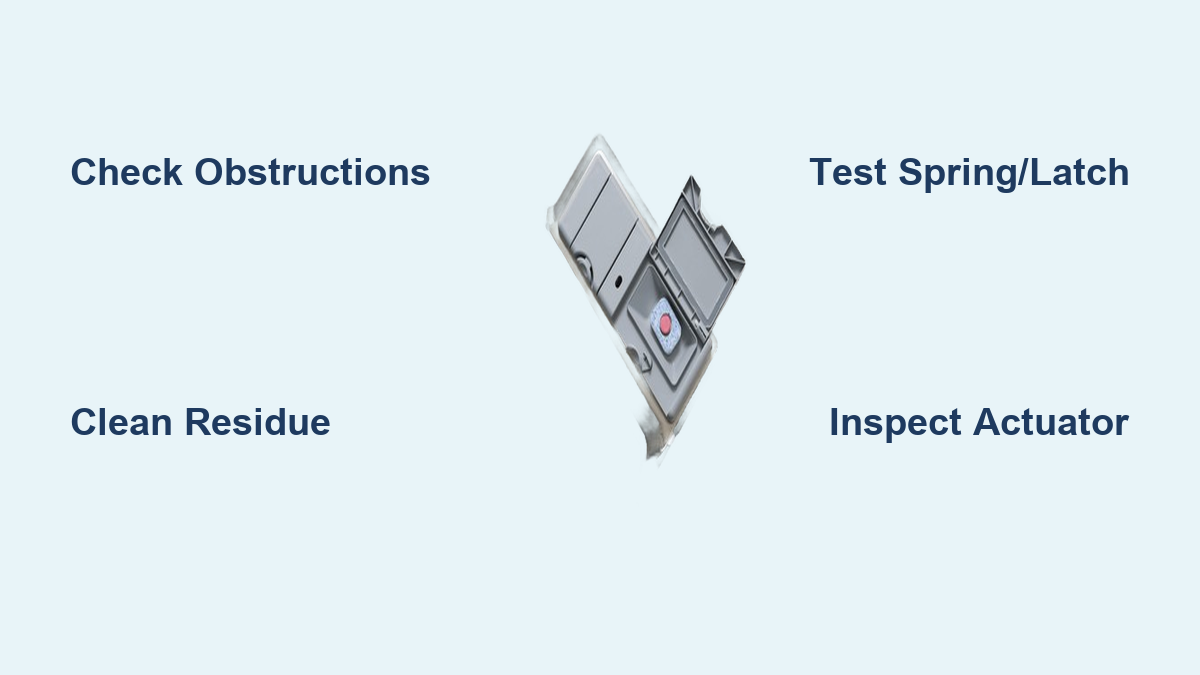
Check for Dish Obstructions First
One of the top reasons the detergent door will not open is physical blockage from improper dish loading. Tall items like baking sheets, cutting boards, or large pots placed in front of the lower rack can press against the dispenser, preventing it from releasing.
Rearrange Dishes to Clear the Dispenser
Even utensil trays or stacked plates near the front center may interfere. The door needs unobstructed space to swing open during the wash cycle.
What to look for:
• A baking sheet leaning over the detergent cup
• Glasses or mugs too close to the door
• Overloaded flatware basket blocking the latch
Fix it fast:
1. Remove all racks.
2. Inspect the area around the detergent dispenser, which is located at the front center of the lower rack.
3. Ensure at least 2 to 3 inches of clearance in front of the door.
4. Reload dishes with large items along the sides or back.
Run a test cycle with no detergent to confirm the door opens. If it does, the issue was obstruction.
Clean Detergent Residue Immediately
Hardened detergent buildup is a silent culprit. Over time, powder, gel, or leaking pods leave behind a cement-like crust inside the dispenser. This residue binds moving parts, stops the spring from releasing, and mimics mechanical failure.
Remove Crusted Soap from Tracks and Latch
Humid environments and hard water make this worse. Mineral deposits combine with soap to form scale that gums up hinges and seals.
Signs of buildup:
• Door sticks when manually opened
• White or gray crust around the latch
• Gummy residue on the cup edges
Scrub the Dispenser Thoroughly
Follow these steps to deep clean:
- Empty the dishwasher and remove racks.
- Wipe loose debris with a damp microfiber cloth.
- Dip an old toothbrush in warm, soapy water and scrub the inside of the detergent cup, around the latch mechanism, spring tension points, and hinge crevices.
- For stubborn deposits, use a vinegar soaked brush or affresh Dishwasher Cleaner.
- Rinse with clean water and dry completely with a lint free towel.
Test the release:
Press the latch button, usually blue or gray. The door should snap open instantly. If it is slow or sticks, repeat cleaning. Moisture left behind can reharden detergent, so always dry fully before reloading.
Test the Door Spring and Latch
Even with perfect loading and cleanliness, internal components wear out. The spring, latch, or hinge may break, stretch, or lose tension, especially after years of use.
Replace Broken or Weak Mechanical Parts
Symptoms of mechanical failure:
• Door wobbles or hangs loosely
• No click when closing
• Manual release feels loose or stuck
• Tapping the door sometimes triggers opening
Inspect Key Components
- Open the detergent cup and press the latch.
- Watch how the door moves. Does it spring open? Is there resistance?
- Look for a detached or stretched spring, cracked plastic on the latch, or corroded pivot points.
If any part looks damaged, replacement is needed.
Repair vs. Replace the Assembly
• Whirlpool and KitchenAid models often support DIY latch and spring kits priced at $15 to $30. These include instructions and require only a screwdriver.
• GE, Frigidaire, and Maytag dispensers are usually integrated into the full dispenser unit, so no individual parts are available and full replacement is required.
• Cove has no user-serviceable repairs. Contact factory certified service.
Diagnose Wax Motor or Solenoid Failure
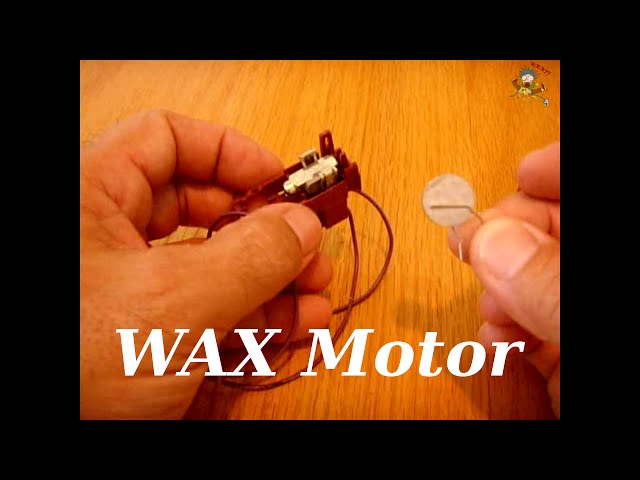
Modern dishwashers use an electric actuator to release the detergent latch at the right moment. Two types exist: wax motors and solenoids. Knowing which your model uses helps pinpoint failure.
Identify Your Actuator Type
| Feature | Wax Motor | Solenoid |
|---|---|---|
| Common Brands | Bosch, Miele, Thermador | GE, Whirlpool, Frigidaire |
| Response Time | 45 to 90 seconds delay | Instantaneous |
| Sound | Soft pop or click | Sharp clack |
A delayed release is normal for wax motors. Do not assume failure if the door opens late.
Test Actuator Resistance with Multimeter
Tools needed: Digital multimeter
For Wax Motors:
Expected resistance is 1,400 to 2,800 ohms. Disconnect power and locate the wiring harness near the door hinge. Probe the terminals connected to the actuator. A reading of OL, meaning infinite, indicates a failed unit.
For Solenoids:
Expected resistance is 300 to 400 ohms. The same procedure applies. An OL reading indicates coil burnout.
Replacement options:
Standalone wax motor or solenoid costs $30 to $60 and is available for some models. Often sold as part of the full dispenser, which costs $80 to $150 or more.
Check Control Board and Wiring
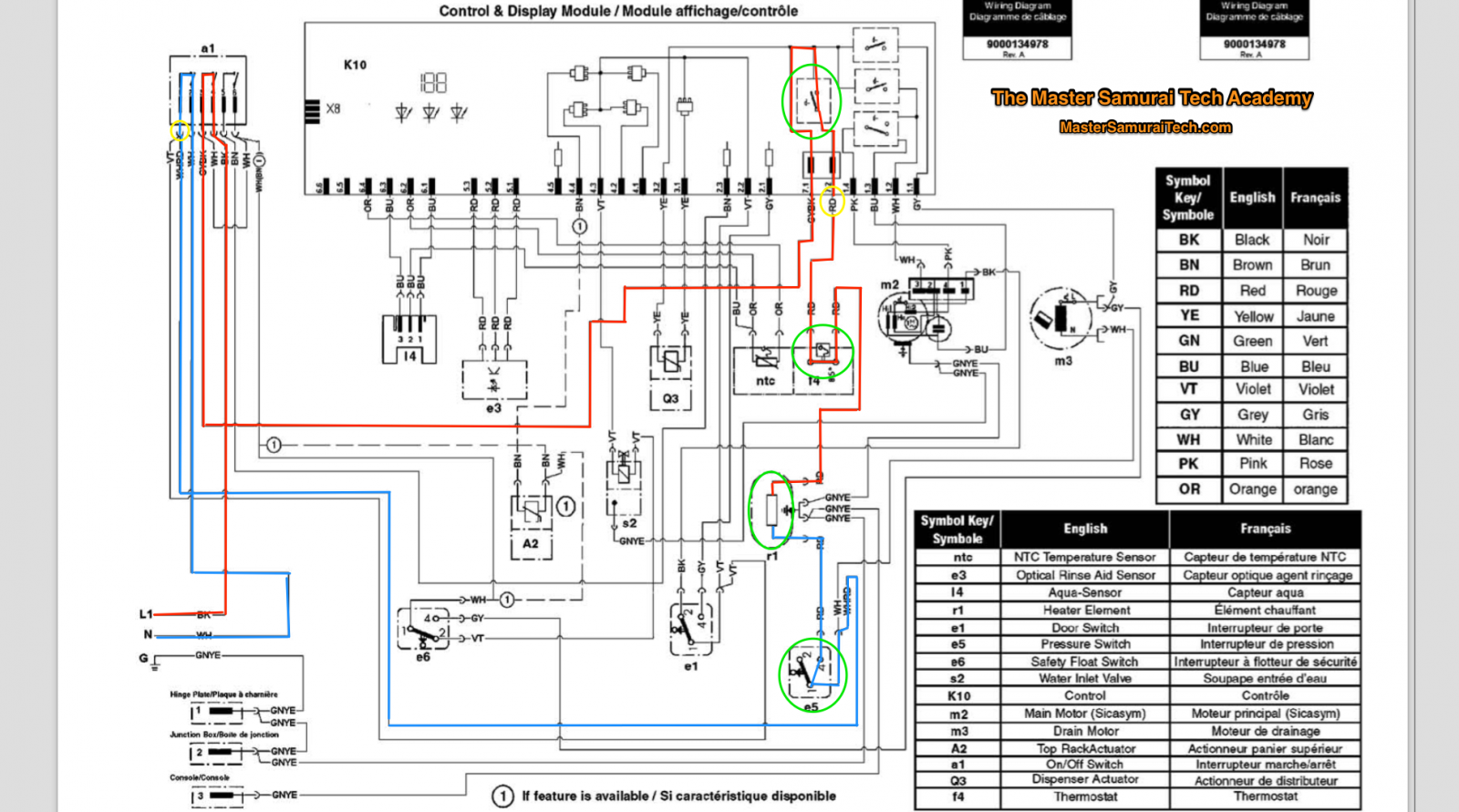
The main control board sends the signal to activate the actuator. If it fails, no command is sent and the detergent door stays shut.
Rule Out Electrical Signal Issues
But control board failure is rare and accounts for less than 5% of cases. Always rule out simpler causes first.
Signs the board may be faulty:
• Multiple malfunctions, such as not starting, wrong cycle, or error codes
• No sound from dispenser during cycle
• Other components like pump or heater not working
Verify Power Delivery
Before replacing the board, which costs $150 to $300, check:
- Voltage at dispenser harness during the cycle. Use a multimeter in AC voltage mode and probe the wires while the dishwasher runs. It should read approximately 120V when release is expected.
- Inspect wiring near the door hinge. Repeated opening and closing can fray wires. Look for cracked insulation or broken conductors.
- Check for water damage. Open the control panel after unplugging and look for corrosion, bulging capacitors, or burn marks.
Only replace the board if no voltage reaches the actuator, the actuator tests good, and wiring is intact.
Inspect Rinse Aid Cap Interference
A lesser known cause is that the rinse aid cap can physically block the detergent door.
Remove Damaged or Misaligned Caps
If the cap is cracked, swollen, or not seated properly, it may protrude into the detergent cup path. When the latch releases, the door hits the cap and cannot swing open.
How to check:
1. Open the rinse aid compartment.
2. Ensure the cap closes flush and is not warped.
3. Remove the cap temporarily and run a test cycle.
If the detergent door opens without the cap, replace it.
Address Model Specific Issues
Each brand handles dispenser mechanics differently. Here is what to know:
Bosch and Miele (Wax Motor Systems)
• Normal delay is 45 to 90 seconds
• Wax motors degrade over time, so replace if resistance is out of spec
• Full dispenser replacement is often required
• High reliability but expensive repairs
Whirlpool and KitchenAid (Solenoid and Repair Kits)
• Spring and latch kits are available for $15 to $30
• DIY friendly designs
• Common issue is broken latch tab due to repeated force
GE and Frigidaire (Sealed Units)
• Many models have non-repairable dispensers
• Solenoid burnout is frequent
• Full replacement costs $100 or more
• High user frustration due to design limitations
Maytag
• Uses solenoid actuators
• Genuine parts are recommended
• No individual springs, so replace the entire assembly
Cove
• Rinse and Hold cycle does not open the detergent door by design
• Push button on dispenser can jam
• No user replaceable parts
• Contact Factory Certified Service at 800.222.7820
Prevent Future Failures
Avoid repeat issues with simple habits:
• Clean the detergent cup monthly, even if it looks clean
• Dry the compartment before adding detergent
• Use high quality pods to reduce residue
• Avoid liquid soap unless the dispenser is cleaned frequently
• Store detergent in an airtight container
• Run hot water in the sink before starting the cycle to help wax motors activate faster
• Use affresh or vinegar cleaner monthly
Use the Tape Test to Confirm Operation
Many users assume the detergent released, only to find it intact later. There is no visual alert when the door fails.
Verify the Door Actually Opens
Do the tape test:
1. Place a small piece of adhesive tape over the closed detergent door.
2. Start the dishwasher.
3. At the end of the cycle, check the tape. If the tape is broken or missing, the door opened. If the tape is still sealed, the door did not open.
This simple trick confirms whether your fix worked or if further diagnosis is needed.
Decide: Repair or Replace
Not every dishwasher is worth fixing. Ask these questions:
| Factor | Repair If | Replace If |
|---|---|---|
| Age | Under 5 years | Over 7 years |
| Part Cost | Under $100 | Over $150 |
| Labor Cost | Less than $100 | Exceeds $150 |
| Design | Repairable parts available | Sealed, non-serviceable unit |
| Warranty | Still active | Expired |
| Failure History | First-time issue | Multiple past repairs |
Example: A 3-year-old Whirlpool with a $25 latch kit is worth repairing. A 6-year-old GE with a $120 sealed dispenser suggests considering replacement.
Final Checklist Before You Call a Tech
• Manually test whether the door snaps open
• Confirm 2 to 3 inch clearance in front of dispenser
• Clean all soap residue and dry thoroughly
• Inspect spring and latch for damage
• Test actuator resistance with multimeter
• Check wiring near door hinge for breaks
• Verify voltage at dispenser during cycle
• Confirm correct cycle is selected, not Rinse and Hold
• Run tape test to confirm operation
If all checks pass but the door still will not open, the issue is likely a failed control board or deep electrical fault. Call a certified technician. For Cove and other sealed models, skip DIY and contact Factory Certified Service directly.
Frequently Asked Questions About Dishwasher Detergent Door Not Opening
Why does my dishwasher detergent door not open during the wash cycle?
The most common causes are physical obstructions from improperly loaded dishes, hardened detergent residue blocking the mechanism, or a broken spring and latch assembly. Electrical issues like a failed actuator or control board are less common but possible.
How do I know if the detergent door actually opened during the cycle?
Use the tape test. Place a small piece of adhesive tape over the closed detergent door before starting the cycle. If the tape is broken or missing afterward, the door opened. If the tape is still sealed, the door did not open.
Can I replace just the spring or latch on my dishwasher?
It depends on your brand. Whirlpool and KitchenAid offer DIY repair kits for $15 to $30 that include springs and latches. Most other brands, including GE, Frigidaire, and Maytag, require full dispenser replacement because individual parts are not sold separately.
How do I test if my dishwasher actuator is working?
Use a digital multimeter set to resistance mode. For wax motors, expect 1,400 to 2,800 ohms. For solenoids, expect 300 to 400 ohms. Disconnect power first, locate the wiring harness near the door hinge, and probe the actuator terminals. An OL or infinite reading indicates a failed unit.
Is it worth repairing a dishwasher with a stuck detergent door?
If the appliance is under 5 years old and the repair costs under $100, it is usually worth fixing. If the dishwasher is over 7 years old or repair costs exceed 30% of a new unit price, replacement is the smarter choice.
Why does my Cove dishwasher detergent door never open?
Cove dishwashers have specific behaviors. The Rinse and Hold cycle does not activate the detergent dispenser by design. Make sure you are using a main wash cycle. If the door still will not open, the solenoid may have failed or the push button may be jammed. Cove has no user-serviceable parts, so contact Factory Certified Service at 800.222.7820.
Key Takeaways for Fixing Your Dishwasher Detergent Door

The dishwasher detergent door not opening is usually a simple fix. Start with checking for dish obstructions and cleaning detergent residue, because these two causes account for over 70% of cases. If those solutions do not work, move on to testing the spring, latch, and actuator using a multimeter. Always verify the door actually opened using the tape test before running a full cycle with detergent. Save time and money by following this proven diagnostic path, and you can keep your dishwasher running like new for years.