How to Clean Dishwasher Drain: Quick Steps
Is your dishwasher leaving a foul smell or not draining properly? A clogged or dirty dishwasher drain is often the culprit. Over time, food scraps, grease, and soap scum build up in the filter, drain hose, and pump, leading to slow drainage, standing water, and unpleasant odors. The good news: cleaning your dishwasher drain is a simple DIY task that takes less than an hour and can restore full function.
In this guide, you’ll learn how to clean the dishwasher drain step by step, prevent future clogs, eliminate odors, and keep your appliance running efficiently. Whether you’re dealing with a smelly unit or a full drainage failure, these proven methods will fix it fast.
Inspect Drain Hose Connection
A loose or improperly installed drain hose can cause leaks, poor drainage, and sewer-like smells. This is often overlooked but easy to fix.
Check Under the Sink
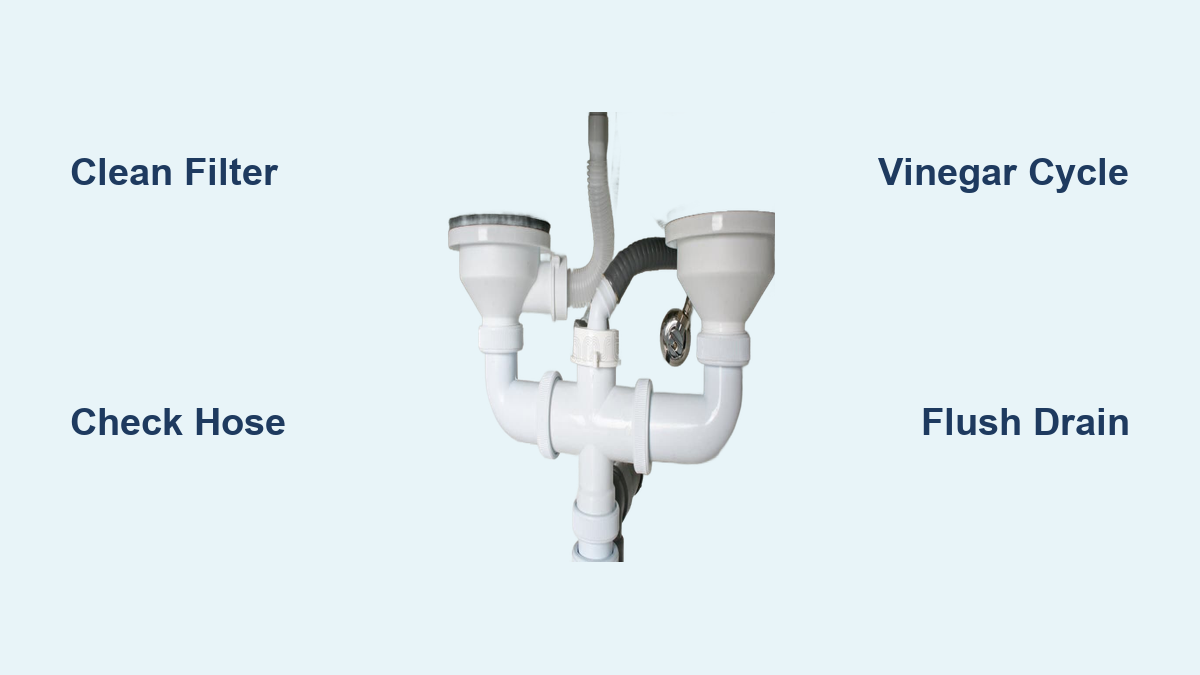
Pull out the dishwasher slightly if needed to access the plumbing under the sink. Locate the drain hose, which usually connects to the garbage disposal or a sink drain elbow. Ensure the hose is clamped securely at both ends. Use a screwdriver to tighten any loose clamps.
Look for kinks or crushing in the hose. Even a small bend can restrict water flow. Straighten it carefully without damaging the connection.
Wipe away grime or moisture around the joint. Mold or slime here indicates infrequent cleaning or slow drainage.
Confirm High Loop Installation
The drain hose must form a high loop, rising up to the underside of the countertop before descending to the disposal. This prevents sink wastewater from siphoning back into the dishwasher.
If the hose runs straight under the cabinet, install a high loop using a mounting bracket. Without it, you risk contaminated water entering clean dishes.
Clear Sink and Disposal Drain
Dishwashers share plumbing with the kitchen sink. A clog in the sink trap or garbage disposal can block the dishwasher’s exit path.
Run Garbage Disposal First
Turn on cold water and run the disposal for 15 to 20 seconds to clear any debris. Add ice cubes and rock salt occasionally to sharpen blades and scrub buildup.
If the disposal smells, grind lemon peels or vinegar-soaked baking soda to freshen it.
Flush Sink Drain Monthly
Pour one-half cup baking soda followed by one cup white vinegar down the sink. Cover the drain to contain the fizz, then flush with hot water after 15 minutes.
For stubborn clogs, use a pro-strength drain opener following label instructions. Avoid chemical cleaners if pipes are old or corroded.
Pro Tip: Always run hot water in the sink for 30 seconds before starting the dishwasher. This primes the drain line and ensures hot inlet water for better cleaning.
Remove and Clean Dishwasher Filter

Most drainage issues stem from a blocked filter. It traps large particles but gets clogged over time.
Locate and Remove Filter
Open the dishwasher and look at the bottom near the spray arm. Most filters twist counterclockwise or lift straight out. Consult your manual if unsure.
Some models have dual filters: a coarse upper filter and a fine mesh lower filter. Remove both carefully.
Scrub Thoroughly
Rinse under warm running water. Use an old toothbrush to scrub crevices, especially around the center post and edges. Focus on greasy spots and stuck-on food.
Inspect for cracks or warping. Replace if damaged. Filters are model-specific and available online for $15 to $30.
Frequency: Clean every 1 to 2 months. More often if you wash greasy pots or skip pre-rinsing.
Reinstall Correctly
Align tabs or notches before twisting or snapping back into place. A misaligned filter won’t seal properly, allowing debris into the pump.
Never operate the dishwasher without the filter. It can damage the pump and void the warranty.
Treat Drain With Vinegar and Baking Soda
This natural combo breaks down grease, neutralizes odors, and clears minor clogs.
Apply Foaming Cleaner
With the filter removed, pour one cup white vinegar into the drain basket at the bottom.
Sprinkle one cup baking soda directly over it. Expect immediate fizzing. This reaction helps dislodge buildup.
Let sit for 20 to 30 minutes. Do not run the dishwasher yet.
Flush With Hot Water
After the wait, slowly pour 2 to 3 cups of boiling water into the basket to flush the reaction deep into the drain line.
Alternatively, close the door and run a short rinse cycle to circulate the mixture through the entire system.
Warning: Never mix vinegar with bleach. It creates toxic chlorine gas.
Run Hot Water Cleaning Cycle
/clean-dishwasher-with-vinegar-6834347-hero-c5e579575da942d8b700b5eeef57c345.jpg)
Heat dissolves grease and sanitizes internal components.
Use Vinegar in Bowl Method
Place a microwave-safe bowl filled halfway with white vinegar on the top rack, facing up.
Run a full cycle on the hottest setting, ideally with sanitize or extra heat enabled. Steam will coat interior surfaces and clean the drain hose and pump.
Repeat monthly for maintenance.
Alternative: Commercial Cleaner
Products like Affresh, Glisten, or Finish Dishwasher Cleaner are formulated for full-system cleaning. Drop one tablet in the empty tub and run a normal cycle.
They remove lime scale, mineral deposits, and biofilm more aggressively than vinegar.
Bleach Option
If odors persist and your dishwasher has a plastic or porcelain tub, place one cup of bleach in a dishwasher-safe container on the top rack.
Run a full cycle, then follow with a rinse-only cycle to remove residue.
Do NOT use bleach in stainless steel tubs. It can cause pitting and corrosion.
Flush the Drain System
After cleaning, flush out loosened debris.
Run Rinse-Only Cycle
Start a rinse cycle with no detergent or additives. This clears leftover particles and cleaning agents.
Listen at the end. A strong gurgling sound means water is exiting freely. A weak trickle suggests a partial blockage remains.
Test Drainage
Remove the lower rack and pour a quart of water directly into the sump, which is the bottom of the tub. It should drain completely within 30 seconds.
If not, recheck the filter, hose, and disposal.
Clean Drain Hose Without Removal
You don’t always need to disconnect the hose to clean it.
Circulate Vinegar
Run a hot cycle with a bowl of vinegar on the top rack. The heated solution flows through the entire system, including the drain hose.
Repeat monthly to prevent buildup.
Use Baking Soda Flush
Repeat the vinegar and baking soda treatment inside the dishwasher. The foaming action pushes debris toward the disposal.
Follow with hot water to clear the line.
Inspect Transparent Hoses
If your drain hose is clear, shine a flashlight along its length. Look for dark slime or blockages.
If visible, perform multiple cleaning cycles. If buildup persists, remove the hose.
Replace Clogged Drain Hose
A damaged or permanently clogged hose needs replacement.
Remove Dishwasher Safely
Turn off power at the circuit breaker. Shut off water supply under the sink. Disconnect water inlet line and drain hose. Unscrew mounting brackets under the countertop. Pull the unit forward slowly.
Safety First: Have a towel and bucket ready. Water may spill from the lines.
Disconnect and Flush Hose
Use a screwdriver to loosen clamps at both ends. Slide the hose off the pump outlet and disposal.
Flush with hot water. Use a bottle brush or pipe cleaner to scrub the interior.
Soak in vinegar for 30 minutes if moldy.
Install New Hose
Replace if cracked, brittle, or stained. New hoses cost $18 to $40 and include clamps.
Attach one end to the dishwasher pump, the other to the disposal. Reconnect securely with clamps.
Reinstall the dishwasher, restore power and water, then test.
Eliminate Dishwasher Odors
Smells mean trapped food or stagnant water, not sewer gas if plumbing is correct.
Identify Smell Sources
Rotten egg smell comes from anaerobic bacteria in standing water. Moldy odor indicates mildew in hose, gasket, or filter. Food smell means forgotten scraps or dirty filter.
Clean the filter, run a vinegar cycle, and leave the door open after use.
Break the Smell Cycle
Remove filter and clean. Pour one-half cup baking soda into the drain. Run a hot cycle with vinegar in a top-rack bowl. Leave door ajar for 12 hours to dry.
Repeat weekly if used infrequently.
Prevent Future Drain Problems
Avoid clogs with smart habits.
Pre-Rinse Dishes
Scrape large food chunks into the trash, not the sink. Pre-rinsing reduces strain on the filter.
Myth: Modern dishwashers don’t need pre-rinsing. Truth: Heavy debris still clogs filters over time.
Do Not Overload
Leave space between items. Blocking the spray arm prevents proper cleaning and drainage.
Use Right Detergent Amount
Too much detergent leaves residue that binds with food and hardens in the drain.
Follow package instructions. Use rinse aid to reduce spotting and improve drying.
Run Regular Cycles
Even with few dishes, run the dishwasher every 7 to 10 days. This prevents stagnation and keeps seals lubricated.
Use eco or quick wash mode to save water and energy.
Monthly Maintenance Routine
Stay ahead of clogs with a simple checklist.
Clean Filter and Spray Arms
Remove and rinse both spray arms. Poke holes with a toothpick if clogged.
Wipe the hub where they attach. Grease collects there.
Wipe Door Gasket
Use a damp cloth to clean the rubber seal. Mold loves this moist area.
Check for tears. A damaged gasket lets in air and leaks water.
Run Cleaning Cycle
Alternate between vinegar and commercial cleaner monthly.
Week 1: Vinegar hot cycle. Week 2: Affresh tablet cycle every 2 months.
Inspect Drain Area
Look under the filter for visible debris. Use tweezers to remove bones, toothpicks, or pits.
Troubleshoot Common Drain Issues
Dishwasher Will Not Drain
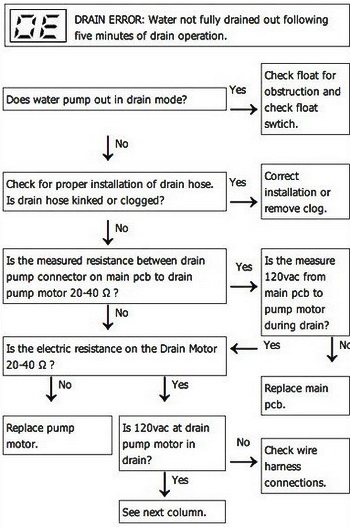
Causes include clogged filter, blocked drain hose, faulty drain pump, or kinked hose.
Fix by cleaning filter, checking hose for kinks, and listening during drain cycle. No humming may mean pump failure. Call technician if motor does not engage.
Slow Drainage
Likely cause is partial clog in hose or disposal.
Solution involves running disposal, flushing with baking soda and vinegar, and running dishwasher hot cycle.
Water Pools at Bottom
A small amount, 1 to 2 tablespoons, is normal. More than that means clogged filter, blocked drain, or failed pump.
Check filter first. This solves 80% of cases.
Gurgling Noise During Drain
Air trapped in the line or improper hose installation causes this.
Ensure the drain hose has a high loop and connects above the P-trap. A direct connection below the trap causes gurgling and backflow risk.
When to Call a Pro
DIY fixes work for most issues. But call a technician if the pump makes no sound during drain cycle, water backs up into the sink when dishwasher runs, there are electrical issues like tripped breaker or burning smell, or you’re uncomfortable pulling out or reconnecting the unit.
Note: Pump replacement costs $150 to $400. Often, cleaning solves the issue. Try all steps first.
Recommended Tools and Products
Cleaning Supplies
White vinegar costs about $3 per bottle and works as a natural descaler. Baking soda costs about $2 and neutralizes odors. Affresh tablets cost $8 for a 3-pack for deep cleaning. Liquid-Plumr Clog Destroyer costs about $5 for tough sink clogs. Bottle brush costs $4 for hose cleaning.
Tools
You will need an old toothbrush, Phillips screwdriver, bucket, protective gloves, and flashlight.
Pro Tip: Keep a cleaning kit under the sink for monthly maintenance.
Special Case: Infrequent Use
Single-person households face odor and clog risks due to stagnant water.
Fix: Schedule Weekly Runs
Even with no dishes, run a quick wash with detergent or vinegar.
Add one cup vinegar to the tub and run hot cycle once a week. This keeps the system flushed and bacteria-free.
User Insight: Running the dishwasher weekly uses less water and energy than hand-washing multiple times.
Frequently Asked Questions About Cleaning Dishwasher Drain
How Often Should I Clean My Dishwasher Drain?
Clean the filter every 1 to 2 months. Run a vinegar cleaning cycle monthly. Inspect the drain hose and connections quarterly.
Can I Use Bleach to Clean My Dishwasher Drain?
You can use bleach only if your dishwasher has a plastic or porcelain tub. Never use bleach in stainless steel tubs because it causes pitting and corrosion. Always run a rinse cycle after using bleach.
Why Does My Dishwasher Smell Even After Cleaning?
Odors persist if the filter is still dirty, the drain hose has buildup, or the dishwasher is used infrequently. Leave the door ajar after cycles, run weekly even with minimal use, and clean the filter thoroughly.
What Causes Slow Drainage in Dishwashers?
Slow drainage usually results from a clogged filter, partial blockage in the drain hose, or debris in the garbage disposal. Clean the filter first, as this resolves most cases.
Do I Need to Pull Out My Dishwasher to Clean the Drain Hose?
Not always. You can flush the hose with vinegar or baking soda by running hot cycles. However, if the hose is severely clogged or damaged, removal is necessary for proper cleaning or replacement.
Key Takeaways for Cleaning Your Dishwasher Drain
A clean dishwasher drain prevents odors, improves performance, and extends appliance life. By inspecting the hose, cleaning the filter monthly, using vinegar treatments, and maintaining usage frequency, you’ll avoid 95% of drainage problems.
Follow these steps every 4 to 6 weeks, and your dishwasher will drain fast, smell fresh, and clean dishes effectively for years to come. Start with the filter inspection, work through the cleaning methods, and establish a regular maintenance routine to keep your appliance in top condition.