How to Clean Oven with Dishwasher Pod
Cleaning your oven doesn’t have to mean harsh fumes, heavy scrubbing, or expensive chemical sprays. A growing number of home cooks are turning to an unexpected household staple: the dishwasher pod or tablet to tackle baked-on grease and stubborn oven grime. This method harnesses powerful degreasers and enzymes to break down carbonized spills with minimal effort, saving you time and reducing exposure to toxic fumes found in commercial oven cleaners.
You’ll learn exactly which product to use, how to apply it safely, and how to avoid common mistakes. Whether you’re dealing with splattered oil, burnt lasagna drips, or a foggy oven door, this guide covers the correct way to clean your oven using dishwasher cleaning products, backed by real user results and safety data.
Choose the Right Dishwasher Product Type
Solid Tablet vs. Liquid Pod: Know the Difference
Not all dishwasher cleaning products work the same for oven cleaning. Confusing a liquid-filled pod with a solid tablet leads to poor results or wasted effort.
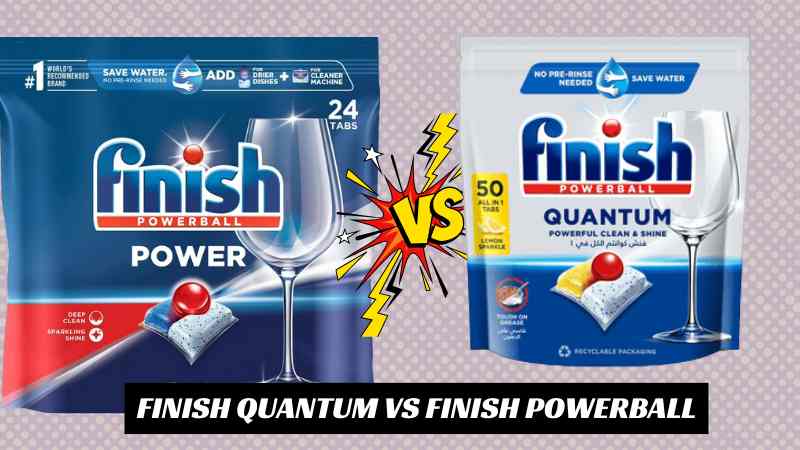
Solid Dishwasher Tablets like Finish Powerball are hard, dense, and slightly abrasive. When dampened, they release concentrated cleaning agents and can be rubbed directly on oven surfaces like a cleaning bar. They work exceptionally well for scrubbing oven doors and localized stains.
Liquid-Filled Dishwasher Pods like Finish Quantum are encased in water-soluble film and dissolve completely in water. They lack scrubbing texture but create a highly effective sprayable degreaser when mixed with hot water.
Best practice: Use tablets for scrubbing, pods for spraying. Do not try to scrub with a dissolved pod.
Recommended Brands and Formulations
| Product | Best For | Key Benefit |
|---|---|---|
| Finish Powerball Tablet | Scrubbing glass, racks | Abrasive, enzyme-rich |
| Finish Quantum Pod | Spray solution | Fast-dissolving, high surfactant load |
| Ecover Dishwasher Tablet | Sensitive users | Chlorine-free, eco-safe |
| Cascade Platinum | Heavy grease | Contains sodium hydroxide and oxygen bleach |
Avoid: Multi-chambered gel pods or fast-dissolving tablets with no scrubbing durability.
Prepare Safely Before Cleaning
Essential Safety Precautions
Dishwasher detergents contain strong alkaline chemicals like sodium hydroxide and sodium carbonate. While effective, they require careful handling to clean your oven with dishwasher pod solutions safely.
Always wear rubber gloves because alkaline residues can irritate or burn skin. Work in a well-ventilated kitchen by opening windows or turning on the exhaust fan. Never mix with vinegar, ammonia, or bleach-based cleaners as this can produce toxic chlorine gas. Keep away from children and pets and store mixed solutions in labeled, sealed bottles.
Critical warning: If your pod or tablet contains chlorine bleach, avoid using it on warm surfaces and rinse thoroughly to prevent fume release.
Tools Youll Need
For both methods you will need one dishwasher tablet or pod, rubber gloves, microfiber cloth or non-scratch sponge, hot water, and a damp towel for wiping.
For pod spray method add a 32 oz spray bottle that is clearly labeled, a mixing bowl, and an old toothbrush for crevices.
For tablet scrub method add aluminum foil for wrapping racks, a bathtub or large container for soaking, and a plastic scraper for pre-cleaning.
Clean Oven Racks with Tablet Soaking Method
Soak Racks in Hot Water and Tablet
Oven racks collect the worst buildup and are hard to scrub by hand. The soaking method makes cleanup effortless while effectively using dishwasher tablets to clean oven surfaces.
Line your bathtub or sink with an old towel to prevent scratches. Wrap racks in aluminum foil to contain mess and prevent splashes. Fill with hot water (not boiling) and add one solid dishwasher tablet. Soak for 2 to 3 hours as grease loosens dramatically during this time. Wipe off residue with a cloth, requiring no scrubbing. Rinse thoroughly and dry completely before reinstalling.
Pro tip: This method is officially recommended by Finish for cleaning oven racks and works better than soaking in baking soda.
Scrub Oven Interior with Solid Tablet
Dampen and Scrub Stained Areas
For spot cleaning or moderate buildup inside your oven, the solid tablet scrub method delivers fast, visible results when you want to clean oven with dishwasher pod alternatives.
Pre-clean loose debris by removing crumbs, ash, or loose food with a plastic scraper or vacuum. This prevents paste formation when wet.
Activate the tablet by putting on rubber gloves and briefly running the tablet under warm water, just enough to activate it without dissolving.
Scrub in circular motions by rubbing the tablet directly on grease spots, carbon stains, or discolored zones. Focus on corners and door edges where grime accumulates. The tablet works as both a chemical degreaser and mild abrasive.
Time note: The tablet lasts 90 seconds to 2 minutes before softening, so work quickly or transfer paste to a sponge.
Wipe and dry by using a damp microfiber cloth to wipe away residue. Leave oven door open to air-dry for several hours.
Apply Pod Spray Solution for Full Interior Cleaning

Make and Apply Degreasing Spray
For full interior cleaning, the pod spray method ensures even coverage with minimal effort when you use dishwasher pods to clean oven surfaces.
Remove oven racks first and set them aside for separate soaking using the tablet method above.
Dissolve one pod by placing it in a bowl with 2 cups (480 ml) of hot water. Stir until fully dissolved, which takes 3 to 5 minutes.
Pour into labeled spray bottle using a clean, dedicated 32 oz spray bottle. Label it clearly as “Caustic Oven Cleaner, Not for Food Use.”
Spray interior generously by applying solution to all surfaces except heating elements. Focus on greasy zones and burnt spills.
Let it dwell for 20 to 30 minutes for light buildup. For heavy stains, extend to 60 minutes but no longer.
Visual cue: Watch for foaming or darkening, which means grease is breaking down successfully.
Wipe clean using a damp microfiber cloth to wipe away grime. Use an old toothbrush for tight corners.
Rinse thoroughly by wiping all surfaces with plain water to remove alkaline residue. This step is critical to prevent smoke or odor during next use.
Dry and burn off by first drying with a clean towel, then running oven at 300°F (150°C) for 10 to 15 minutes. Optional: perform a burn-off cycle at 350°F (175°C) for 15 minutes to eliminate any trace residue.
Clean Oven Door Glass Effectively

Target Grease Film and Streaks
Oven door glass often develops a hazy, greasy film that resists standard cleaners. The tablet scrub method excels here and works better than baking soda paste.
Dampen a solid tablet under warm water. Hold with gloved hand or wrap in paper towel for grip. Scrub glass in circular motions, focusing on edges where grease accumulates most. Wipe clean with a damp microfiber cloth. Repeat for stubborn areas if necessary.
User result: Leaves glass streak-free, shiny, and scratch-free, outperforming baking soda paste and Bar Keepers Friend.
Avoid Common Cleaning Mistakes
What Not to Do When Cleaning with Pods
Even effective methods fail when misapplied. Steer clear of these errors to successfully clean oven with dishwasher pods.
Using pods for scrubbing is a mistake because liquid pods dissolve instantly and have no scrubbing power. Use only solid tablets for direct contact cleaning.
Mixing with vinegar creates toxic chlorine gas if bleach is present in the product. Never mix cleaning agents.
Leaving residue can cause smoke or smell when heated. Always rinse with water after cleaning.
Using on self-cleaning ovens may damage catalytic liners or steam ovens. Check your owner’s manual, as some brands void warranties for non-approved cleaners.
Over-soaking or overnight dwell can dry out residue, making it harder to remove. Stick to 2 to 3 hours for soaking and 60 minutes max for spray dwell.
Maintain Your Oven Long-Term
Clean Regularly and Prevent Buildup
Frequent, light cleaning beats infrequent deep cleans. Set a schedule based on your usage level.
| Usage Level | Cleaning Frequency | Maintenance Tip |
|---|---|---|
| Occasional bakers | Every 3 months | Wipe spills after cooling |
| Regular cooks | Monthly | Use baking soda spritz after heavy use |
| Heavy users | Every 4 to 6 weeks | Combine pod spray with rack soaking |
Pro habit: Wipe oven interior 1 to 2 hours after use (once cooled) to prevent carbonization and make future cleaning easier.
Store Supplies Properly
Keep tablets and pods in a cool, dry place as humidity degrades them. Shelf life extends up to 2 years if sealed. Never store cleaning bottles near food or in food containers.
Troubleshoot Common Issues Fast
Fix Problems After Cleaning
Even careful cleaning can go wrong. Here is how to fix the most common issues.
White residue after cleaning is caused by leftover alkaline film. Wipe again with damp cloth and plain water.
Smoke during first use occurs when residual detergent burns off. Run oven empty at 350°F for 15 to 20 minutes.
Skin irritation happens from direct contact with undiluted solution. Rinse immediately and apply hydrocortisone cream if needed.
Ineffective on heavy buildup means insufficient dwell time or concentration. Reapply or pre-treat with baking soda paste.
Tablet dissolves too fast results from over-wetting or soft formulation. Use quickly or transfer paste to sponge for extended use.
When Not to Use This Method
Know the Limitations
While effective for routine cleaning, this method is not a cure-all for every oven situation.
This method is not for extreme buildup and requires using the self-cleaning (pyrolysis) cycle or professional service instead. Avoid on steam ovens or catalytic liners because may damage specialized surfaces. Do not use frequently as alkaline exposure can degrade oven coatings over time. This is not a replacement for deep cleaning and works best for intermediate maintenance rather than years of accumulated grime.
Key Takeaways for Cleaning Your Oven with Dishwasher Pods
Cleaning your oven with a dishwasher pod or tablet is a smart, accessible, and low-fume alternative to commercial cleaners. By choosing the right product type, applying it safely, and rinsing thoroughly, you can achieve a spotless oven with minimal scrubbing effort. Remember to use solid tablets for direct scrubbing and dissolved pods for spray solutions, always wear gloves, and never mix with vinegar or bleach. Whether you are a renter, eco-conscious cleaner, or just hate scrubbing, this method delivers real results backed by chemistry and verified users.
Frequently Asked Questions About Cleaning Oven with Dishwasher Pod
Can I use any dishwasher pod to clean my oven?
No, you should not use any pod. Liquid-filled pods lack scrubbing power and work best when dissolved into a spray solution. Use solid dishwasher tablets like Finish Powerball for direct scrubbing on oven surfaces.
Is it safe to mix dishwasher pods with vinegar for oven cleaning?
Absolutely not. Mixing alkaline dishwasher detergent with vinegar can produce toxic chlorine gas, especially if the product contains bleach. Never mix cleaning agents.
How long should I let the pod solution sit on oven grease?
Let the solution dwell for 20 to 30 minutes for light buildup. For heavy stains, extend to 60 minutes maximum. Do not exceed this time as residue can dry and become harder to remove.
Will this method work on self-cleaning ovens?
It is safe on enamel interiors but avoid catalytic liners or steam ovens. Always consult your owner’s manual before using non-approved cleaning products to avoid voiding your warranty.
Why does my oven smoke after cleaning with dishwasher pods?
Smoke occurs when residual detergent film burns off during heating. Ensure you rinse all surfaces thoroughly with plain water and run a burn-off cycle at 350°F for 15 minutes before cooking.
How often can I use this cleaning method?
Limit use to once every 1 to 3 months. Frequent use of alkaline products can degrade oven seals and interior coatings over time.