How to Clean Dishwasher Heating Element
Is your dishwasher leaving dishes wet, producing strange odors, or taking longer to dry? The culprit might be a dirty dishwasher heating element. Over time, this critical component—responsible for heating water and drying dishes—can accumulate limescale, food debris, grease, or even melted plastic from misplaced containers. When residue builds up, it insulates the coil, reducing efficiency and potentially causing long-term damage.
A clogged or contaminated heating element won’t heat properly, which means poor cleaning performance and damp dishes after cycles. In extreme cases, melted plastic can adhere to the coil, creating a burning smell every time you run the dishwasher. Fortunately, most buildup can be safely removed with the right approach.
In this guide, you’ll learn how to identify a dirty heating element, clean it effectively using natural methods or specialized techniques for tough residues like melted plastic, and maintain it to prevent future issues—all without damaging your appliance.
Locate the Heating Element
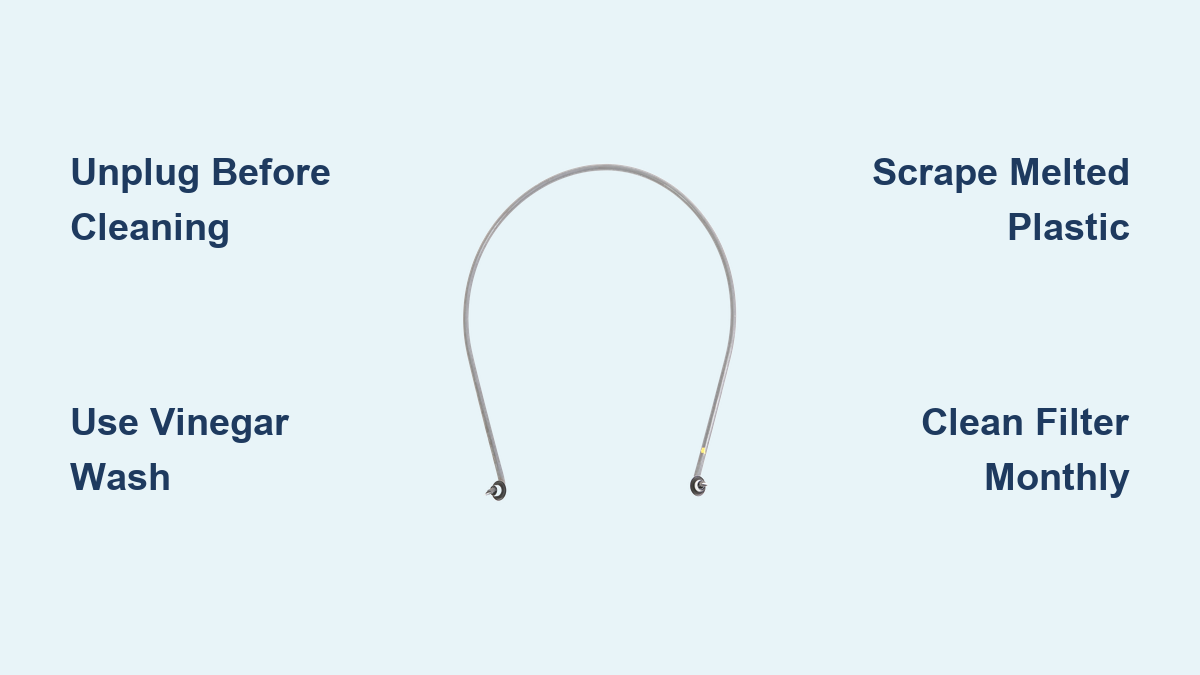
Before cleaning, locate the component correctly. The heating element runs along the bottom of the dishwasher tub and looks like a long, coiled metal rod. It’s usually mounted horizontally across the base, beneath the lower rack.
Visual Inspection Tips
Look for these signs that indicate your heating element needs attention:
- Chalky white deposits are mineral buildups from hard water
- Greasy film or dark residue indicates food and grease accumulation
- Melted plastic requires immediate attention, especially if you’ve noticed persistent burning smells
If you see any of these, cleaning is necessary. Always unplug the dishwasher or turn off the circuit breaker before starting any hands-on work to avoid electrical hazards.
Clean General Buildup With Vinegar

For limescale, soap scum, or light grime, white vinegar is a safe, effective solution.
Run a Vinegar Wash Cycle
Follow these steps to clean your heating element with vinegar:
- Remove the lower rack to allow better access and circulation
- Place a dishwasher-safe cup filled with 1 cup of white vinegar on the top rack
- Run a normal hot-water cycle (not just rinse)
- Let the vinegar circulate through the system
The acetic acid in vinegar dissolves mineral deposits and helps loosen grime on the heating element and interior surfaces.
Pro Tip: Do this monthly for maintenance, especially if you have hard water.
After the cycle, wipe the heating element gently with a damp microfiber cloth. Avoid abrasive pads or steel wool—they can scratch the coil’s surface and shorten its lifespan.
Remove Grease and Odors With Baking Soda
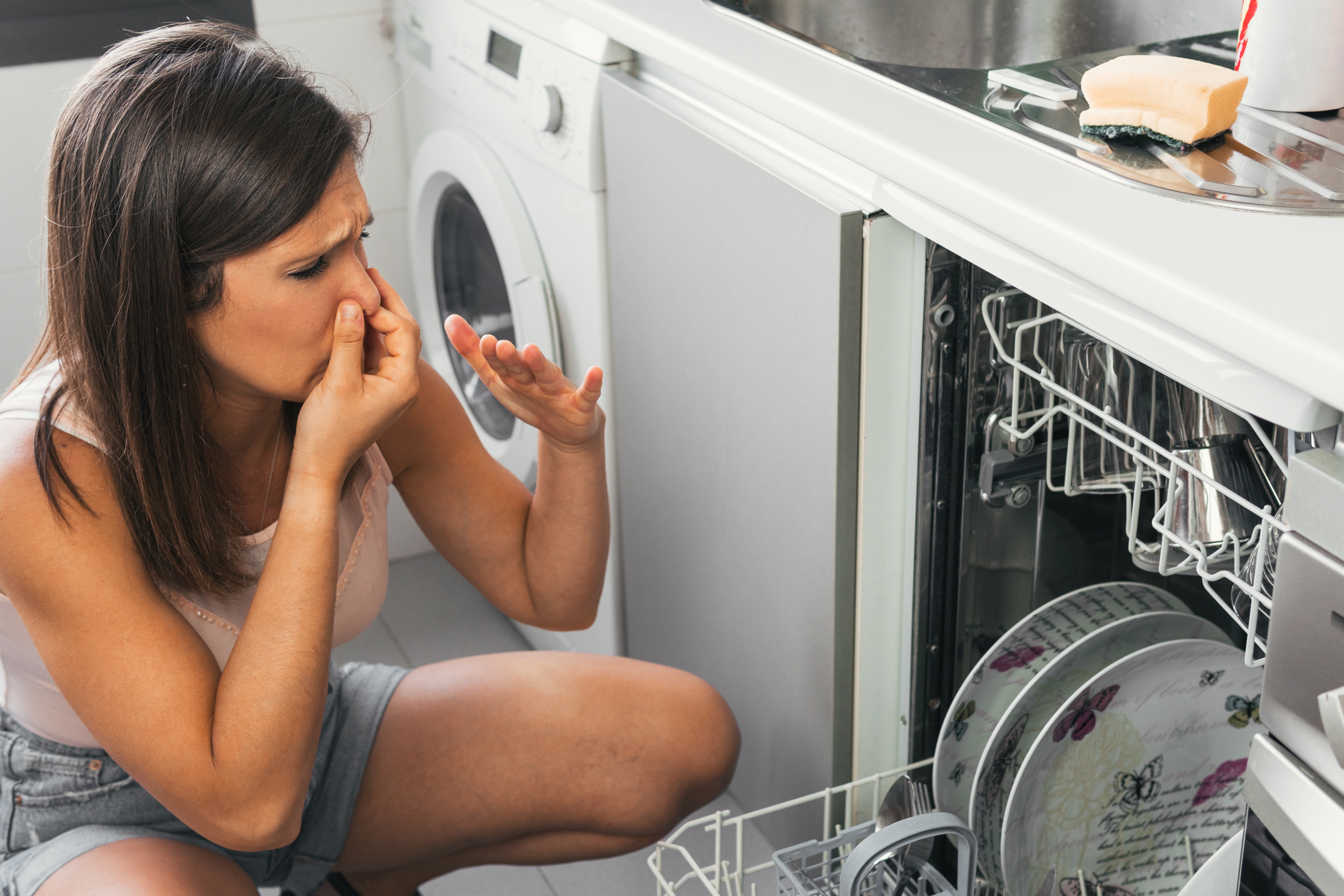
Vinegar tackles minerals, but baking soda neutralizes odors and lifts grease.
Use Baking Soda for Final Clean
- Sprinkle ½ cup of baking soda evenly across the dishwasher floor
- Run a short hot-water cycle (or rinse cycle)
- Wipe down the heating element after the cycle ends
This step leaves the interior fresh and removes any remaining residue loosened by vinegar.
Warning: Never mix vinegar and baking soda in the same cycle—they react and reduce effectiveness.
Remove Melted Plastic Safely
Melted plastic is one of the most challenging problems. It sticks to the coil when non-dishwasher-safe items fall onto it during a cycle. Simply scrubbing won’t work and could damage the element.
Tools Youll Need
Gather these items before starting:
- Butane lighter or small flame source
- Dull plastic or metal scraper
- Heat-resistant gloves
- Flashlight for visibility
Soften Plastic With Heat
- Unplug the dishwasher and ensure it’s completely cool
- Open the door and remove the lower rack
- Shine a flashlight to clearly see the affected area
Hold a lighter flame 1–2 inches away from the plastic-coated section of the coil. Apply heat for 3 to 5 seconds only—just enough to soften the plastic without overheating the metal.
Caution: Never leave the flame in place. Overheating can damage insulation or warp the coil.
Scrape Off Softened Residue
- Immediately after heating, use a dull scraper to gently lift the softened plastic
- Apply light pressure and work slowly along the coil
- Repeat the heat-and-scrape process 2–3 times as needed
Work section by section until the entire coil is clear.
Success Indicator: The plastic lifts cleanly, and no odor remains after testing.
Avoid sharp tools like box cutters—they can nick the element and cause electrical failure.
Alternative Methods for Plastic Removal
While the heat method is most effective, other approaches exist but with limitations.
Try the Freezing Method
Some suggest using ice packs to harden melted plastic so it chips off easily:
- Wrap ice packs around the lower tub near the element
- Wait 15–20 minutes to cool the plastic
- Attempt gentle scraping
Limitation: Often ineffective because plastic bonds tightly to hot metal and doesn’t fully harden from the outside.
Avoid Chemical Solvents
Products like isopropyl alcohol or adhesive removers may dissolve plastic, but they present risks:
- They leave flammable residues
- Can damage rubber seals or wiring nearby
- Risk contaminating the dishwasher interior
Not Recommended: Chemical solvents are unsafe for heating elements.
Replace the Element If Damaged
If the plastic was extensive or scraping caused nicks or exposed wires:
- Stop using the dishwasher
- Order a manufacturer-approved replacement part
- Install it yourself (if experienced) or call a technician
Replacing the heating element takes 30–60 minutes with basic tools and ensures safe, efficient operation.
Prevent Future Buildup
Prevention is easier than repair. Follow these habits to keep your heating element clean.
Check Items Before Loading
Only wash containers labeled dishwasher-safe. Keep plastic lids secured or wash by hand. Avoid placing thin plastic cups or takeout containers in the lower rack.
Perform Monthly Maintenance
- Vinegar wash cycle monthly to remove limescale
- Baking soda cycle every 2 months to eliminate odors and grease
- Visual inspection quarterly to spot early issues
Clean the Filter Regularly
A clogged filter traps food particles that can burn onto the heating element:
- Locate the filter at the back of the tub bottom
- Twist and lift it out
- Rinse under warm water and scrub gently with a soft brush
- Reinstall securely
Cleaning the filter every 2–4 weeks reduces overall debris and improves cleaning performance.
Test After Cleaning
Once cleaning is complete, verify everything works.
Reconnect Power and Run Test Cycle
- Plug the dishwasher back in or restore power
- Run an empty normal cycle with no detergent
- Listen for normal operation sounds
- After the cycle, check for no burning smell, dishes drying properly in future loads, and heating element feels warm (do not touch during operation)
If odors persist or drying performance doesn’t improve, re-inspect the element or consider professional service.
When to Call a Technician
While many issues can be fixed at home, some situations require expert help.
Seek Professional Help If
- The heating element glows unevenly or not at all
- You notice burnt insulation, exposed wires, or bubbling on the coil
- Cleaning attempts failed to remove stubborn residue
- The dishwasher trips the circuit breaker when powered
A licensed technician can diagnose electrical faults and replace components safely.
Final Tips for Long-Term Performance
Keeping your dishwasher heating element clean isn’t just about spotless dishes—it’s about efficiency, safety, and extending the life of your appliance.
- Always unplug before cleaning
- Use non-abrasive tools only
- Stick to natural cleaners like vinegar and baking soda for routine care
- Address melted plastic immediately to prevent recurring odors
- Inspect the interior before every load
By following these steps, you’ll maintain optimal drying performance, prevent costly repairs, and keep your dishwasher running like new for years.
Frequently Asked Questions About Cleaning Dishwasher Heating Elements
How do I know if my dishwasher heating element needs cleaning?
Signs include wet dishes after cycles, strange odors, longer drying times, or visible buildup on the coil. Chalky white deposits indicate limescale, while greasy residue suggests food buildup. Persistent burning smells may mean melted plastic is stuck to the element.
Can I use harsh chemicals to clean the heating element?
No. Harsh chemicals can damage the coil’s protective coating and leave flammable residues. Stick to natural cleaners like white vinegar and baking soda. For melted plastic, use controlled heat with a lighter rather than chemical solvents.
How often should I clean my dishwasher heating element?
Perform a vinegar wash cycle monthly if you have hard water. Use baking soda every two months for odor control. Inspect the heating element quarterly and clean the filter every 2–4 weeks to prevent debris buildup.
Is it safe to use a flame to remove melted plastic from the heating element?
Yes, but with extreme caution. Use a butane lighter held 1–2 inches from the plastic for only 3–5 seconds. Never overheat the coil, and work in a well-ventilated area. This method softens plastic for safe scraping without damaging the element.
What should I do if cleaning doesnt fix the drying problem?
If your dishwasher still leaves dishes wet after thorough cleaning, the heating element may be faulty. Signs include uneven glowing, no heat at all, or circuit breaker trips. In these cases, contact a licensed technician for diagnosis and potential replacement.
Key Takeaways for Maintaining Your Dishwasher Heating Element
A clean heating element means better drying, fewer odors, and longer appliance life. Whether dealing with limescale or melted plastic, the right method makes all the difference.
Regular maintenance is your best defense against buildup. Monthly vinegar cycles prevent mineral deposits, while quarterly inspections catch problems early. Always check that items are dishwasher-safe before loading to avoid melted plastic incidents.
With proper care and the techniques outlined in this guide, you can solve most heating element issues quickly and safely—without replacing parts unnecessarily. A well-maintained dishwasher performs better, lasts longer, and saves you money on repairs.