
How to Clean Dishwasher Racks: Easy Steps
Your dishwasher works hard every day, but the racks inside often get ignored. Over time, these racks collect mold, grime, limescale, and rust, even though they sit in hot water and detergent during every cycle. This buildup can transfer to your dishes, create foul odors, and shorten your dishwasher’s lifespan. Simply running empty cycles will not clean the racks properly. This guide walks you through proven methods using vinegar, baking soda, and specialized cleaners to restore your racks and keep your dishwasher performing at its best.
Signs Racks Need Cleaning
Mold and Musty Smells
If your dishwasher smells damp or milky after a full cycle, mold is likely growing on the rack rails, tines, or corners. Look for greenish-black spots in crevices or under the coating. Moist, tight spaces create the perfect environment for mold to thrive.
White or Gray Film Buildup
A chalky residue on rack surfaces or inside the tub indicates hard water deposits. This film looks unsightly and can transfer to dishes during washing. If your glassware comes out cloudy or utensils feel gritty, mineral-rich water is likely the culprit.
Rust and Flaking Coating
Peeling plastic on rack tines exposes the metal underneath, leading to rust. Once rust appears, it spreads quickly and can stain dishes. Even small red-brown specks mean the protective layer is compromised and scrubbing will not fix it.
Dishes Come Out Dirty
Speckled plates or utensils with residue may not be your detergent’s fault. Loose grime, rust particles, or degraded coating from the racks can redeposit onto clean dishes during the wash cycle.
Cleaning Frequency by Water Type
Hard Water: Clean Every 2–4 Weeks
In hard water areas, mineral buildup happens fast. Without regular attention, gray film and limescale accumulate on racks and tub walls quickly. Clean every two to four weeks to prevent stubborn deposits from forming.
Soft Water: Clean Every 2–3 Months
With softer water, buildup occurs more slowly. However, mold and bacteria still grow due to moisture retention. Even in soft water zones, skipping cleaning for too long risks mildew and hygiene issues.
Pro Tip: Pair rack cleaning with monthly use of a dishwasher-specific cleaner to maintain long-term performance.
Remove and Prepare Racks
Check for Release Mechanisms
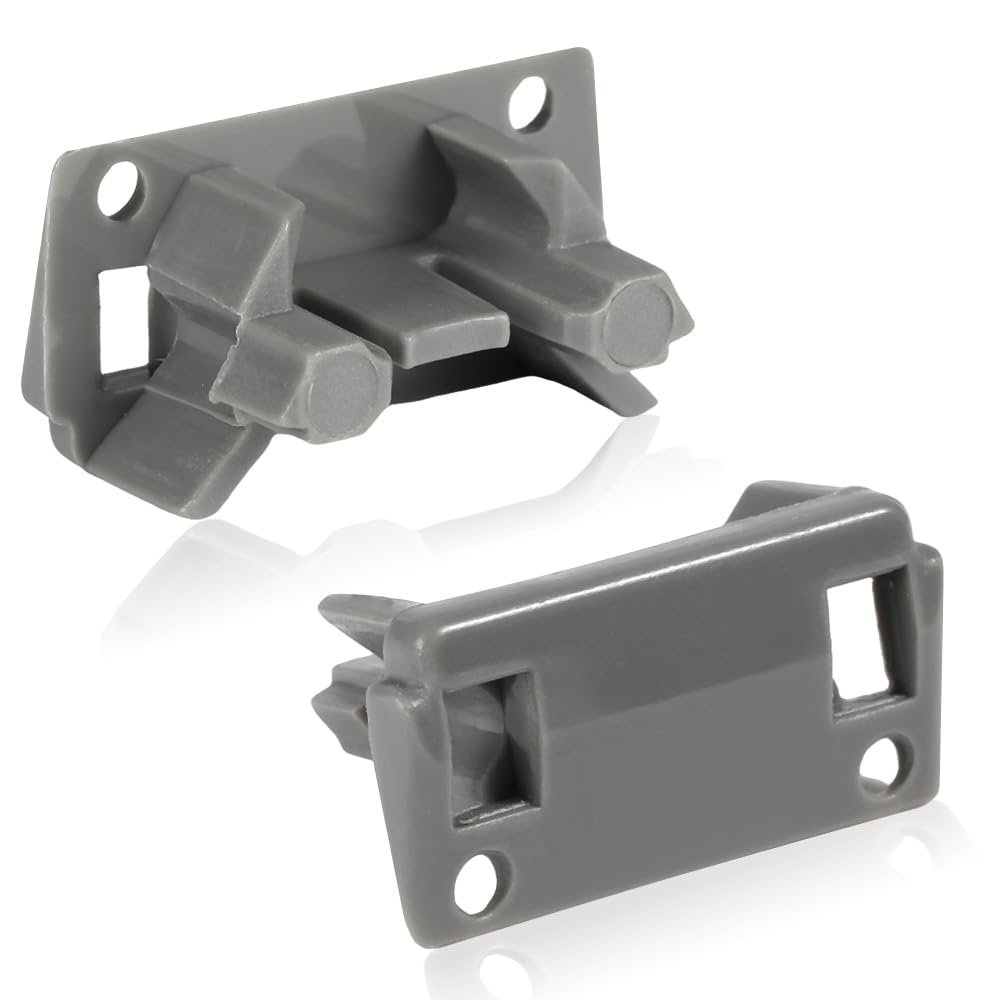
Before pulling out the racks, inspect for release clips, especially on KitchenAid or Frigidaire models. These clips lock the rack in place. Press them down before sliding the rack forward to avoid damage.
Consult Your Manual
Not all racks are designed for frequent removal. Some models have delicate glides or coatings that wear faster if handled roughly. Check your owner manual to confirm safe handling procedures.
Protect Surfaces
Place a towel on the countertop or sink before setting down the racks. This prevents scratches and protects both the rack coating and your countertop.
Deep Clean with Vinegar and Baking Soda
Soak in Vinegar-Water Solution
Fill a sink or basin with equal parts white distilled vinegar and warm water. Submerge the racks or sections of them for thirty minutes. The acid in vinegar dissolves mineral deposits and kills mold on contact.
Visual Cue: You will see dark particles or white flakes begin to loosen after soaking.
Scrub Rails with Cut Scotch-Brite Pads
Standard brushes fail on curved rails because bristles bend instead of scrubbing. Use a non-scratch Scotch-Brite pad instead:
- Cut a strip long enough to wrap around the rail.
- Fold it in half over the rail so half hangs on each side.
- Pull the pad back and forth firmly with downward pressure.
This creates consistent friction to remove mold and film from hard-to-reach curves.
Target Tight Spots and Posts
For narrow gaps or vertical posts, cut a smaller strip of Scotch-Brite. Fold it over the area and use your thumb to press and scrub. For crevices, use an old toothbrush or soft-bristle brush.
Apply Baking Soda-Vinegar Paste
Make a thick paste of baking soda and vinegar and apply it to stubborn areas. Let it sit for five to ten minutes. The fizzing action breaks down organic grime and mineral buildup. Scrub again, then rinse thoroughly.
Warning: Never mix vinegar and bleach. This creates toxic fumes.
Rinse and Dry Thoroughly
Flush All Residue
After scrubbing, rinse the racks under hot running water until no suds, black particles, or white paste remain. Pay special attention to joints and corners where debris hides.
Run Empty Hot Cycle
Reinstall the racks temporarily and run a full hot water cycle with no dishes. This flushes any loosened particles from the tub and drain.
Towel-Dry Completely
Remove the racks after the cycle and dry them with a clean, absorbent towel. Moisture left on rails or in tines encourages mold regrowth.
Expert Tip: Prop the racks upside down on the counter or in the sink to allow air circulation and prevent water pooling.
Use Specialized Cleaners for Tough Buildup

Try Dishwasher Magic by Glisten
When vinegar and scrubbing are not enough, Dishwasher Magic tackles baked-on film and limescale. It works especially well for Frigidaire Gallery and other models prone to stubborn residue.
How It Works
Place the bottle upside down in the lower rack. Start a normal wash cycle. Heat melts the wax seal, releasing the cleaning solution gradually throughout the cycle.
User Result: Many report success where standard brands like Finish failed.
Use Monthly Dishwasher Cleaners
For ongoing maintenance, run a manufacturer-recommended cleaner once a month. These are formulated for your water type and help prevent buildup before it starts.
Best Practice: Choose a cleaner that targets both limescale and biofilm for full protection.
Can You Put Racks in the Dishwasher?
Only If Labeled Safe
Most full-sized racks should not go in the dishwasher. High heat and strong detergents can degrade the plastic coating, leading to rust. However, some removable parts like silverware baskets or plastic trays may be dishwasher-safe.
Check the Manual First
If your user guide states a component is safe for the dishwasher, disassemble the rack. Place safe parts on the top rack. Run a normal cycle. Remove, towel-dry, and reassemble.
Caution: Never assume. Always verify. When in doubt, hand-clean.
Prevent Future Buildup
Combat Hard Water
Install a water softener for the most effective long-term solution. Use rinse aid in every cycle to reduce spotting and film. Run a vinegar cycle monthly by placing a cup of white vinegar on the top rack and running a hot cycle.
Improve Airflow
Leave the door ajar after each use to let moisture escape. Wipe down rack rails weekly with a damp cloth to catch early residue.
Maintain the Filter
A clogged filter reduces cleaning power and increases grime buildup. Clean the bottom filter every one to two weeks with warm, soapy water.
Inspect Monthly
Check for early signs of coating wear, rust, or mold. Catching problems early means easier fixes and longer rack life.
Choose Better Racks When Replacing
Look for Smart Drainage Features
Upgrade to models with drain channels that direct water into the swivel spouts or drip collectors like SimpleHuman designs. Look for rust-resistant coatings and durable construction.
Replace in Pairs
If one rack shows significant damage, replace both upper and lower racks together. This ensures even loading, consistent performance, and avoids mismatched wear.
America’s Test Kitchen Insight: Even the best racks need maintenance, but good design makes cleaning easier and less frequent.
When to Replace, Not Clean
Flaking or Peeling Coating
Once the plastic coating cracks or peels, rust will follow. No cleaner can restore the protective layer.
Visible Rust Spots
Rust spreads quickly and can contaminate dishes with metal particles. Replacement is the only safe option.
Bent or Broken Tines
Damaged tines make loading unstable and can scratch dishware. They also trap food and moisture, creating mold hotspots.
Persistent Odors or Film
If cleaning does not resolve smells or residue, the rack material may be degraded. Continued use risks cross-contamination.
Final Rule: When rust or coating failure occurs, replace the rack. Do not risk your dishes or health.
Tools You Will Need
Essential Cleaning Supplies
Keep these items on hand for regular rack maintenance:
• Scotch-Brite pad (non-scratch) for rails and tight spaces
• White vinegar to dissolve minerals and kill mold
• Baking soda as a mild abrasive and deodorizer
• Soft brush or toothbrush for crevices
• Rubber gloves to protect hands from mold and cleaners
• Absorbent towel for drying
Optional but Effective
• Dishwasher Magic (Glisten) for baked-on film
• Dedicated dishwasher cleaner for monthly maintenance
• Bucket or sink basin for soaking
Avoid: Steel wool, abrasive pads, or bleach. These damage coatings and shorten rack life.
Safety and Care Tips
Never Use Harsh Abrasives
Steel wool or heavy-duty scouring pads strip the protective coating, exposing metal to moisture and rust. Stick to non-scratch pads and soft brushes.
Do Not Use Bleach Unless Approved
Bleach can degrade plastic and rubber components in racks and seals. Only use if explicitly recommended by the manufacturer.
Wear Gloves
Mold and strong cleaners can irritate skin. Always wear rubber gloves when handling dirty racks or chemical solutions.
Reinstall Correctly
Misaligned racks can jam or block spray arms. Follow the manual guidance on reinsertion. Ensure smooth gliding and proper positioning.
Final Checklist: Clean Dishwasher Racks Like a Pro
Use this checklist to ensure thorough cleaning every time:
• Remove racks carefully and check for release clips
• Soak in vinegar-water (1:1) for thirty minutes
• Scrub rails with cut Scotch-Brite pads using back-and-forth motion
• Use folded strips for tight spots and thumb pressure for posts
• Apply baking soda-vinegar paste to stubborn mold or film
• Clean crevices with a toothbrush or soft brush
• Rinse thoroughly under hot water
• Run an empty hot cycle to flush debris
• Dry racks completely with a clean towel
• Inspect for rust or coating damage and replace if needed
• Use Dishwasher Magic for persistent limescale
• Maintain monthly with vinegar cycles and rinse aid
Frequently Asked Questions About Cleaning Dishwasher Racks
How often should I clean my dishwasher racks?
Cleaning frequency depends on your water type. In hard water areas, clean racks every two to four weeks. In soft water areas, every two to three months is sufficient. Inspect racks monthly for early signs of buildup.
Can I use bleach to clean dishwasher racks?
Avoid bleach unless your manufacturer explicitly approves it. Bleach can degrade plastic and rubber components in racks and door seals. Vinegar is a safer alternative for most cleaning needs.
Why do my dishes still look dirty after washing?
Dirty dishes may result from rust particles, degraded coating, or loose grime shedding from the racks. Inspect your racks for rust spots or flaking coating. Cleaning or replacing the racks should resolve this issue.
Is it safe to put dishwasher racks in the dishwasher?
Most full-sized racks should not go in the dishwasher. High heat and strong detergents can damage the protective coating. Only place components explicitly labeled as dishwasher-safe on the top rack.
What is the best way to remove mold from rack rails?
Soak racks in equal parts white vinegar and warm water for thirty minutes. Then scrub the rails using a cut Scotch-Brite pad wrapped around the rail and pulled back and forth with downward pressure. This technique creates the friction needed to dislodge mold from curved surfaces.
When should I replace my dishwasher racks instead of cleaning them?
Replace racks when you see flaking or peeling coating, visible rust spots, bent or broken tines, or persistent odors and film that do not respond to cleaning. Once rust appears, it will continue to spread and contaminate your dishes.
Key Takeaways for Maintaining Clean Dishwasher Racks
Cleaning your dishwasher racks is essential for hygiene, performance, and appliance longevity. The process involves removing the racks, soaking them in vinegar-water, scrubbing with cut Scotch-Brite pads, and thoroughly drying to prevent mold regrowth. For tough buildup, use specialized cleaners like Dishwasher Magic. Clean racks every two to four weeks in hard water areas or every two to three months in soft water areas. Always inspect for rust or coating damage. When these problems appear, replacement is the only safe solution. Make rack maintenance part of your regular home care schedule, and your dishwasher will continue running efficiently for years to come.