Bosch Dishwasher Making Noise: Quick Fix Tips
If your Bosch dishwasher is making noise, you’re not alone. Many homeowners report grinding, buzzing, or knocking sounds during operation. While some noise is normal, sudden or loud disturbances often signal a fixable issue. The good news? Over 78% of noisy dishwasher problems are resolved with basic maintenance like cleaning the filter or clearing the impeller.
This guide breaks down exactly what’s causing the noise, how to identify it by timing and sound type, and step-by-step fixes you can do in under 30 minutes. Whether it’s a hum, rattle, or screech, we’ll help you silence your Bosch dishwasher no technician needed in most cases.
Decode the Noise Type
Identifying the sound is your first step to a quiet dishwasher. Bosch dishwashers make different noises depending on the cycle phase, and matching the sound to the timing helps pinpoint the exact problem.
Beeping at Cycle End
A short beep after the cycle finishes is normal. Bosch dishwashers use this alert to signal completion.
This is not a malfunction. It is intentional and indicates your dishes are ready. You can disable this feature if it disturbs nighttime use by pressing and holding Start and Cancel together for 3 to 5 seconds, though exact steps vary by model.
Only troubleshoot if beeping occurs mid-cycle or repeats rapidly, as this may indicate an error code.
Grinding or Buzzing During Drain
A low grinding or buzzing noise during draining is common, but loud or new grinding is not normal.
The table below helps distinguish between normal operation and problematic noise.
| Normal | Problem |
|---|---|
| 5 to 20 second buzz, deep snoring sound | Constant, screeching, or worsening over time |
| Occurs only during drain phase | Happens at startup or fill phase |
| No cleaning issues | Poor wash results or drainage failure |
Common causes include a blocked drain pump, damaged impeller blades, mineral buildup from hard water, and worn motor bearings. Check the filter first, as it catches debris before it reaches the pump.
Knocking or Rattling Mid-Cycle
A rhythmic knocking or rattling usually means something is in the way of moving parts.
Likely causes include the spray arm hitting dishes or cutlery, overloaded or misloaded racks, loose utensils bouncing around, and warped or damaged spray arms.
To diagnose this issue, pause the cycle and check spray arm movement. Manually rotate the lower spray arm. It should spin freely without resistance. Look for obstructions such as tall pots blocking rotation, cutlery extending below rack level, and nesting spoons or forks in the basket.
Prolonged knocking can damage the motor or spray arm if left unchecked.
Humming After Water Fills
A persistent humming during the wash phase means the circulation pump is stuck. This is not normal.
Unlike a brief startup buzz, a steady hum after water enters indicates the impeller is not turning.
The most common cause is glass or debris jams. Tiny glass fragments from broken wine glasses often slip past filters and lodge in the impeller. The impeller is green and sits under a gray plastic cover near the filter. Glass feels sharp and prevents rotation, and even a small shard can cause loud humming.
Clear the Impeller in 10 Minutes
Fix humming by removing debris from the circulation impeller. This repair takes about 10 minutes and requires basic tools.
Tools Needed
You will need gloves, a teaspoon, a sponge and bowl, and needle-nose pliers or a dental hook.
Step-by-Step Fix
Follow these steps carefully.
- Remove the lower rack and spray arm. Lift off or unscrew the arm.
- Take out the filter assembly. Lift the triple filter straight up.
- Soak up standing water. Use a sponge and bowl to remove sump water.
- Remove the gray sump cover. Insert the teaspoon under the front latch, pry up gently, then pull forward to release the rear lug.
- Inspect the green impeller. Try to spin it by hand. If stuck, feel for glass or hard debris.
- Extract the obstruction. Slide a hook behind the glass and pull slowly. Do not force it. Use pliers if the piece is visible.
- Check under the gray cover. Debris often hides underneath.
- Reassemble in reverse order. Snap the cover back in place, reinsert the filter with arrows aligned, and reattach the spray arm.
Run a quick rinse cycle to confirm the noise is gone. Skipping the gray cover removal is the most common mistake. Many users clean the filter but miss trapped debris underneath.
Plumbing Noise: Hammering or Screeching
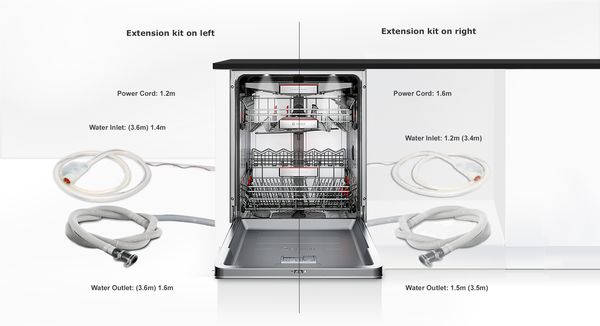
Loud screeching or hammering during fill may not be your dishwasher’s fault. A quick diagnostic test saves time and money.
Quick Diagnostic Test
Mid-noise, turn off the water shut-off valve under the sink. If the noise stops immediately, the problem is plumbing-related, not an appliance issue.
Common plumbing causes include high water pressure above 80 psi, a failing shut-off valve, water hammer, and loose supply lines. One user with an SHX46BO7 model had grinding noise that stopped when the valve was closed. Replacing the valve solved the problem completely.
Test your home’s water pressure with a $10 gauge from a hardware store.
Locate the Noise Source
Pinpointing where the sound comes from speeds up repair and prevents unnecessary parts replacement.
Step-by-Step Diagnosis
Listen during different phases to isolate the source. Startup noises indicate inlet valve or dry pump. Mid-cycle noises point to spray arm or circulation pump. Drain phase noises come from the drain pump or impeller. End cycle noises are typically the beep or residual pump.
Use a screwdriver as a stethoscope. Touch the metal to the dishwasher base and press the handle to your ear. This helps isolate pump or motor noise.
Pause and open the door. If the noise stops, the problem is internal like spray arm or pump. If the noise continues, it is external like plumbing or valve.
Remove the toe kick panel to access the underside. Listen near the right-side sump where the pump is located.
Clean the Triple Filter System
Clogged filters cause pump strain, noise, and poor cleaning results. Regular cleaning prevents most noise issues.
How to Clean
Remove the lower rack and lift out the filter assembly. Twist and lift the micro-filter, then remove the coarse and fine filters.
Rinse everything under warm water using a soft sponge. Avoid abrasives. Clear all food, grease, and fibers.
Wipe the sump area with a damp cloth.
Reinstall the filters with arrows pointing toward the front and lock the tabs securely.
Clean the filter every 1 to 2 months or after heavy use. Scrape large food chunks but do not pre-rinse. Bosch models need food residue to activate sensors properly.
Prevent Noise With Proper Loading
Overloading or incorrect placement causes rattling and knocking. Proper loading prevents most mechanical noise.
Top Rack Tips
Space cups and glasses apart to prevent clinking. Place tall glasses in the bottom rack using glass holders. Put plastics in the top rack only to avoid bottom heat damage.
Bottom Rack Tips
Load plates and bowls vertically, not flat. Lay pans and trays flat with clearance for the spray arm. Hand-wash chopping boards, as they can warp and rattle.
Cutlery Basket Best Practices
Mix forks and spoons to prevent nesting. Place knives with sharp edge down. Use clips or holders for lids and small items.
Never overload. Leave space for spray arm rotation.
When the Drain Pump Is Failing
If cleaning does not help, the drain pump may be failing. Knowing the signs prevents further damage.
Signs of Failure
Watch for loud persistent grinding, failure to drain, error codes like E15, and motor hum with no water movement.
The pump is on the right side of the sump. Pulling the dishwasher out is required for access. Disconnect power and water first. Press the tab and twist counterclockwise to remove.
Motor or pump replacement often needs professional tools and experience.
Monthly Maintenance to Prevent Noise
Avoid future noise with simple upkeep. A few minutes each month extends your dishwasher’s life.
Maintenance Routine
Clean the filter every 1 to 2 months. Inspect the impeller after breaking glassware. Run a cleaning cycle monthly. Check spray arms every few months.
How to Run a Cleaning Cycle
Remove dishes and racks. Place 1 cup of white vinegar in a bowl on the top rack. Run a hot sanitize cycle. Sprinkle baking soda for odor removal in a separate cycle.
Bosch dishwasher cleaner or Affresh tablets work as alternatives.
When to Call a Technician

DIY fixes work in most cases, but some issues need professional attention.
Call Bosch Support If
The noise gets louder or more frequent, dishes are not clean, water leaks under the unit, an error code appears, the pump will not drain, or DIY steps fail.
Prepare for Service
Have your model number ready, found on the door frame. Describe the noise type, timing, and duration. List the troubleshooting steps you have already tried. Share videos if possible.
Schedule service online through Bosch Home.
Final Check: Did You Fix It?
After repairs, verify everything works properly before running a full cycle.
Post-Repair Verification
Reassemble correctly with filter arrows forward, gray cover snapped in, and spray arm secure.
Manually spin spray arms. There should be no resistance.
Run a short rinse cycle.
Listen at key points. The fill phase should have no screeching, wash phase no humming, and drain phase only brief buzz.
Confirm no leaks or error codes appear.
A silent cycle with clean dishes means success.
Key Takeaways for Silencing Your Bosch Dishwasher
Most noise issues are simple and fixable with basic maintenance. Grinding or buzzing during drain usually means the filter needs cleaning or the impeller has debris stuck in it. Knocking and rattling almost always stem from improper loading. A steady hum during wash indicates glass fragments are blocking the impeller under the gray cover. Screeching during fill often points to plumbing issues, not the dishwasher itself.
Clean the filter every 1 to 2 months. Never skip the gray sump cover inspection when troubleshooting persistent noise. Load dishes properly and avoid overloading. Run a monthly vinegar cycle to prevent buildup.
With this guide, you will keep your Bosch dishwasher running quietly for years.
Frequently Asked Questions About Bosch Dishwasher Noise
Why is my Bosch dishwasher making a grinding noise during drain?
Grinding during drain usually indicates a blocked drain pump or debris in the impeller. Clean the filter first, then check under the gray sump cover for obstructions. If the noise persists, the drain pump may be failing and needs replacement.
Can I disable the beep sound on my Bosch dishwasher?
Yes. Press and hold Start and Cancel together for 3 to 5 seconds. The exact method varies by model, so consult your manual for specific instructions. This only silences the end-of-cycle beep, not error alerts.
Is a humming noise normal during the wash cycle?
No. A persistent hum after water fills indicates the circulation pump is running but the impeller cannot turn. This usually means glass fragments or debris are stuck in the impeller. Remove the gray sump cover to extract the obstruction.
How do I know if the noise is from my dishwasher or plumbing?
Turn off the water shut-off valve under the sink while the noise is happening. If the noise stops immediately, the problem is plumbing-related. If it continues, the issue is inside the dishwasher.
How often should I clean my Bosch dishwasher filter?
Clean the filter every 1 to 2 months or after heavy use. Regular cleaning prevents 80% of pump-related noise issues and keeps your dishwasher running efficiently.
When should I call a professional for dishwasher noise?
Call a technician if the noise gets louder or more frequent, dishes stop cleaning properly, water leaks appear, error codes display, or DIY troubleshooting fails to resolve the issue.