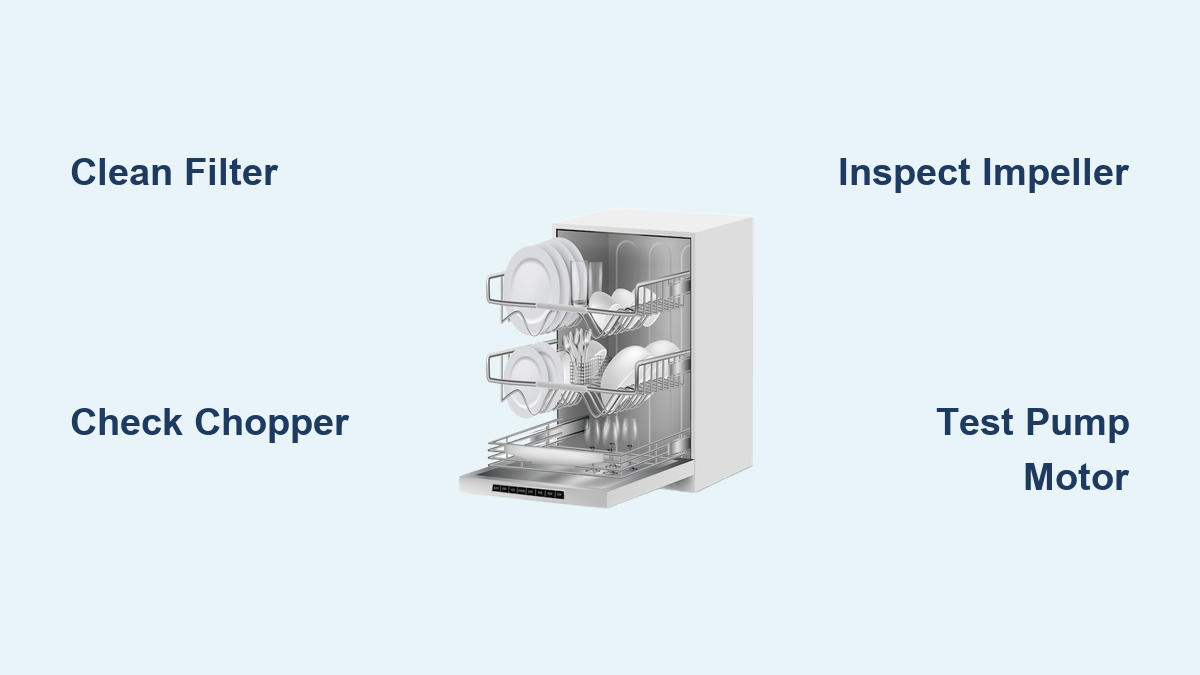
Dishwasher Grinding Noise Solved
If your dishwasher is making a grinding noise, you are not alone. This is one of the most common appliance issues homeowners face. A loud metallic grinding sound usually means something is interfering with a moving part: debris is stuck, a component is damaged, or a motor is failing. The good news is that many causes are easy to fix with basic tools and a few minutes of inspection. Ignoring the noise, however, can lead to pump damage, motor failure, or costly repairs down the line. In this guide, you will learn exactly what is causing the grinding, how to diagnose it by timing and location, and step-by-step fixes from simple filter cleaning to knowing when to call a professional.
Check for Loose Debris First
Before diving into complex repairs, rule out the simplest cause: foreign objects. Food scraps, broken glass, twist ties, or small utensils often fall into the sump and grind against spinning parts during operation.
Inspect the Tub and Filter
Stop the cycle and unplug the dishwasher. Safety always comes first.
Remove both racks and check for misplaced silverware, bones, or dish fragments.
Locate the filter at the bottom. It is usually under the lower spray arm. Twist or lift it out per your model instructions.
Rinse the filter under running water. Use a soft brush to remove stuck-on debris.
Shine a flashlight into the sump. Look for glass shards, plastic labels, or flatware. Remove any visible items with tweezers, never your fingers.
Pro Tip: One user found a small lid lodged in the drain system. Removal stopped the grinding instantly.
Clear the Chopper or Grinder Assembly

Many modern dishwashers, like Beko Dino and Westinghouse models, have a chopper blade that shreds food. When non-grindable items enter it, the result is loud grinding during the draining phase.
Access and Clean the Chopper
Unplug the unit to prevent electrical hazards.
Remove the lower spray arm. This exposes the chopper cover.
Unscrew the chopper housing. Refer to your manual since some models require a special tool.
Pull out visible debris. Use needle-nose pliers for stubborn objects.
Spin the blade by hand. It should rotate freely. If stuck or damaged, replace the entire assembly.
Model Alert: Beko Dino owners often report loud grinding due to small lids in the chopper. Inspect this area monthly.
Inspect the Impeller for Blockage
The impeller circulates water during the wash cycle. When blocked or broken, it creates grinding or whining noises that can be quite alarming.
Remove and Clean the Impeller
Take out the filter and spray arm. This gives you clear access to the impeller.
Twist off the sump cover. Some models have a locking ring that turns counterclockwise.
Lift out the impeller. Rinse it under water and scrub with a brush.
Check for damage. Look for cracked blades or warping. Replace if worn.
Reassemble and test. Run a short rinse cycle to confirm the noise is gone.
Warning: Broken glass in the impeller can cause permanent damage. Always inspect after any cracked dish.
Diagnose Pump Motor Issues
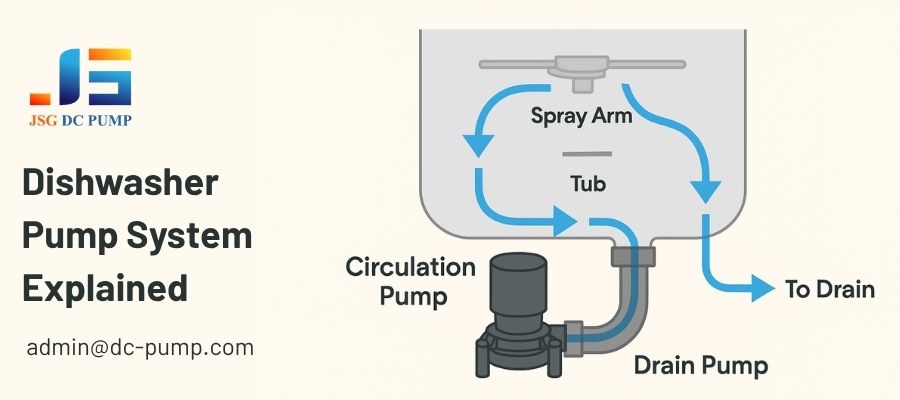
Grinding that gets louder over time often points to a failing pump motor. The noise typically comes from under the unit and worsens during wash or drain cycles.
Is It the Wash or Drain Pump?
Wash pump grinding produces noise during the spraying phase. Check the impeller and circulation path.
Drain pump grinding occurs during draining. Inspect the chopper, drain hose, and impeller for obstructions.
Test the Motor
Listen closely during startup. A healthy motor hums smoothly. Grinding or rumbling means trouble.
Check for overheating. Feel the outer panel. Excessive heat indicates the motor is under strain.
Look for leaks or a burning smell. These signal motor failure. Stop using the appliance immediately.
Expert Note: Replacing the motor requires disconnecting wiring and removing the lower panel. If you are not confident, call a technician.
Replace Worn Pump Bearings
Even with no debris present, a high-pitched whine or grinding can mean worn bearings inside the pump assembly.
Symptoms of Bad Bearings
The noise persists after cleaning the filter and impeller.
Grinding increases as the pump speeds up.
Vibration is felt in the floor near the dishwasher.
Fix Options
Replace bearings only if your model supports this. Some manufacturers sell them separately.
Replace the entire pump assembly. This is the most common solution and ensures reliable operation.
Tip: Some manufacturers do not sell bearings separately. Check your model number before ordering parts.
Ensure Spray Arms Spin Freely
A blocked spray arm causes a repeating scrape or grinding-like noise as it tries to rotate against resistance.
Check Spray Arm Clearance
Manually spin both arms. They should turn smoothly without hitting dishes.
Reload dishes properly. Avoid placing pots or pans in front of spray arms.
Use adjustable tines. Fold down prongs to create clearance for spray arm rotation.
Clean spray arm holes. Use a toothpick to clear clogs. Restricted flow strains the pump.
Prevention: Never overload the lower rack. This is the number one cause of spray arm blockage.
Clear Drain Pump and Hose Blockages
If grinding happens only during draining, the drain pump or hose is likely clogged with debris.
Steps to Clear the Drain
Turn off power and water. Safety is critical near electrical and plumbing parts.
Access the sump area. Remove the kick plate if needed.
Disconnect the drain hose. Check for kinks or food clumps.
Flush the hose with hot water. Or use a plumber is snake for stubborn clogs.
Inspect the drain pump impeller. Rotate it by hand. It should move freely.
Pro Tip: Run your garbage disposal before starting the dishwasher to prevent shared drain clogs.
Inspect the Water Inlet Valve
A buzzing or grinding noise early in the cycle, during water fill, often points to the inlet valve rather than the pump.
Diagnose Valve Issues
Listen near the kick panel. The valve is usually behind the front lower access panel.
Check for vibration. A faulty solenoid can rattle or grind against its housing.
Turn off water supply. Disconnect the valve and inspect for sediment.
Clean or replace the valve. Use manufacturer-approved parts only.
Note: This noise is higher-pitched than pump grinding. Do not confuse the two when diagnosing.
Check the Cycle Timer on Older Models
If your dishwasher has a mechanical timer, worn gears can cause grinding during cycle transitions.
Identify Timer Noise
The grinding is intermittent and happens at specific cycle stages.
You hear ratcheting or clicking when advancing through phases.
The noise comes from the door panel area.
Replace the Timer Assembly
Remove the door is front panel. This exposes the timer motor.
Disconnect wiring. Take photos before removing wires to ensure correct reassembly.
Install the new timer. Match the model number exactly for compatibility.
Upgrade Option: Some models allow conversion to electronic control. This is quieter and more reliable.
Clear the Drain Line
A clogged drain line forces the pump to work harder, which amplifies mechanical noise and can mask the true problem.
Fix a Slow Drain
Run the garbage disposal first. This clears shared plumbing.
Flush the sink drain. Use hot water and degreaser weekly.
Check the air gap. If your dishwasher has one, remove and clean debris from it.
Snake the drain line. Use a small plumber is snake for deep clogs.
Prevention: Avoid pouring grease down the sink. It solidifies and blocks lines over time.
When to Call a Professional Technician
Stop DIY repairs and call a pro if grinding continues after cleaning the filter and sump.
Call immediately if standing water remains after cycles.
Stop use if you hear metal-on-metal noise or smell burning.
Call if the dishwasher leaks or will not start at all.
Call if you are unsure about electrical or pump disassembly. Safety is paramount.
Recommended Service: Beacon Services and Appliances in Citrus County, Florida specializes in dishwasher diagnostics. They use noise timing to pinpoint issues. Call (352) 726-7530 or visit BeaconSaves.com.
Prevent Future Grinding Noises
Avoid repeat issues with these simple habits that take only minutes.
Scrape Dishes Before Loading
Remove large food chunks. Do not rely on the dishwasher to handle leftovers.
Remove Labels and Packaging
Stickers and plastic wraps clog filters and choppers. Check all items before loading.
Clean the Filter Monthly
Or weekly if you run heavy loads. A clean filter prevents eighty percent of grinding issues.
Inspect Broken Dishes Immediately
Glass fragments damage impellers and pumps. Remove them as soon as you discover a broken dish.
Load Dishes Properly
Follow your manual is layout guide. Keep tall items away from spray arms.
Avoid Loose Utensils
Place silverware in the designated basket. Spoons and forks can fall into the sump and cause damage.
Know Normal Versus Dangerous Noises
Not all dishwasher sounds indicate a problem. Normal noises include clicking from the timer advancing, swishing from water spraying, and a low hum from the pump running.
Danger signs include a sudden change in sound, metal-on-metal grinding, or increasing volume over time. If the noise is new or harsh, investigate immediately.
Frequently Asked Questions About Dishwasher Grinding Noise
Why does my dishwasher make a grinding noise during the wash cycle?
This usually indicates a blocked spray arm, obstructed impeller, or debris in the sump. Stop the cycle, remove the racks, and inspect the filter and bottom area for foreign objects.
Can a grinding noise damage my dishwasher?
Yes. Ignoring grinding noises can lead to pump damage, motor failure, or broken components. Early action prevents costly repairs.
How do I know if the grinding is from the drain pump?
If the noise happens only during draining, the drain pump or chopper assembly is likely the culprit. Check for clogs in the drain hose and filter.
Is it safe to use my dishwasher while it is making a grinding noise?
It is not recommended. Turn off the appliance and investigate. Continued use may cause further damage to the motor or pump.
How often should I clean my dishwasher filter?
Clean the filter monthly. Clean it weekly if you run heavy loads or wash many dishes with baked-on food.
When should I call a professional for grinding noise?
Call a technician if cleaning the filter and checking for debris does not resolve the noise, if there is standing water after cycles, or if you suspect motor or pump failure.
Key Takeaways for Fixing Dishwasher Grinding Noise
Most dishwasher grinding noises start with simple debris in the filter or sump. Cleaning these areas regularly prevents eighty percent of grinding issues. Timing matters: grinding during filling points to the inlet valve, during washing points to spray arms or impellers, and during draining points to the chopper or drain pump. Always stop the cycle immediately when you hear grinding and inspect before continuing use. If the noise persists after basic cleaning, or if you hear metal-on-metal sounds or smell burning, call a professional technician. Document when the noise occurs and contact a repair service with those details. With this guide, you are equipped to fix most dishwasher grinding issues or know exactly when to get expert help.